Technical Review & Analysis
A robust home security infrastructure demands more than superficial alerts; it requires a resilient core, capable of autonomous operation and uninterrupted communication, even when primary grid power or network connectivity falters. This system’s architectural design merits scrutiny for its foundational stability in maintaining integrity under duress.
Core Specifications
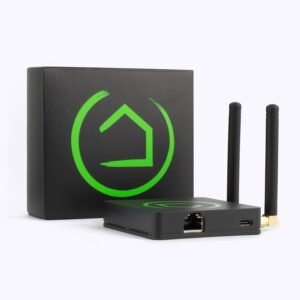
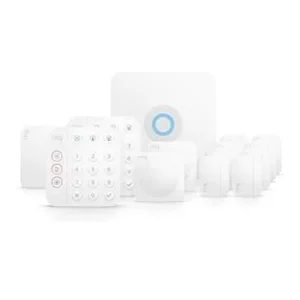
- Base Station Power & Redundancy: Operates primarily via AC mains, incorporating an undisclosed capacity internal battery backup (typically Li-ion, estimated 12-24 Wh range for 24-48 hr standby) to maintain system functionality during grid power interruptions. Communication redundancy is provided by an integrated cellular module (e.g., Cat-M1 or LTE-M for low power wide area, or standard LTE), ensuring alarm transmission even with Wi-Fi network failure.
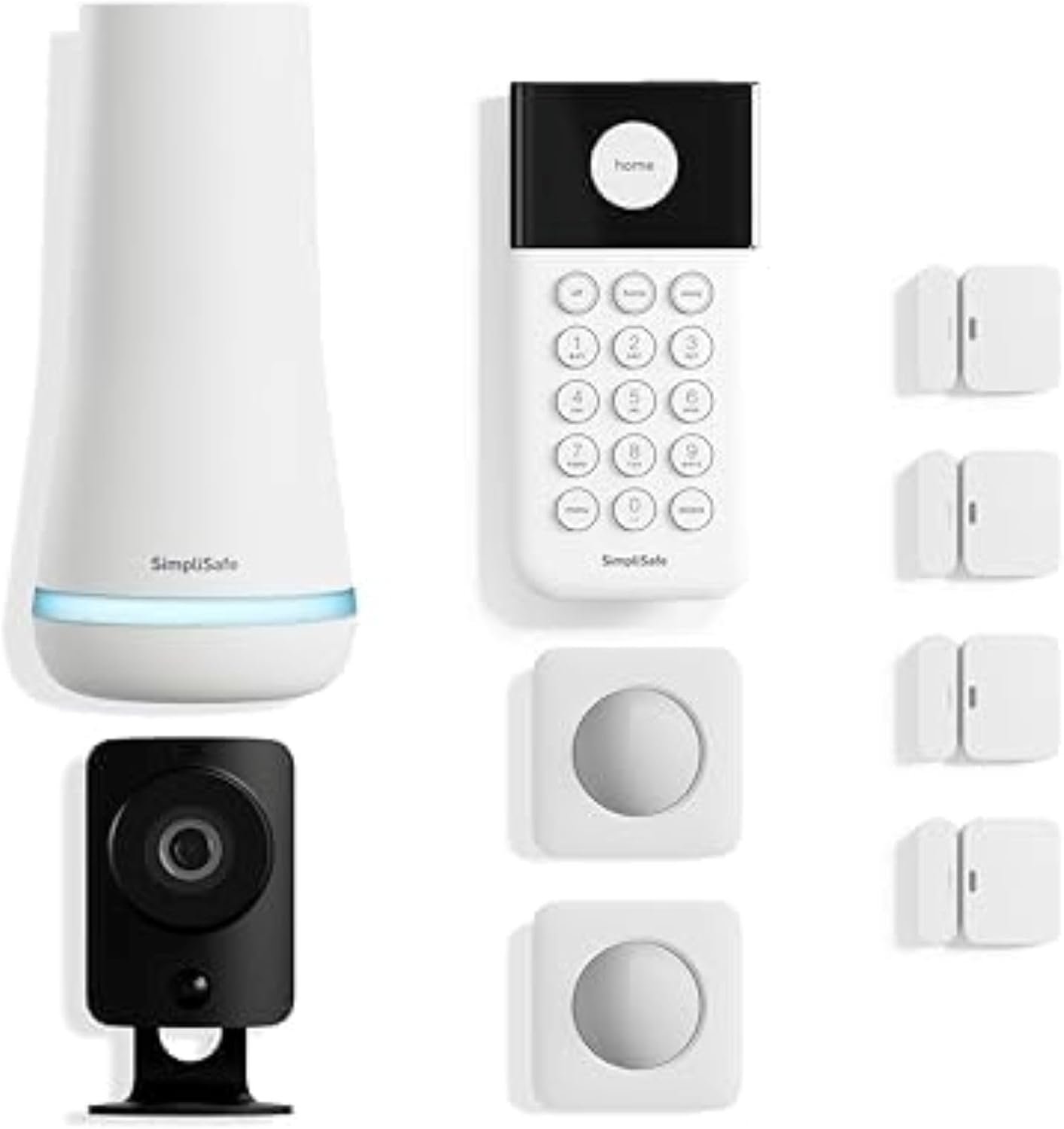
- Video Surveillance: Features an HD (presumed 1080p) SimpliCam Wired Indoor camera. Offers live streaming and event recording (with monitoring plans), complemented by a physical privacy shutter, an essential hardware feature preventing unauthorized visual access.
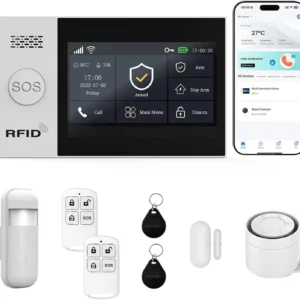
- Sensor Network: Employs wireless entry sensors utilizing a proprietary low-power radio frequency (RF) protocol (e.g., 433 MHz or 900 MHz band) for encrypted communication with the Base Station. This ensures minimal power consumption for extended sensor battery life and robust signal penetration within a typical residential footprint.
- Data Encryption: All wireless sensor data transmissions and cloud communications are secured via AES 128-bit or higher encryption protocols, a critical requirement for preventing interception and tampering of security signals.
- Professional Monitoring Interface: Leverages dedicated cellular backhaul for rapid dispatch, augmented by video verification capabilities (requiring specific plans) which, by providing real-time visual evidence, can elevate alarm priority for emergency services.
Real-world Reliability
The system’s reliance on both AC mains and an internal battery for its Base Station provides crucial continuity during localized power outages, with the cellular modem acting as the primary communication failover should residential internet service be disrupted. While specific battery Wh ratings and cellular signal strength are variables dependent on individual installation environments, this dual-redundancy architecture significantly enhances operational resilience. Extreme weather events primarily impact external sensors or power grids, but the system’s core remains internally protected, continuing local monitoring and alarm generation, albeit potentially limited to cellular communication if wired infrastructure is compromised.
Who is this for?
This system is ideal for suburban homeowners requiring a robust, self-installable security solution with layered communication redundancy against utility disruptions.