Technical Review & Analysis
Transform your living space into a truly intelligent, private, and efficient ecosystem with the Home Assistant Green. Designed for those who value data sovereignty and professional-grade reliability, this official hub is the easiest way to centralize your smart home ecosystem without relying on fickle cloud services. By keeping your automation logic and data local, Home Assistant Green ensures your smart devices remain responsive and secure, providing a seamless experience that works even when the internet goes down.
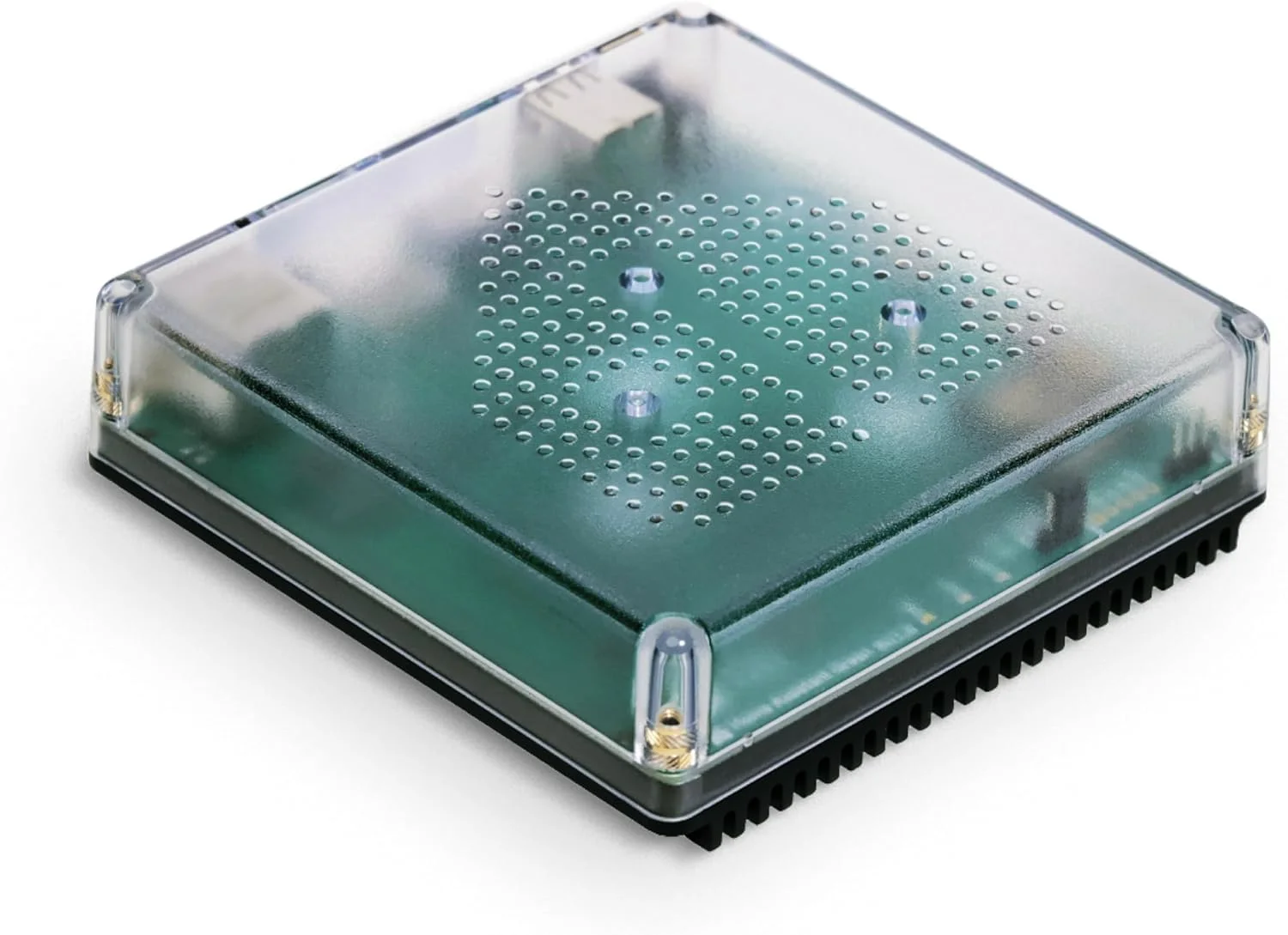
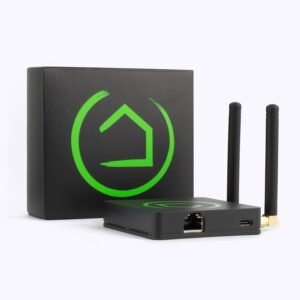
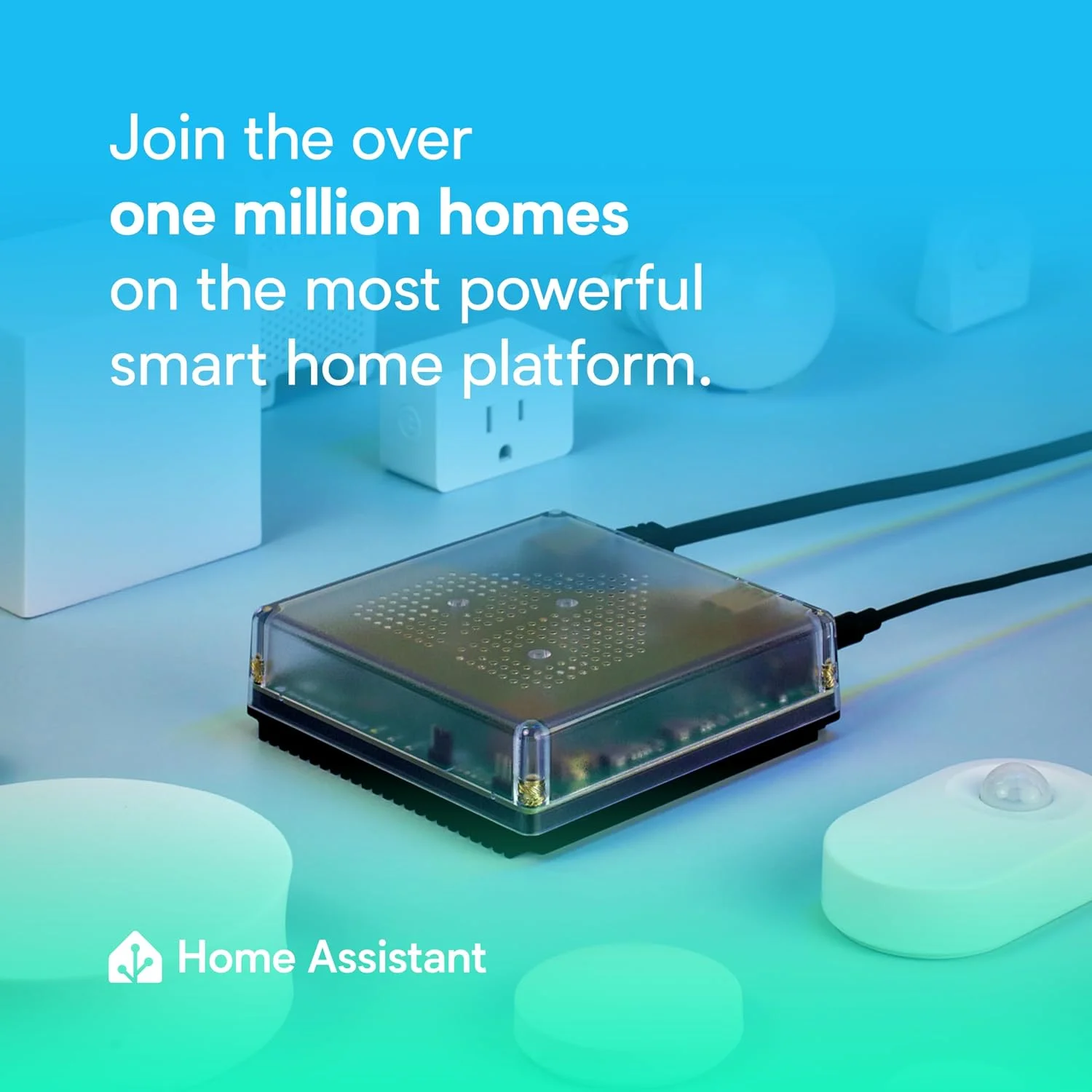
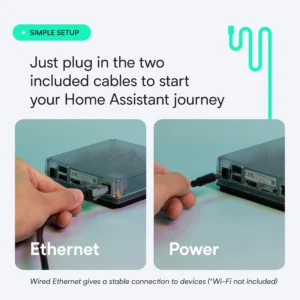
The Home Assistant Green: Plug-and-play simplicity for professional home automation.
Contents
Official Hardware for Unmatched Reliability
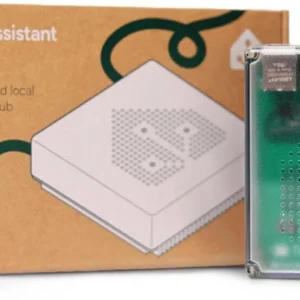
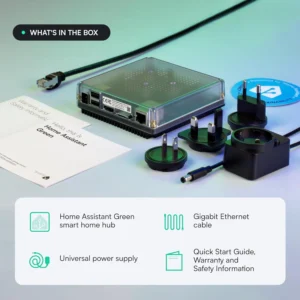
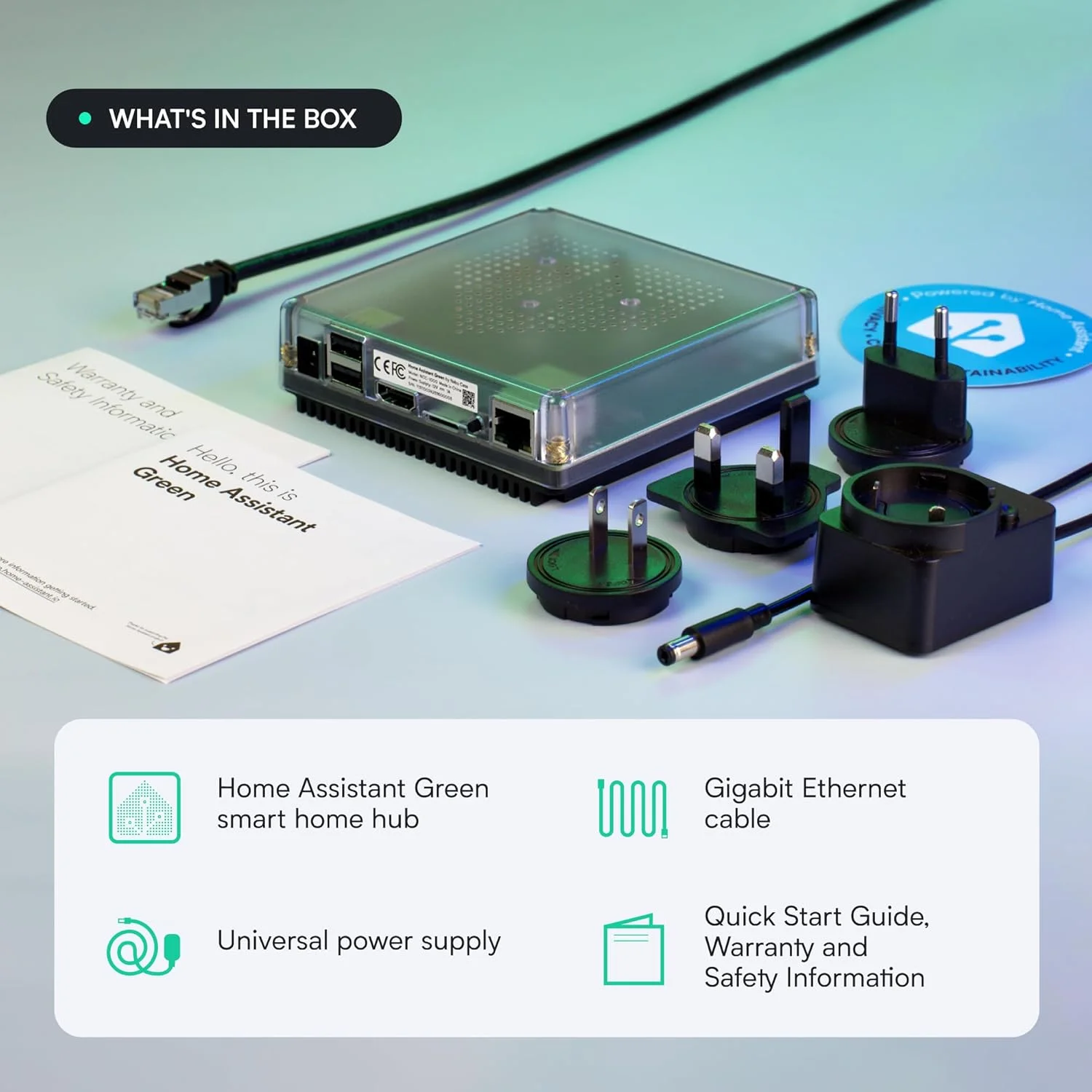
Developed by Nabu Casa, the team behind the Home Assistant project, this hardware is engineered for longevity. Unlike generic DIY setups that can suffer from storage corruption or configuration errors, the Home Assistant Green is a purpose-built, stable platform. It arrives pre-installed with the latest Home Assistant OS, allowing you to get up and running in minutes—simply connect power and Ethernet, and you are ready to command your home.
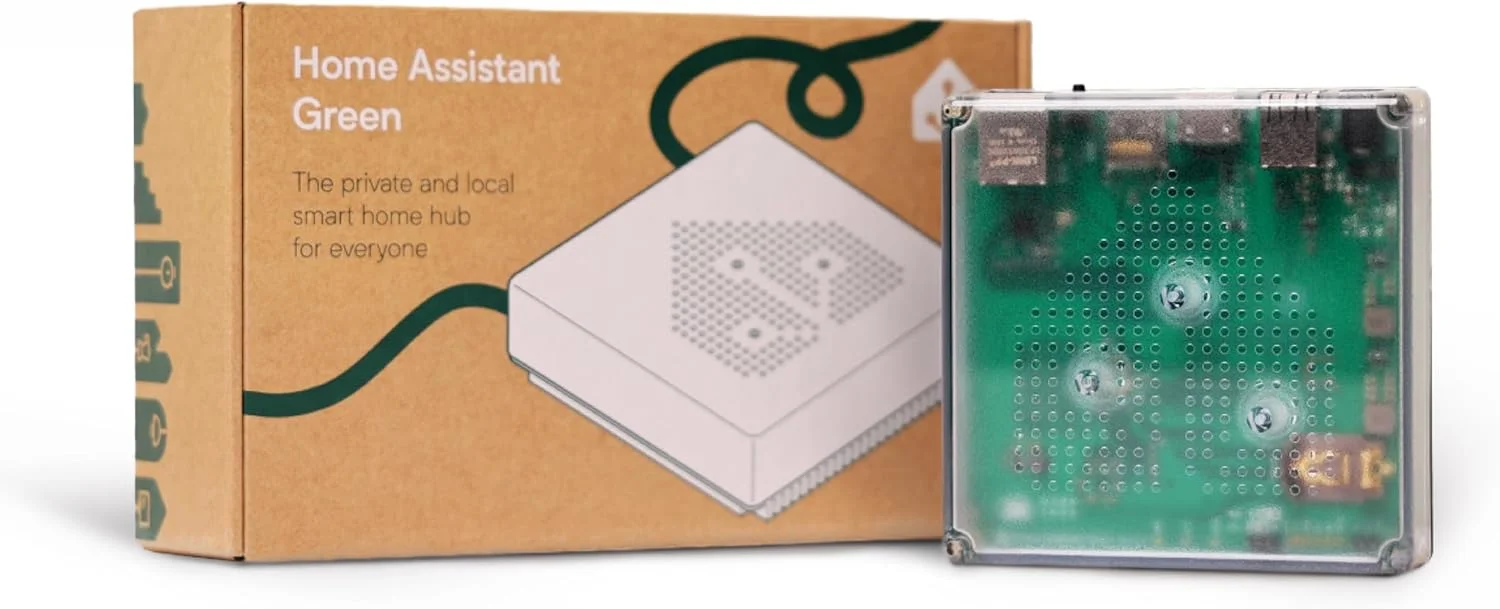
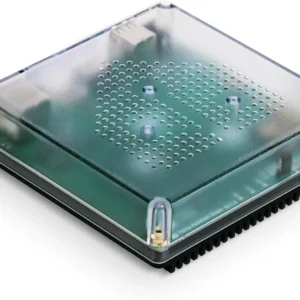
Robust hardware featuring a quad-core processor and optimized thermal design.
High-Performance, Silent Operation
Don’t let the compact, eco-friendly footprint fool you. The Green packs a powerful quad-core processor, 4GB of RAM, and 32GB of eMMC storage, ensuring your automations trigger instantly. Because it is fanless and silent, it fits perfectly on a bookshelf, in a server rack, or tucked away in a media cabinet without adding noise or clutter to your home environment.
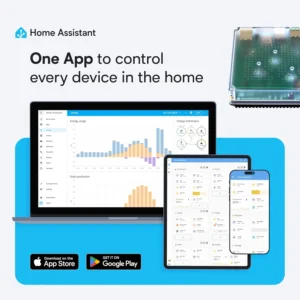
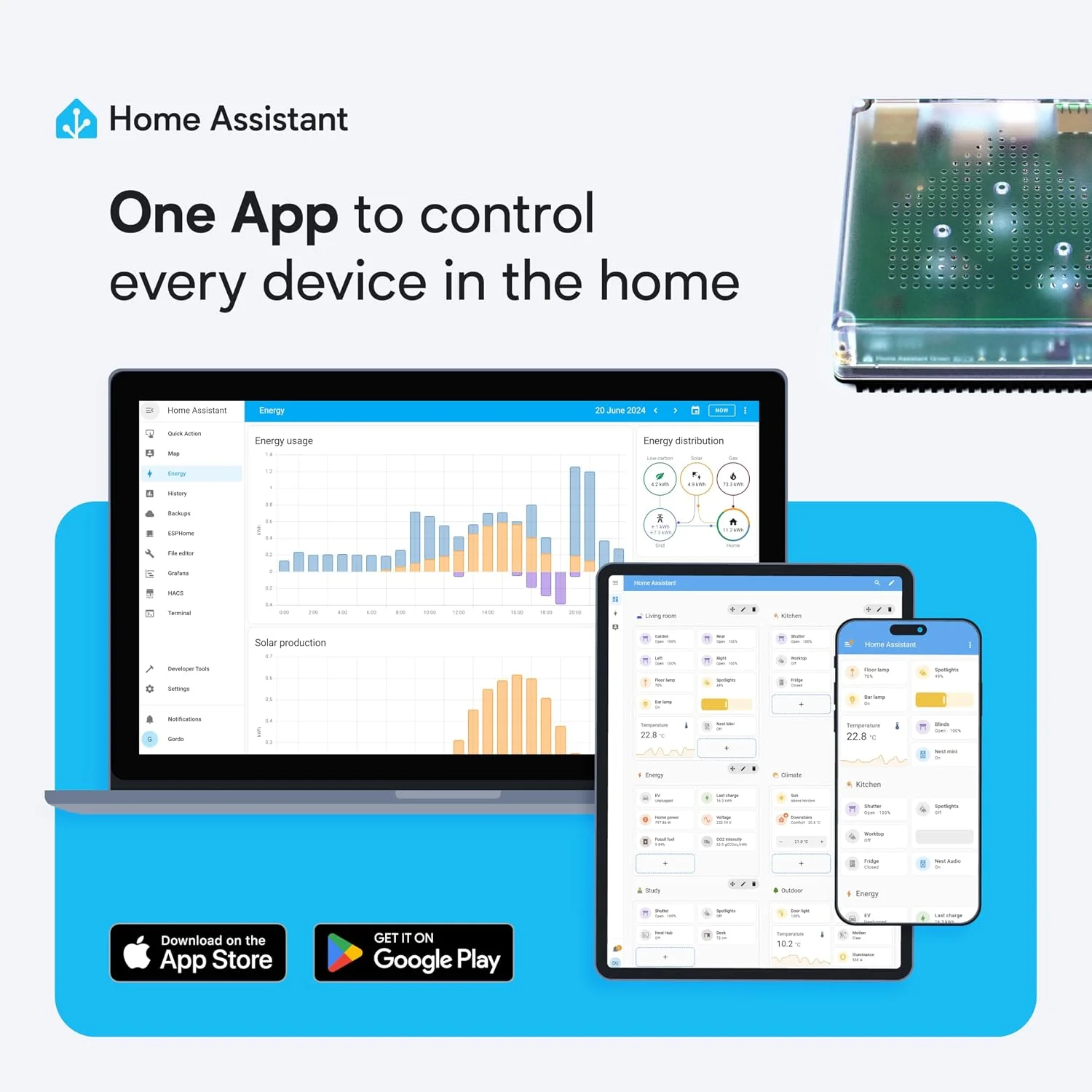
Control your entire home ecosystem from one intuitive, unified interface.
Total Data Sovereignty and Privacy
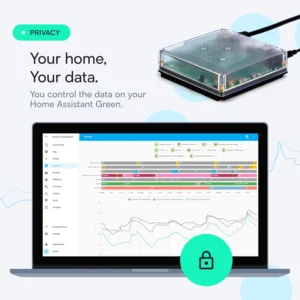
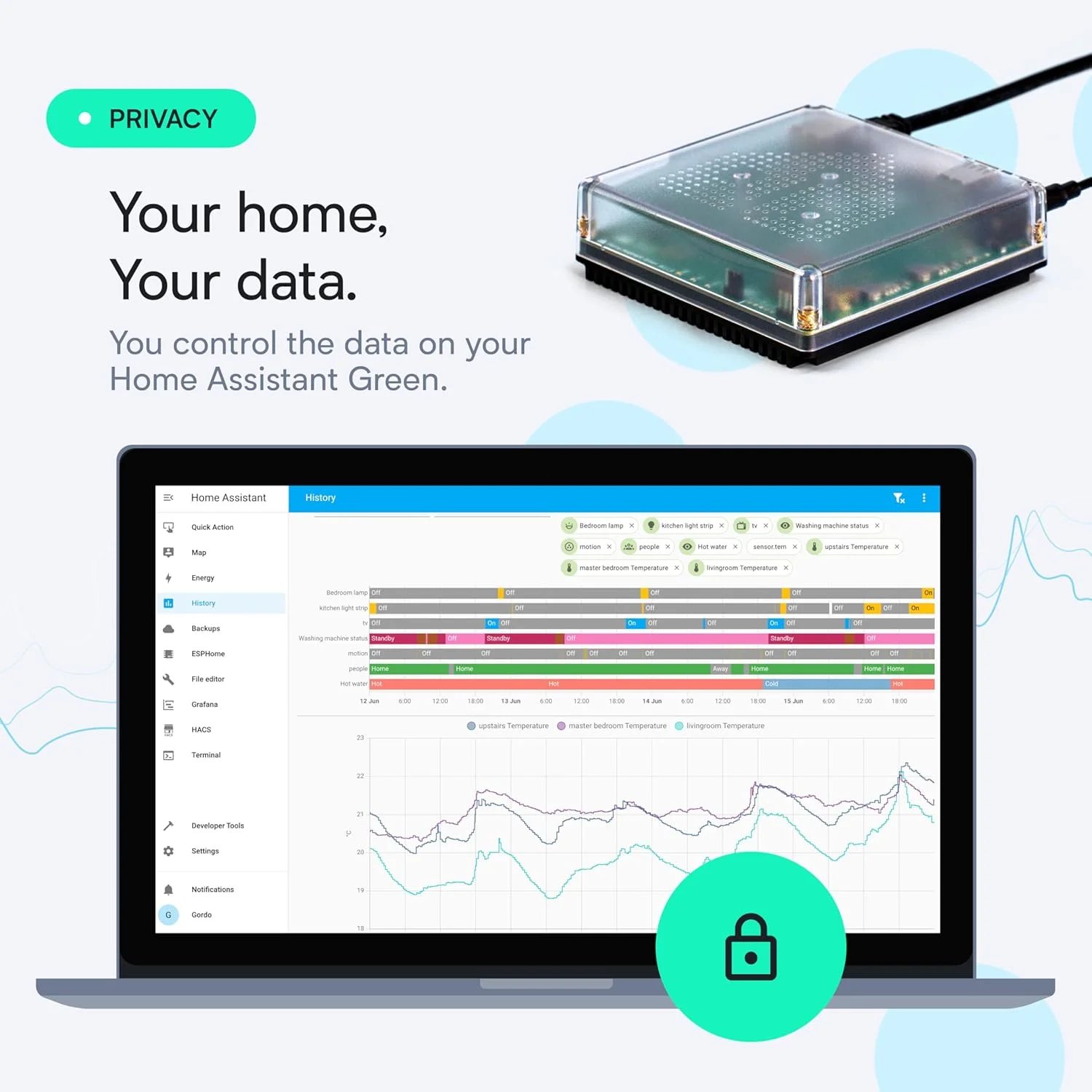
In an era of smart homes spying on your daily routines, Home Assistant Green keeps your data exactly where it belongs: inside your home. No third-party servers, no mandatory cloud accounts, and no data mining. You retain full control over your telemetry, logs, and device states, ensuring your personal habits remain private and secure.
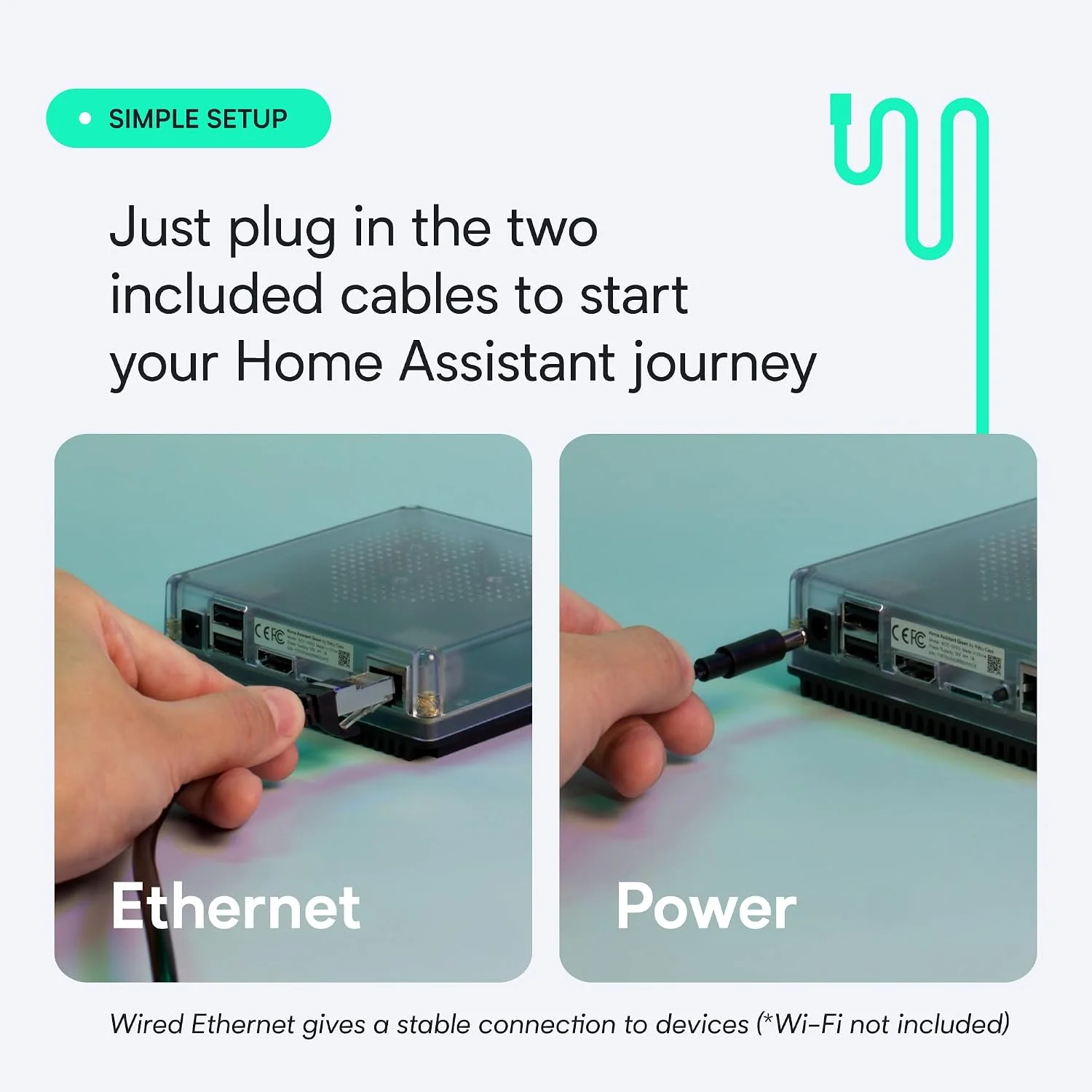
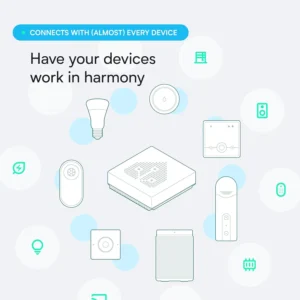
Create complex, harmony-driven automations that run locally.
Limitless Expandability via USB
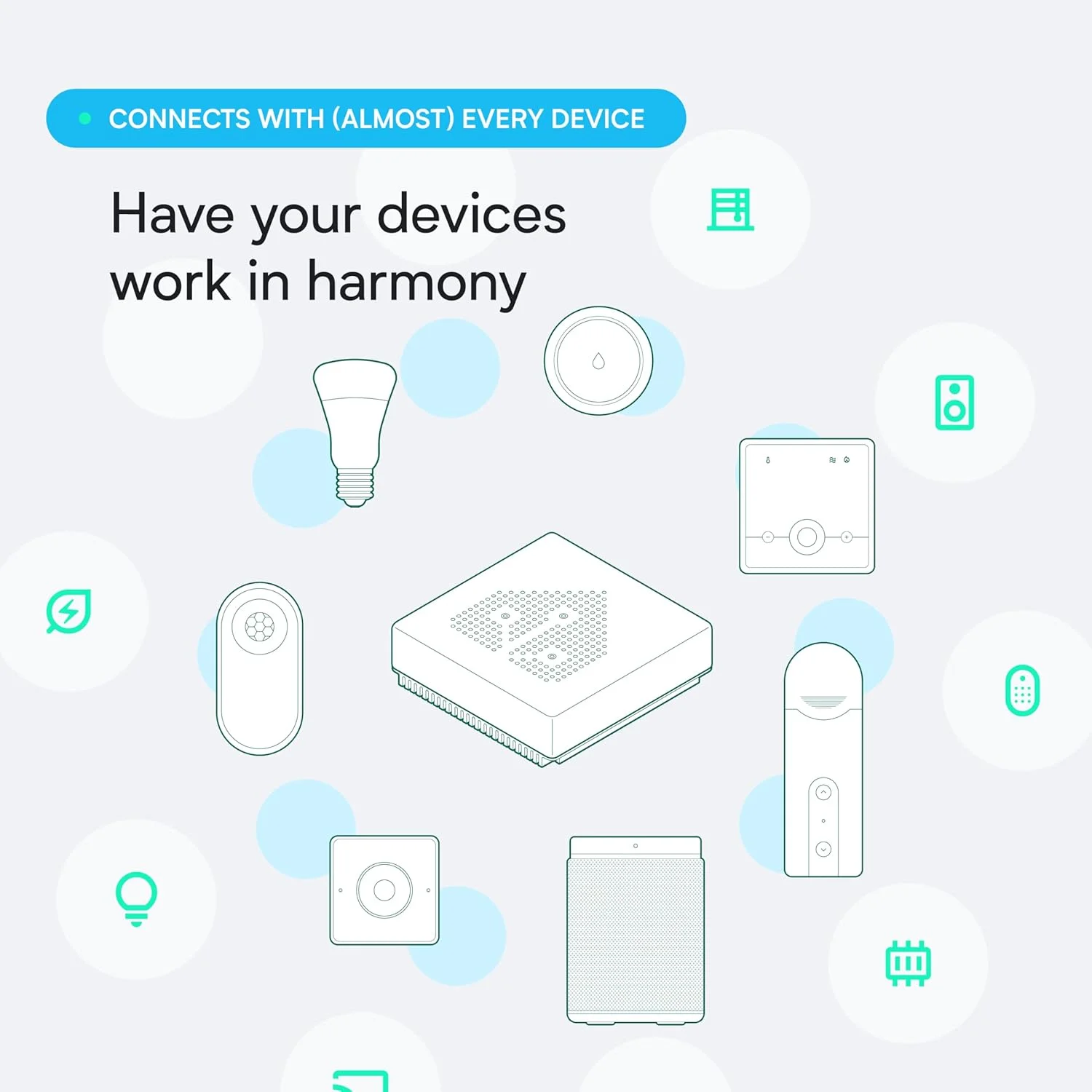
Your smart home should grow with you. If you need to add specialized protocols like Zigbee, Z-Wave, or Thread, the Green is ready. Its USB expansion ports allow you to connect industry-standard dongles, turning your hub into a universal controller that bridges the gap between disparate brands and platforms into one single, harmonious system.
Expand your connectivity to support thousands of smart devices.
Energy-Efficient and Eco-Friendly
Designed with off-grid and energy-conscious users in mind, the Home Assistant Green consumes only a few watts of power. It is the most sustainable way to run a 24/7 smart home server, keeping your electricity bills low while maintaining a robust and reliable automation backbone.
Monitor and optimize your home’s energy consumption in real-time.
Start your journey to a smarter, private home today with Home Assistant Green.