Technical Review & Analysis
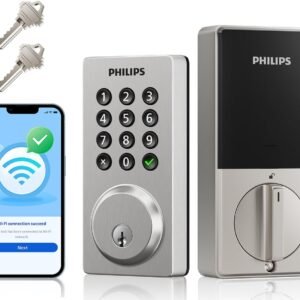
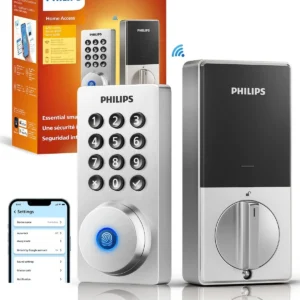
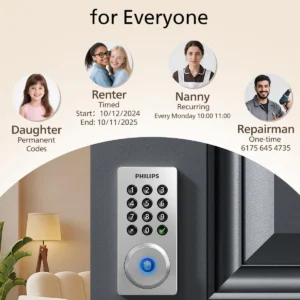
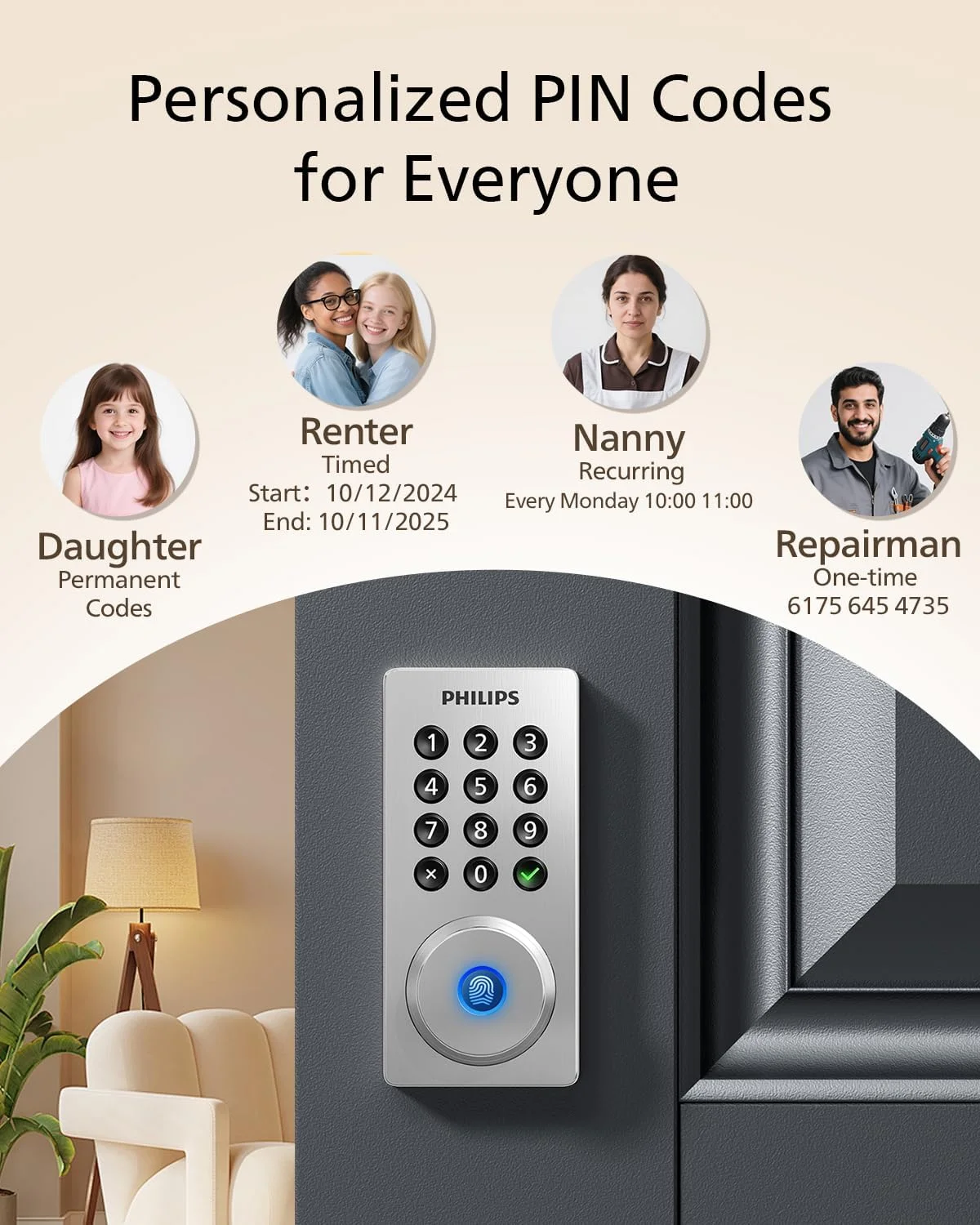
Upgrade your home security with the Philips Wi-Fi Smart Deadbolt, a professional-grade solution designed to eliminate the need for physical keys while maximizing your peace of mind. Whether you are managing property access for family, guests, or service providers, this robust smart lock provides seamless, encrypted, and convenient entry control from anywhere in the world, ensuring your home remains fortified at all times.
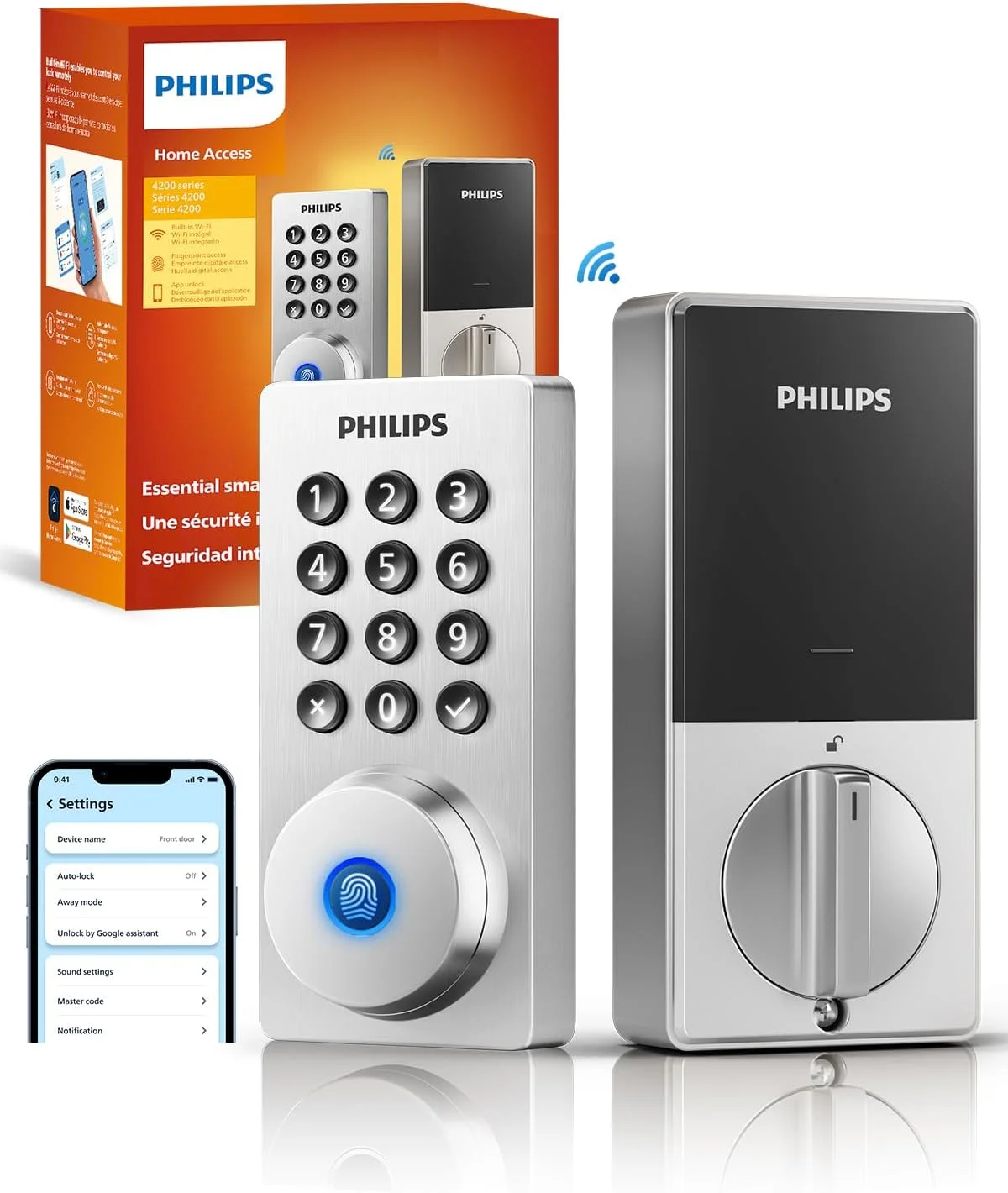
The Philips Wi-Fi Smart Deadbolt: Seamless integration meets modern security.
Contents
Ultimate Convenience with Multi-Method Unlocking
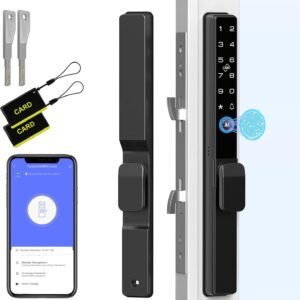
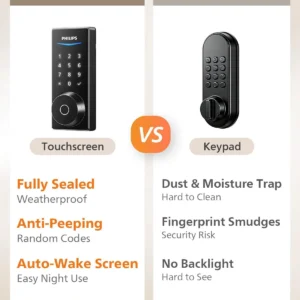
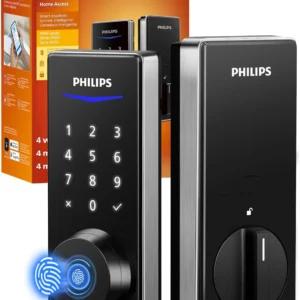
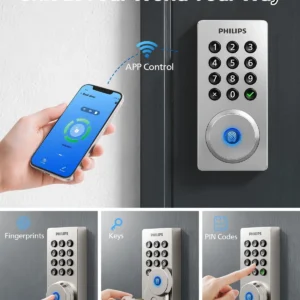
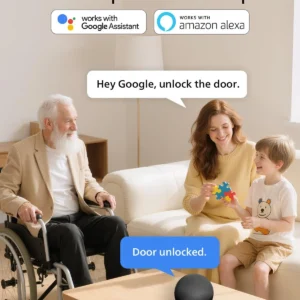
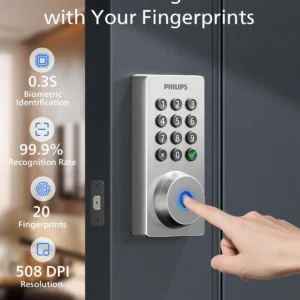
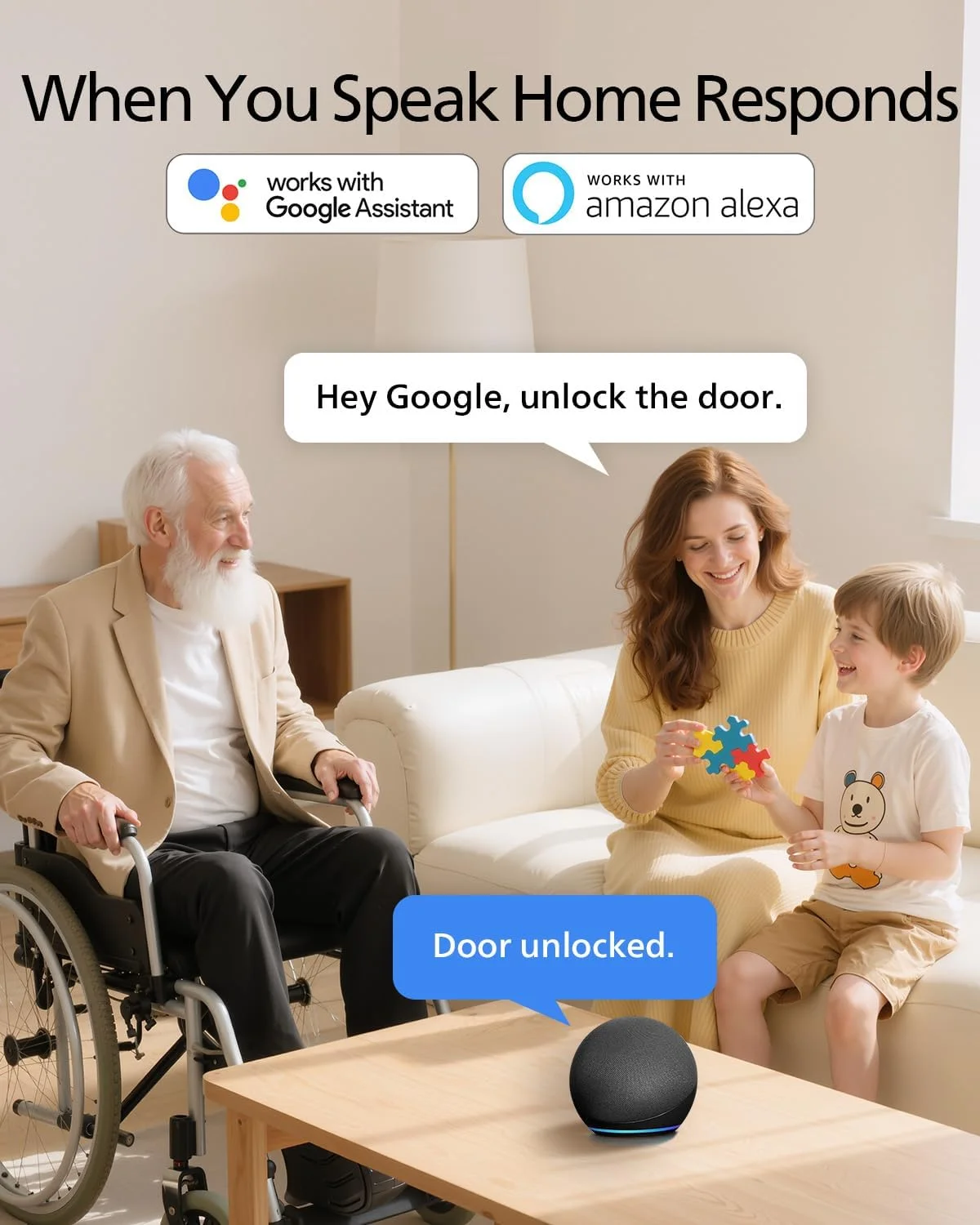
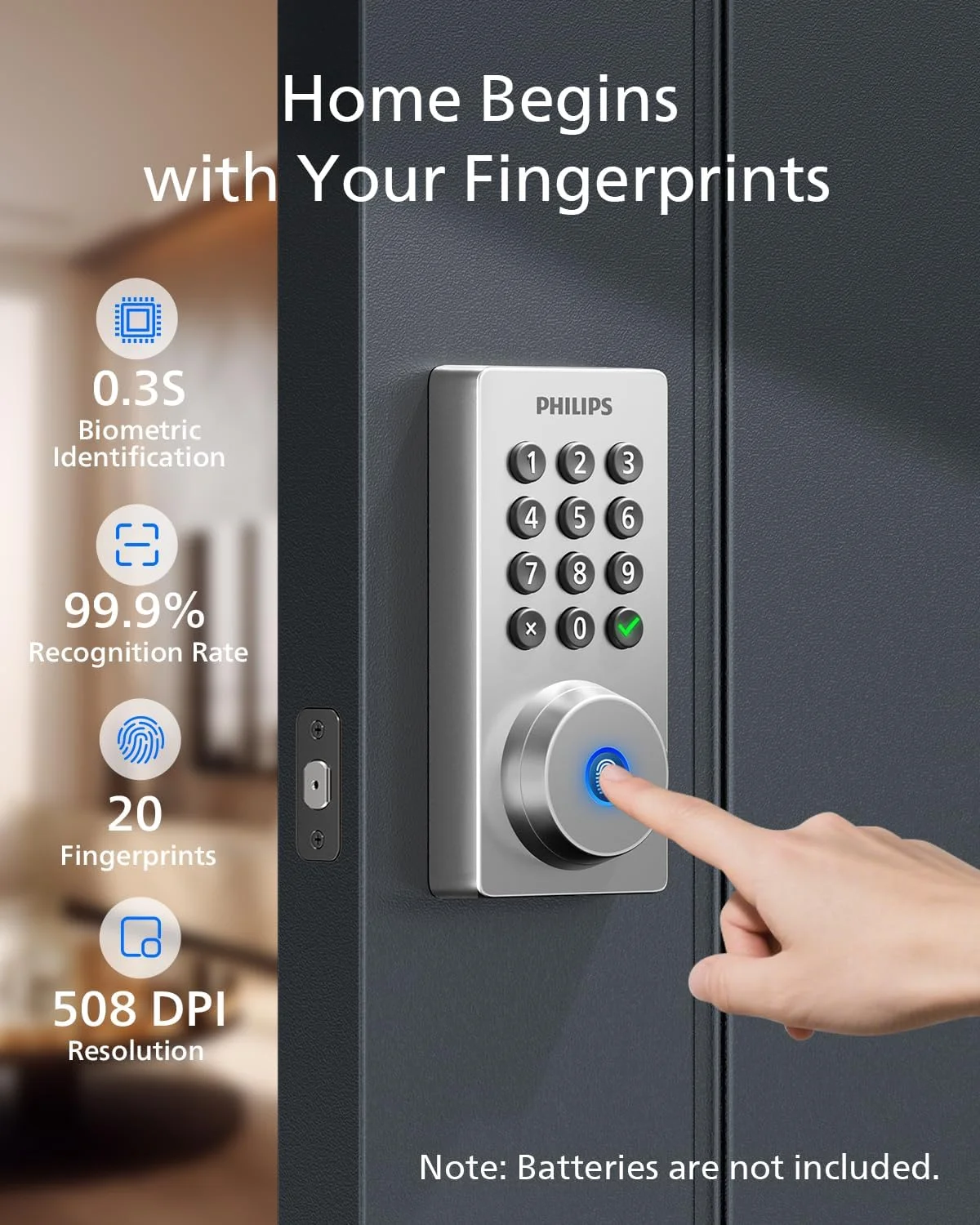
Ditch the keyring and experience true freedom. The Philips Smart Lock offers versatile access options tailored to your lifestyle. Use the lightning-fast 0.3-second biometric fingerprint sensor, enter a secure passcode, or utilize the traditional emergency key backup. Integrated voice control via Amazon Alexa and Google Assistant allows for hands-free entry, making it easier than ever to manage your home’s security.
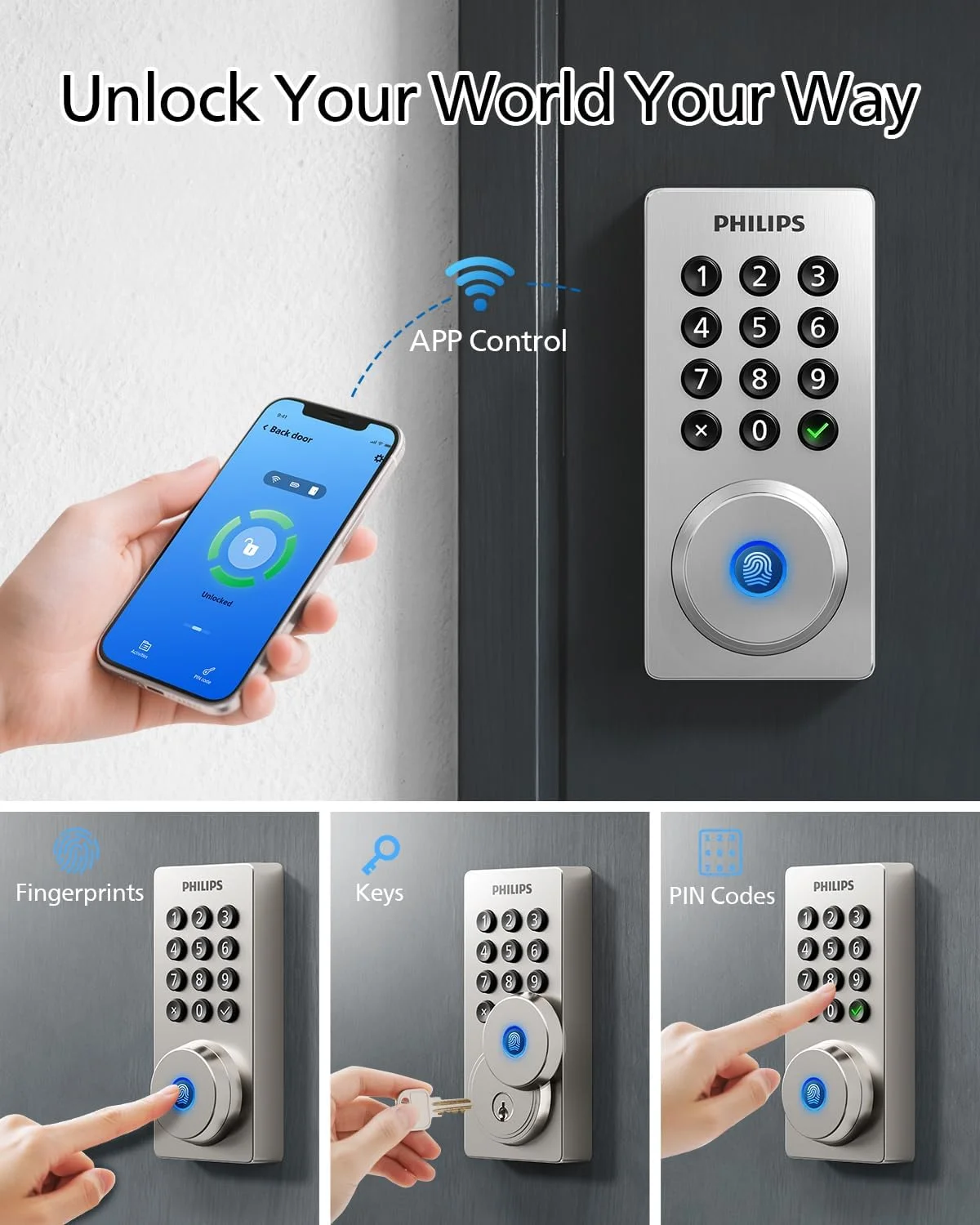
Advanced biometric sensors provide secure, 0.3-second access.
Built-in Wi-Fi for Real-Time Remote Management
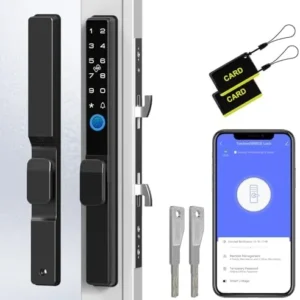
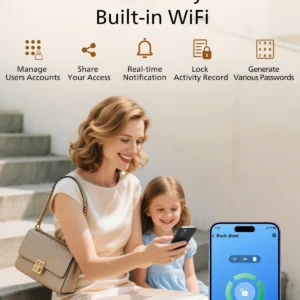
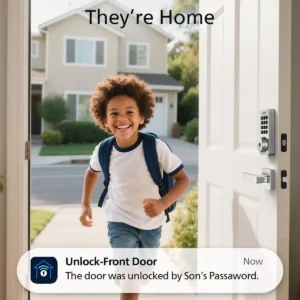
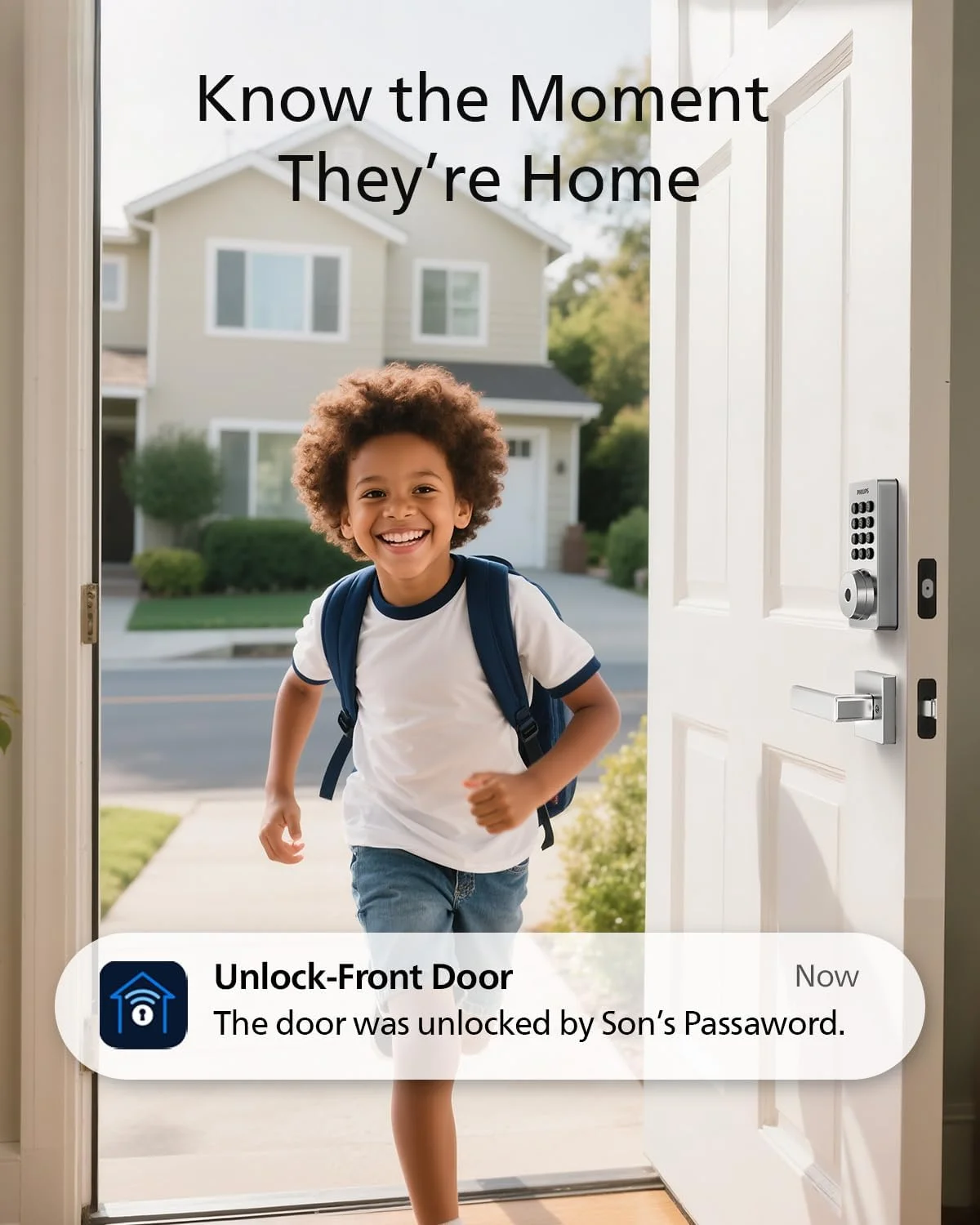
With built-in Wi-Fi, there is no need for extra hubs or complicated bridges. Monitor your door status in real-time directly from your smartphone. Whether you’re at work or traveling, you can grant remote access to guests, view entry logs, and receive instant notifications every time the door is accessed, providing total transparency and control over your entryway.
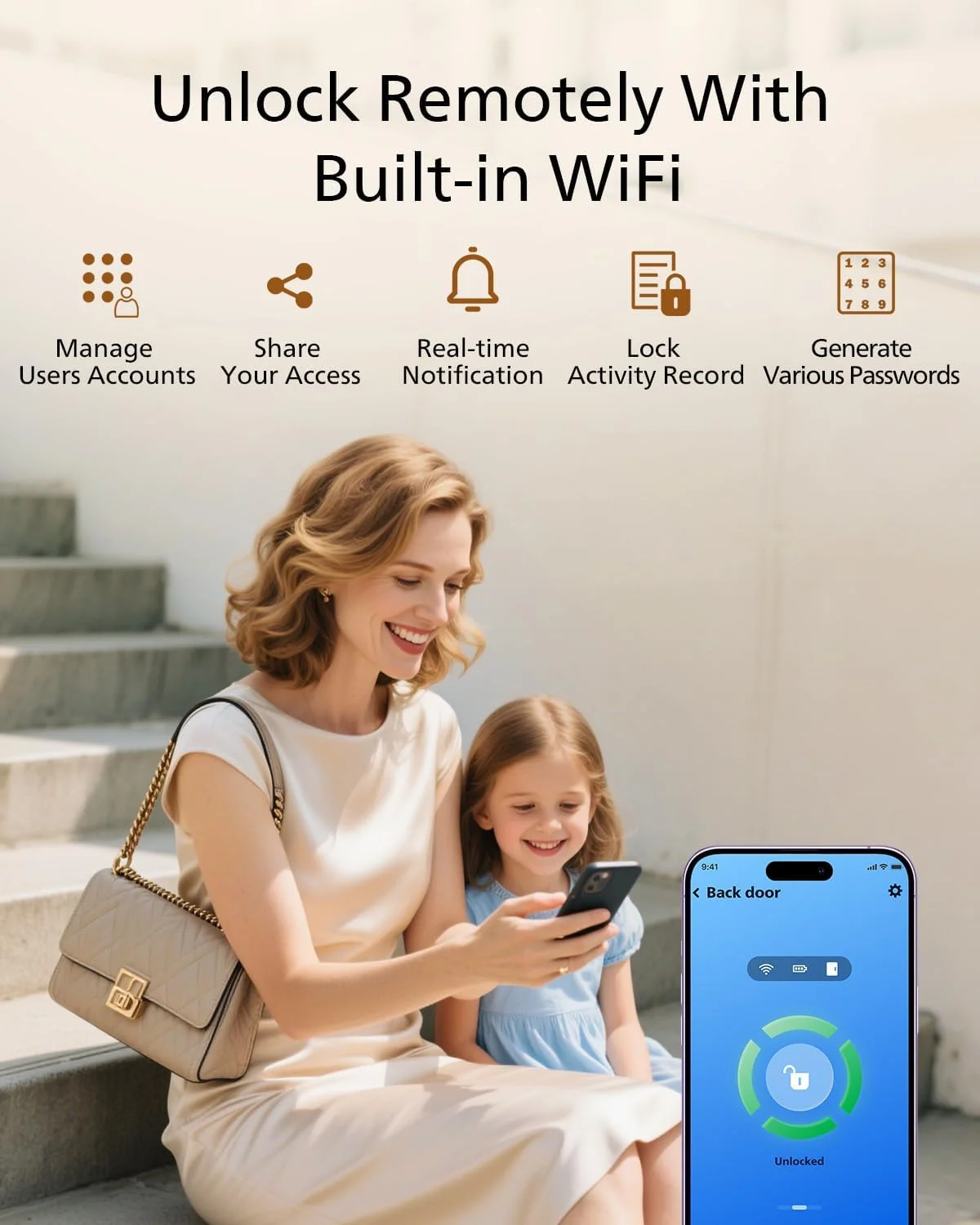
Manage your door access from anywhere via the intuitive mobile app.
Automatic Locking and Enhanced Security
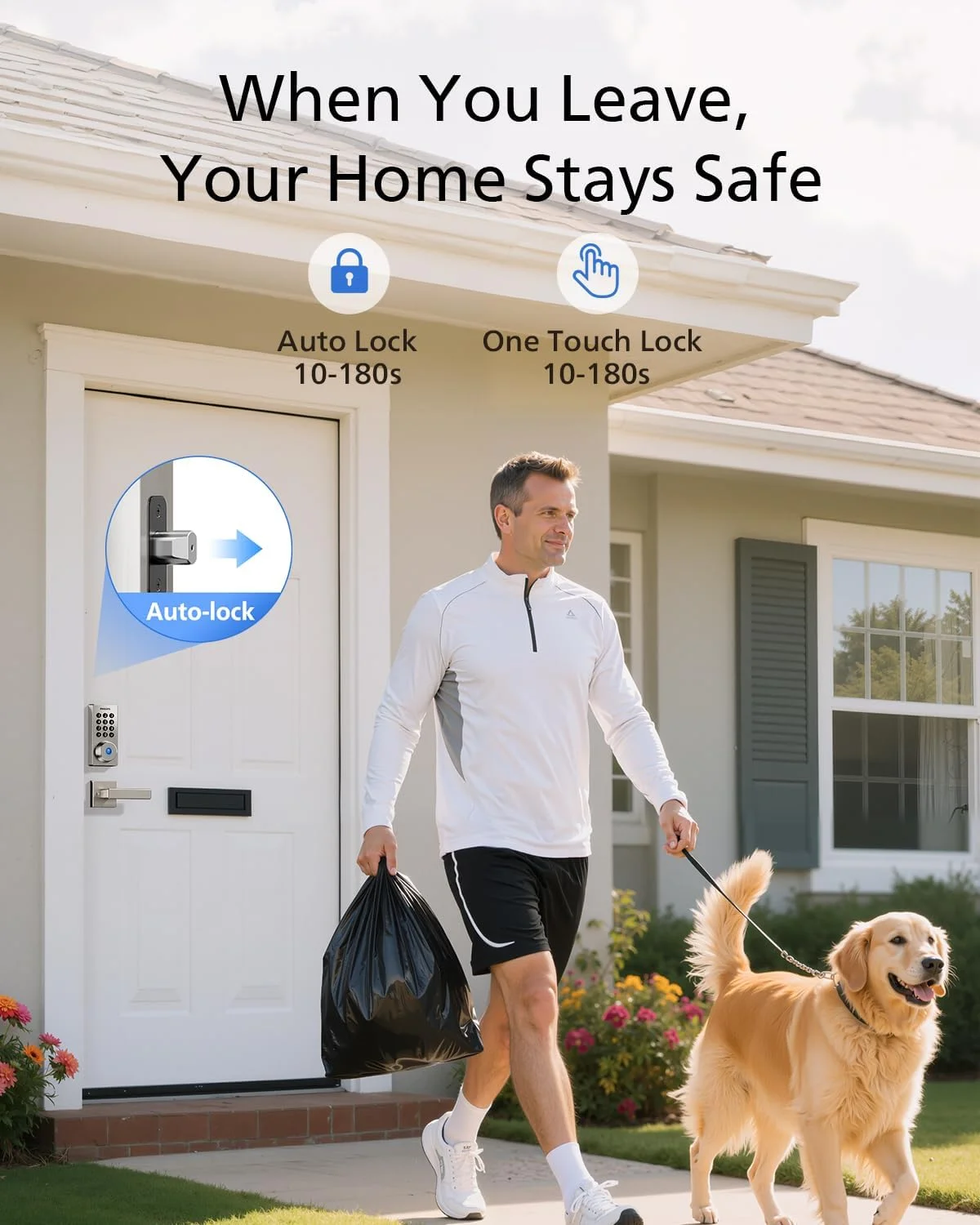
Human error is a leading cause of home security breaches. This Philips lock features a customizable auto-lock function, ensuring your door is secured the moment you step out. With built-in anti-tamper alarms and low-battery alerts, you are always informed of your security status, providing a rugged defense against unauthorized entry.
Rest easy with customizable auto-locking for maximum protection.
Seamlessly connect with Alexa and Google Home for voice-enabled entry.
Reliable Performance in Any Environment
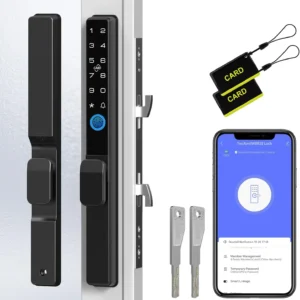
Engineered for consistency, the high-precision fingerprint reader functions reliably even with slightly wet or dry fingers. The unit is designed to handle everyday wear and tear, and in the event of an unexpected power or Wi-Fi outage, the emergency key access ensures you are never locked out of your own home.
Emergency backup features ensure you always have access, no matter the situation.
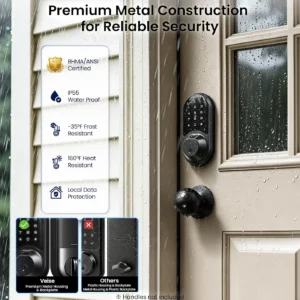
Built with high-grade materials for long-lasting home security.