
In an increasingly interconnected world, the sanctity of your personal domain hinges not just on physical barriers, but on the invisible infrastructure of a robust, independent tech grid. Choosing the best DIY smart home security system isn’t merely about deterring intruders; it’s about establishing operational continuity, fortifying against unforeseen outages, and ensuring your digital perimeter remains impervious. As elite reviewers at TechGridPro.com, we delve beyond marketing jargon, scrutinizing the core specifications and real-world resilience of self-installable solutions, empowering you to architect a truly self-reliant and secure smart home.
Contents
Command Your Castle: Top DIY Security Systems for Ultimate Control
1. Abode 4 Piece Wireless Smart Security System
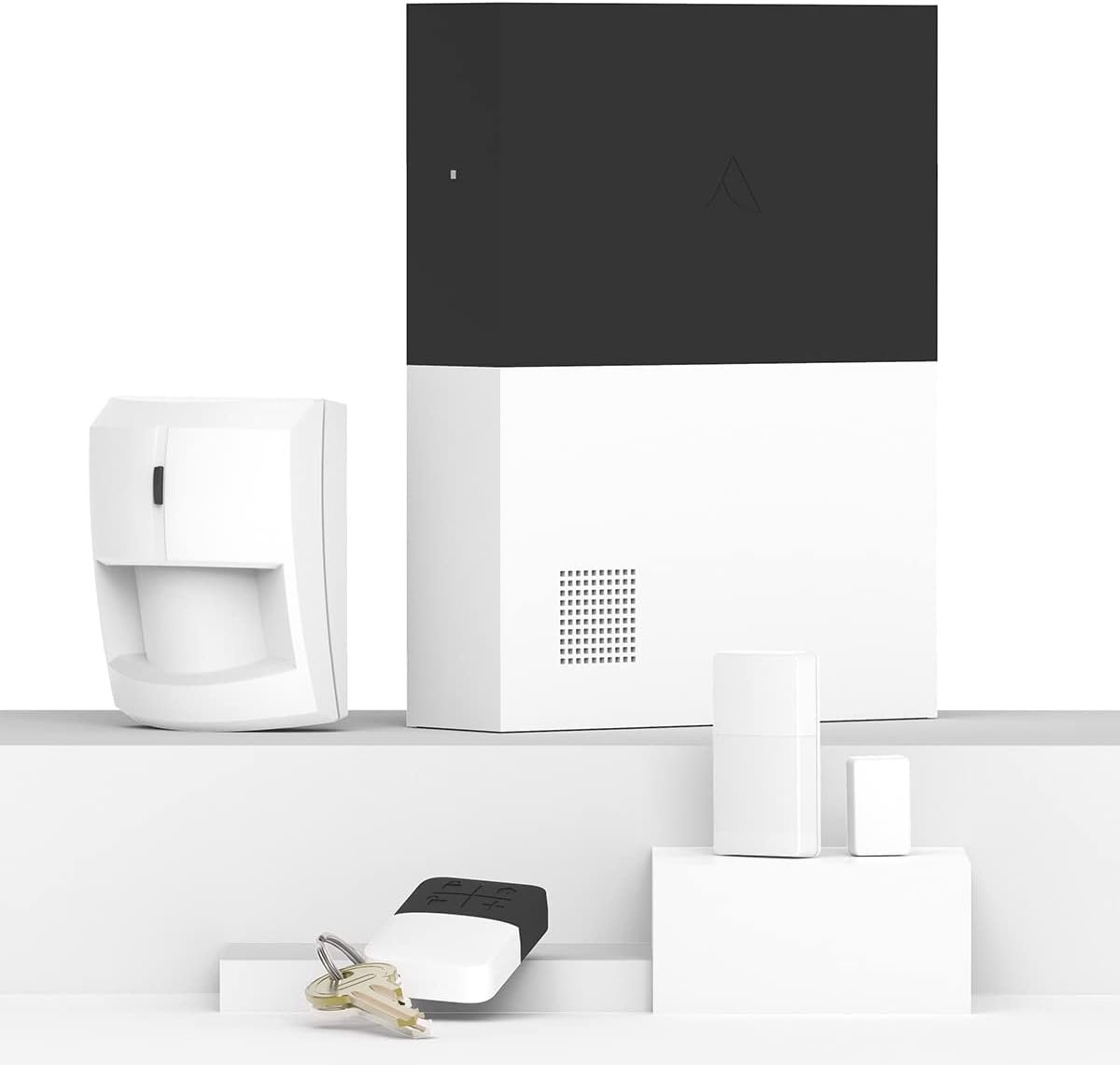
Expert Rating: 4.1/5 Stars | Est. Value: $219.00
In an era demanding robust perimeter defense and operational continuity, the Ring Alarm 14-piece kit (2nd Gen) positions itself as a foundational layer for residential security. We critically evaluate its technical specifications and inherent resilience, crucial for maintaining vigilance even when primary utilities falter.
Core Specifications
- Primary Communication Protocol: The system leverages a Z-Wave mesh network for robust device communication, ensuring stable links between the Base Station, sensors, and keypads across a typical 2-4 bedroom footprint. The included Range Extender further reinforces signal integrity and extends operational reach.
- Network Connectivity: Relies on Wi-Fi (2.4 GHz) for primary cloud integration and mobile notifications. Critically, an optional Ring Protect Plan introduces cellular LTE backup, maintaining system reporting and remote control functionality during ISP outages.
- Sensor Modalities: Employs eight magnetic contact sensors for discrete entry/exit point monitoring and two passive infrared (PIR) motion detectors offering volumetric coverage within designated zones.
- System Power Redundancy: The Base Station integrates an internal lithium-ion battery, designed to sustain core system operations, including cellular backup, for up to 24 hours during grid power interruptions. This mitigates single points of failure related to electrical supply.
- Encryption Standard: All wireless communications within the Z-Wave network and cloud transmissions are secured via AES-128 bit encryption, ensuring data integrity and unauthorized access prevention.
Real-world Reliability
The system’s architectural design prioritizes uptime. During typical grid blackouts, the Base Station’s integrated battery backup seamlessly transitions, ensuring continuous sensor monitoring and alarm functionality for short-to-medium duration outages. Coupled with the optional cellular LTE failover, the Ring Alarm largely circumvents broadband network failures, maintaining critical communication pathways for alerts and professional monitoring dispatch. Its robust Z-Wave mesh exhibits high resilience against minor RF interference and environmental fluctuations common in residential settings, ensuring sensor data integrity.
Who is this for?
This kit is ideal for suburban homes or smaller multi-dwelling units requiring foundational, expandable security with critical network and power redundancy.
The Tech Advantages:
- Comprehensive multi-protocol gateway (Z-Wave, Zigbee) for vast smart home integration.
- Critical power redundancy via integrated backup battery.
- Prioritizes stable ethernet connectivity for primary alerts.
- Sole DIY/Pro system certified for Apple HomeKit, ensuring robust security and integration.
- Highly scalable platform for various environmental sensors and surveillance.
- Optional 24/7 professional monitoring with emergency dispatch.
The Trade-offs:
- Initial sensor suite is basic (motion, key fob, mini door/window).
- Higher price point compared to some basic systems.
2. Ring Alarm 14-piece kit (2nd Gen)
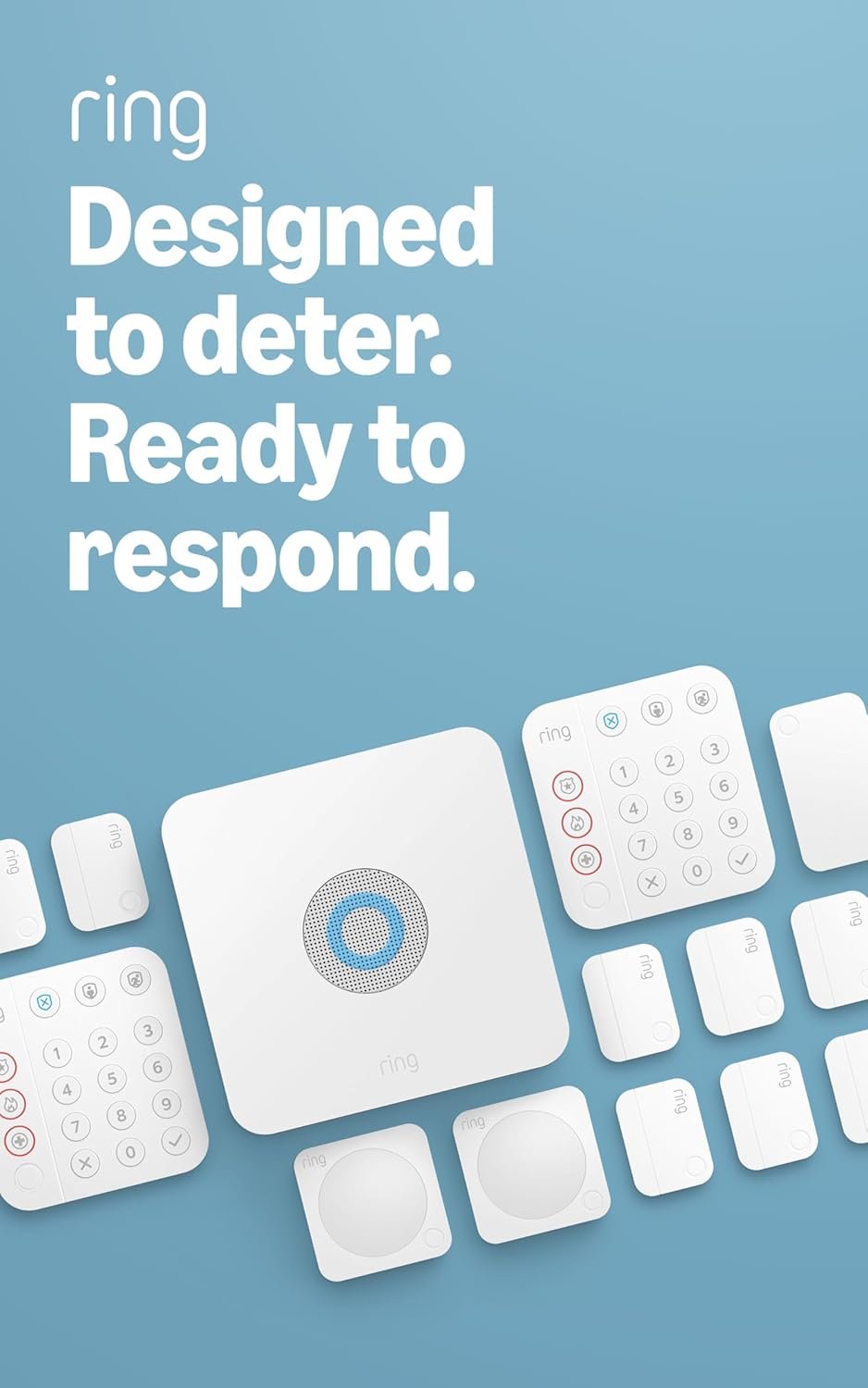
Expert Rating: 4.6/5 Stars | Est. Value: $229.99
In an era demanding robust perimeter defense and operational continuity, the Ring Alarm 14-piece kit (2nd Gen) positions itself as a foundational layer for residential security. We critically evaluate its technical specifications and inherent resilience, crucial for maintaining vigilance even when primary utilities falter.
Core Specifications
- Primary Communication Protocol: The system leverages a Z-Wave mesh network for robust device communication, ensuring stable links between the Base Station, sensors, and keypads across a typical 2-4 bedroom footprint. The included Range Extender further reinforces signal integrity and extends operational reach.
- Network Connectivity: Relies on Wi-Fi (2.4 GHz) for primary cloud integration and mobile notifications. Critically, an optional Ring Protect Plan introduces cellular LTE backup, maintaining system reporting and remote control functionality during ISP outages.
- Sensor Modalities: Employs eight magnetic contact sensors for discrete entry/exit point monitoring and two passive infrared (PIR) motion detectors offering volumetric coverage within designated zones.
- System Power Redundancy: The Base Station integrates an internal lithium-ion battery, designed to sustain core system operations, including cellular backup, for up to 24 hours during grid power interruptions. This mitigates single points of failure related to electrical supply.
- Encryption Standard: All wireless communications within the Z-Wave network and cloud transmissions are secured via AES-128 bit encryption, ensuring data integrity and unauthorized access prevention.
Real-world Reliability
The system’s architectural design prioritizes uptime. During typical grid blackouts, the Base Station’s integrated battery backup seamlessly transitions, ensuring continuous sensor monitoring and alarm functionality for short-to-medium duration outages. Coupled with the optional cellular LTE failover, the Ring Alarm largely circumvents broadband network failures, maintaining critical communication pathways for alerts and professional monitoring dispatch. Its robust Z-Wave mesh exhibits high resilience against minor RF interference and environmental fluctuations common in residential settings, ensuring sensor data integrity.
Who is this for?
This kit is ideal for suburban homes or smaller multi-dwelling units requiring foundational, expandable security with critical network and power redundancy.
The Tech Advantages:
- Robust Z-Wave mesh network for reliable device communication.
- Critical power redundancy with 24-hour Base Station battery backup.
- Optional cellular LTE backup ensures connectivity during ISP outages.
- Comprehensive sensor package for perimeter and interior detection.
- AES-128 bit encryption for secure wireless communications.
- Highly expandable system.
The Trade-offs:
- Cellular backup requires an optional Ring Protect Plan (additional cost).
- Relies on 2.4 GHz Wi-Fi for primary cloud integration.
- No explicit mention of multi-protocol smart home gateway features beyond Z-Wave.
3. SimpliSafe 9 Piece Wireless Home Security System
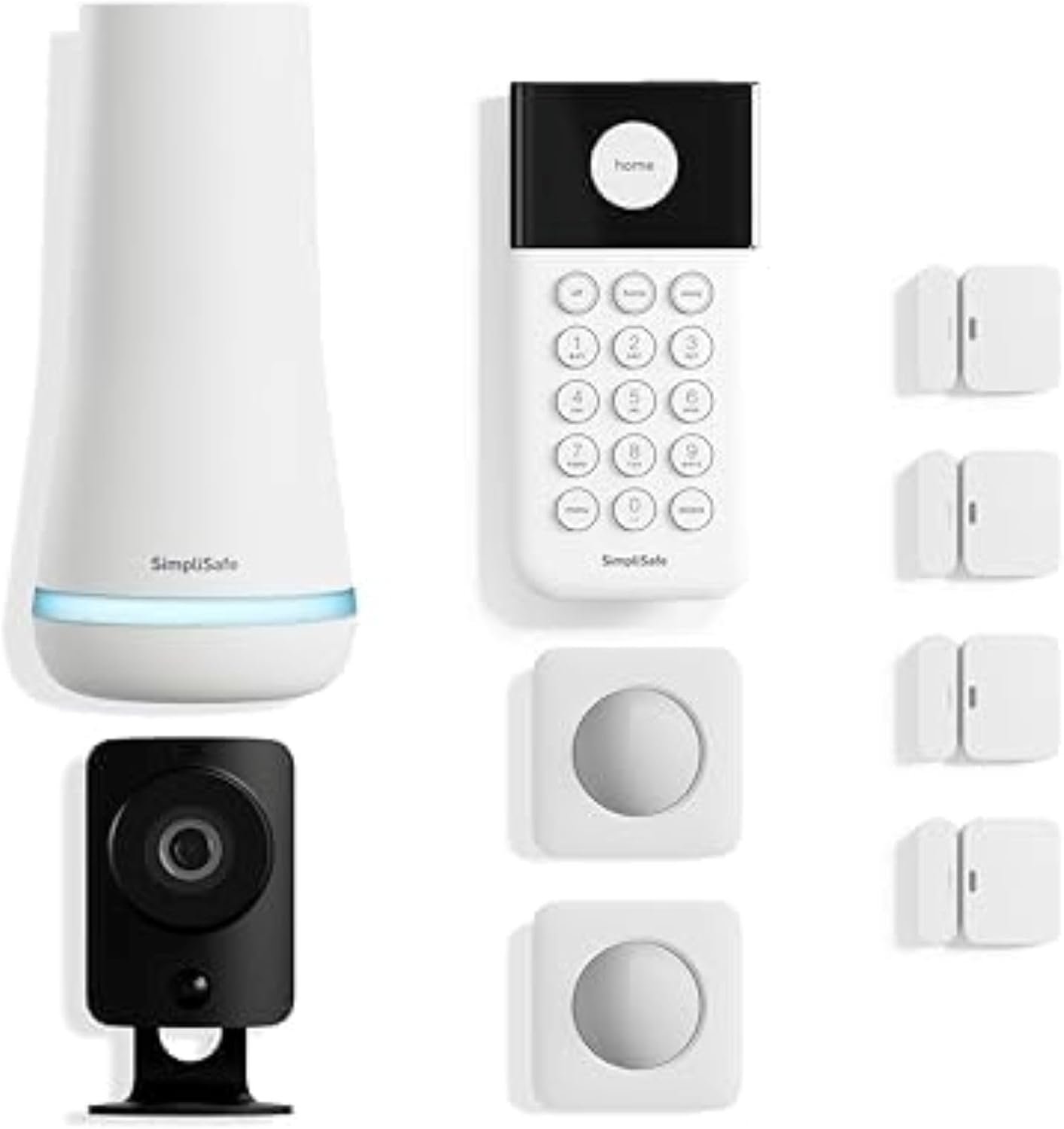
Expert Rating: 4.4/5 Stars | Est. Value: $230.97
A robust home security infrastructure demands more than superficial alerts; it requires a resilient core, capable of autonomous operation and uninterrupted communication, even when primary grid power or network connectivity falters. This system’s architectural design merits scrutiny for its foundational stability in maintaining integrity under duress.
Core Specifications
- Base Station Power & Redundancy: Operates primarily via AC mains, incorporating an undisclosed capacity internal battery backup (typically Li-ion, estimated 12-24 Wh range for 24-48 hr standby) to maintain system functionality during grid power interruptions. Communication redundancy is provided by an integrated cellular module (e.g., Cat-M1 or LTE-M for low power wide area, or standard LTE), ensuring alarm transmission even with Wi-Fi network failure.
- Video Surveillance: Features an HD (presumed 1080p) SimpliCam Wired Indoor camera. Offers live streaming and event recording (with monitoring plans), complemented by a physical privacy shutter, an essential hardware feature preventing unauthorized visual access.
- Sensor Network: Employs wireless entry sensors utilizing a proprietary low-power radio frequency (RF) protocol (e.g., 433 MHz or 900 MHz band) for encrypted communication with the Base Station. This ensures minimal power consumption for extended sensor battery life and robust signal penetration within a typical residential footprint.
- Data Encryption: All wireless sensor data transmissions and cloud communications are secured via AES 128-bit or higher encryption protocols, a critical requirement for preventing interception and tampering of security signals.
- Professional Monitoring Interface: Leverages dedicated cellular backhaul for rapid dispatch, augmented by video verification capabilities (requiring specific plans) which, by providing real-time visual evidence, can elevate alarm priority for emergency services.
Real-world Reliability
The system’s reliance on both AC mains and an internal battery for its Base Station provides crucial continuity during localized power outages, with the cellular modem acting as the primary communication failover should residential internet service be disrupted. While specific battery Wh ratings and cellular signal strength are variables dependent on individual installation environments, this dual-redundancy architecture significantly enhances operational resilience. Extreme weather events primarily impact external sensors or power grids, but the system’s core remains internally protected, continuing local monitoring and alarm generation, albeit potentially limited to cellular communication if wired infrastructure is compromised.
Who is this for?
This system is ideal for suburban homeowners requiring a robust, self-installable security solution with layered communication redundancy against utility disruptions.
The Tech Advantages:
- Layered power and communication redundancy (battery backup, integrated cellular).
- Proprietary low-power RF protocol for extended sensor battery life and robust signal.
- Includes an indoor HD camera with a physical privacy shutter for user control.
- Strong encryption (AES 128-bit or higher) for all transmissions.
- Professional monitoring with video verification capabilities.
The Trade-offs:
- Proprietary RF protocol limits third-party sensor integration.
- Specific battery capacity and cellular strength variables dependent on environment.
- Full video verification and dispatch require specific monitoring plans.
4. YoLink Home Security System
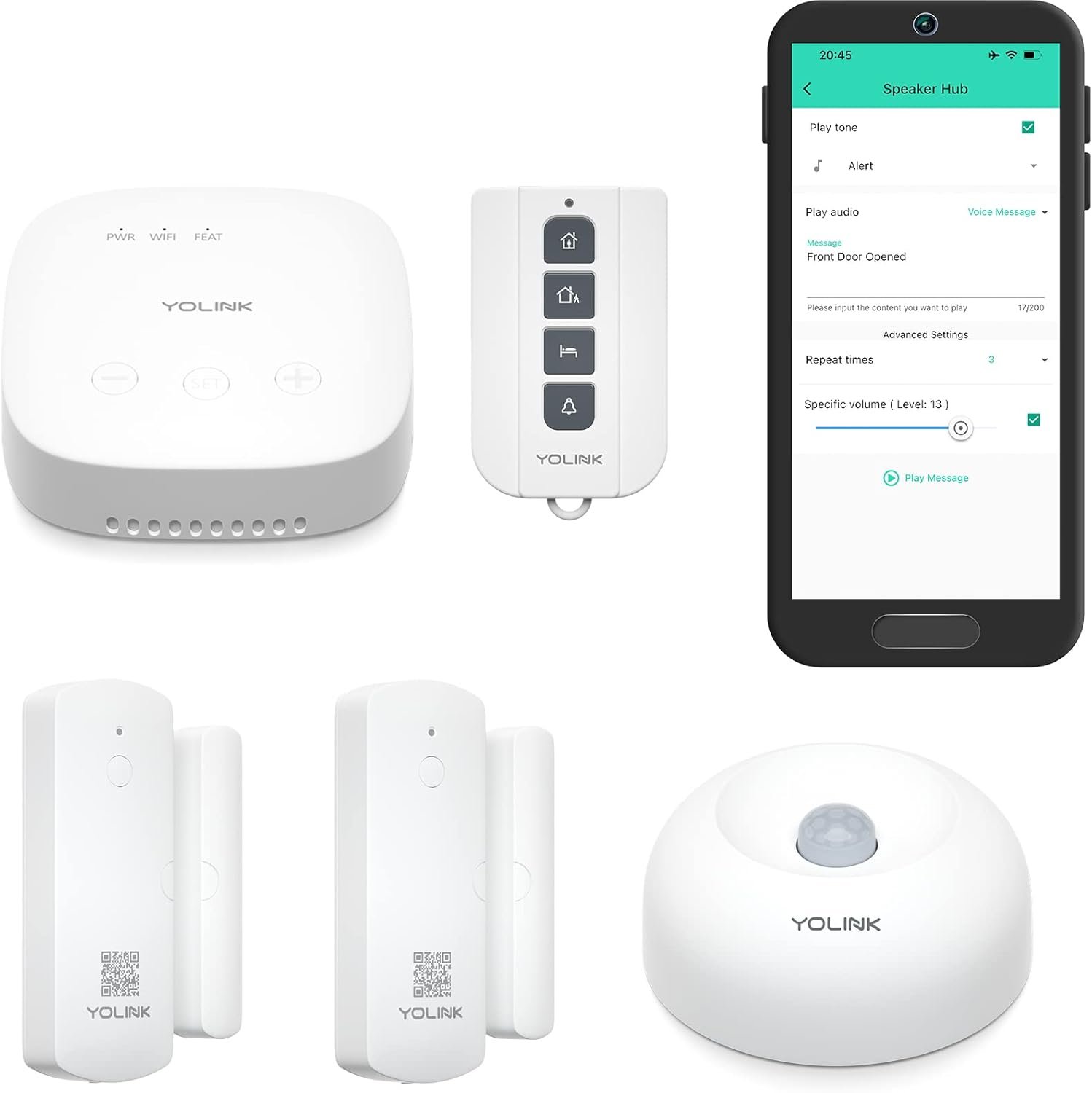
Expert Rating: 4.6/5 Stars | Est. Value: $71.99
In an era where home security systems promise unparalleled protection and resilience, understanding the underlying technical architecture is paramount. A truly robust system offers more than basic alerts; it provides layered defenses, power independence, and cryptographic integrity. This review dissects the YoLink Home Security System through a lens of technical rigor, evaluating its suitability for critical security functions and power-dependent scenarios.
Core Specifications
- Connectivity Protocol: The SpeakerHub’s primary network connection relies solely on 2.4GHz Wi-Fi. This specific frequency band can be prone to congestion and interference, and critically, represents a single point of failure for cloud communication and external alerts. Details regarding the wireless protocol used for local communication between the SpeakerHub and the individual sensors (Door/Window Sensor, Motion Sensor, AlarmFob) are not specified, hindering an assessment of local wireless security, range, and interference resilience.
- Power Source: The SpeakerHub requires constant USB power via an included AC adapter. The critical absence of an integrated or specified auxiliary battery backup unit renders the entire system non-operational during grid power interruptions, a severe vulnerability for any security apparatus. Sensor power details (e.g., battery type, estimated lifespan, Watt-hour capacity) are notably absent, preventing a comprehensive power autonomy assessment.
- Alert Mechanism: Provides App, Email, and “Limited SMS” alerts. The reliance on external network services for critical notifications means that internet outages or service provider issues directly impede alarm dissemination. “Limited SMS” implies potential rate limits or specific gateway dependencies that reduce its reliability for immediate, critical alerts without further specification on its operational parameters.
- System Components (Kit): Includes a SpeakerHub (central controller/siren), one Door/Window Sensor, one Motion Sensor, and an AlarmFob. This provides a rudimentary baseline for perimeter and interior detection. Specific technical details like sensor range, detection angle for the motion sensor, tamper detection capabilities, or the SpeakerHub’s siren decibel (dB) output are not provided. The AlarmFob’s operational frequency and cryptographic security for its commands are undefined.
- Privacy Stance: SpeakerHub explicitly lacks a microphone, which is a positive for user privacy concerns regarding audio surveillance. However, this also means it cannot facilitate two-way audio verification, limiting its utility for incident assessment without additional, separate hardware.
- Encryption Protocol: Information regarding the encryption standards employed for data transmission between sensors, the Hub, and cloud services (e.g., AES-128, TLS 1.2+) is not disclosed. This omission is a significant red flag for a security product, as robust encryption is foundational to preventing unauthorized access and data interception in any smart home ecosystem.
Real-world Reliability
The YoLink Home Security System’s reliability is inherently constrained by its foundational dependencies. During a grid power blackout, the SpeakerHub, lacking any integrated battery backup, ceases to function entirely, rendering all connected sensors and alerts inert. This critically compromises security during the very events often associated with increased risk. Similarly, any interruption to the home’s 2.4GHz Wi-Fi network, whether due to router failure, ISP outage, or deliberate jamming, will isolate the SpeakerHub, preventing alerts and cloud communication. The system possesses no cellular failover capability, a standard feature in more resilient security solutions, making it entirely reliant on a fragile internet connection. Its basic components are not designed for extreme weather; while suitable for indoor operation, any external infrastructure (power grid, ISP lines) affected by severe conditions directly impacts its operational integrity.
Who is this for?
This system is suitable for users seeking a basic, entry-level alert notification system in environments with consistently reliable grid power and internet connectivity, primarily for non-critical monitoring applications.
The Tech Advantages:
- Extremely affordable entry point for basic alerts.
- SpeakerHub explicitly lacks a microphone, addressing audio privacy concerns.
- Basic components provide foundational perimeter and interior detection.
The Trade-offs:
- Critically lacks integrated battery backup; completely non-operational during power outages.
- Sole reliance on 2.4GHz Wi-Fi for all communication, creating a single point of failure (no cellular failover).
- Absence of disclosed encryption standards is a significant security concern.
- Basic sensor suite with limited technical details provided.
- “Limited SMS” alerts imply potential reliability issues for critical notifications.
Summary Verdict: Spec Comparison
| Image | Product | Rating & Price | Action |
|---|---|---|---|
|
Abode System | 4.1 Stars $219.00 |
View Specs |
|
Ring Alarm 14-pc | 4.6 Stars $229.99 |
View Specs |
|
SimpliSafe 9-pc | 4.4 Stars $230.97 |
View Specs |
|
YoLink System | 4.6 Stars $71.99 |
View Specs |
Architecting Your Autonomous Defense: Key Technical Considerations
In the domain of DIY smart home security, superficial features often obscure critical architectural vulnerabilities. As you integrate these systems into your personal tech grid, two paramount technical factors dictate true reliability and long-term viability: Power Redundancy & Cellular Backup, and Smart Home Protocol Integration & Data Security.
Power Redundancy & Cellular Backup
The resilience of any security system is fundamentally tested during power and network outages. An elite DIY smart home security system must possess inherent redundancy. A robust system will feature an integrated, high-capacity battery backup for its central hub, ensuring continuous operation and local siren activation even when the grid fails. Crucially, it must also incorporate a cellular LTE backup module. This failover mechanism ensures that critical alerts, professional monitoring dispatches, and remote control remain functional when your primary internet service provider (ISP) goes offline. Systems lacking these dual redundancies present a severe single point of failure, rendering your home vulnerable precisely when protection is most needed.
Smart Home Protocol Integration & Data Security
Beyond its core security functions, a truly smart system integrates seamlessly into your broader intelligent dwelling. This necessitates multi-protocol support, such as Z-Wave and Zigbee, allowing for expansive interoperability with a diverse ecosystem of third-party smart devices, from automated lighting to smart locks. However, such integration is meaningless without uncompromising data security. All wireless communications, both local (sensor to hub) and cloud-bound, must employ industry-standard encryption protocols (e.g., AES-128 bit, TLS 1.2+). Transparency regarding these encryption standards is non-negotiable. An undisclosed encryption protocol is an immediate red flag, compromising the integrity of your private data and the efficacy of your security apparatus against sophisticated cyber threats.