
Technical Review & Analysis
Protect your home with confidence using the YoLink Smart Home Security System, the ultimate DIY solution for modern, proactive monitoring. Designed for homeowners who demand reliability without the hassle of professional installation or monthly subscription fees, this 5-piece kit provides total control over your security environment. Whether you are at work or traveling, stay connected with real-time alerts delivered directly to your smartphone, ensuring peace of mind is always just a tap away.
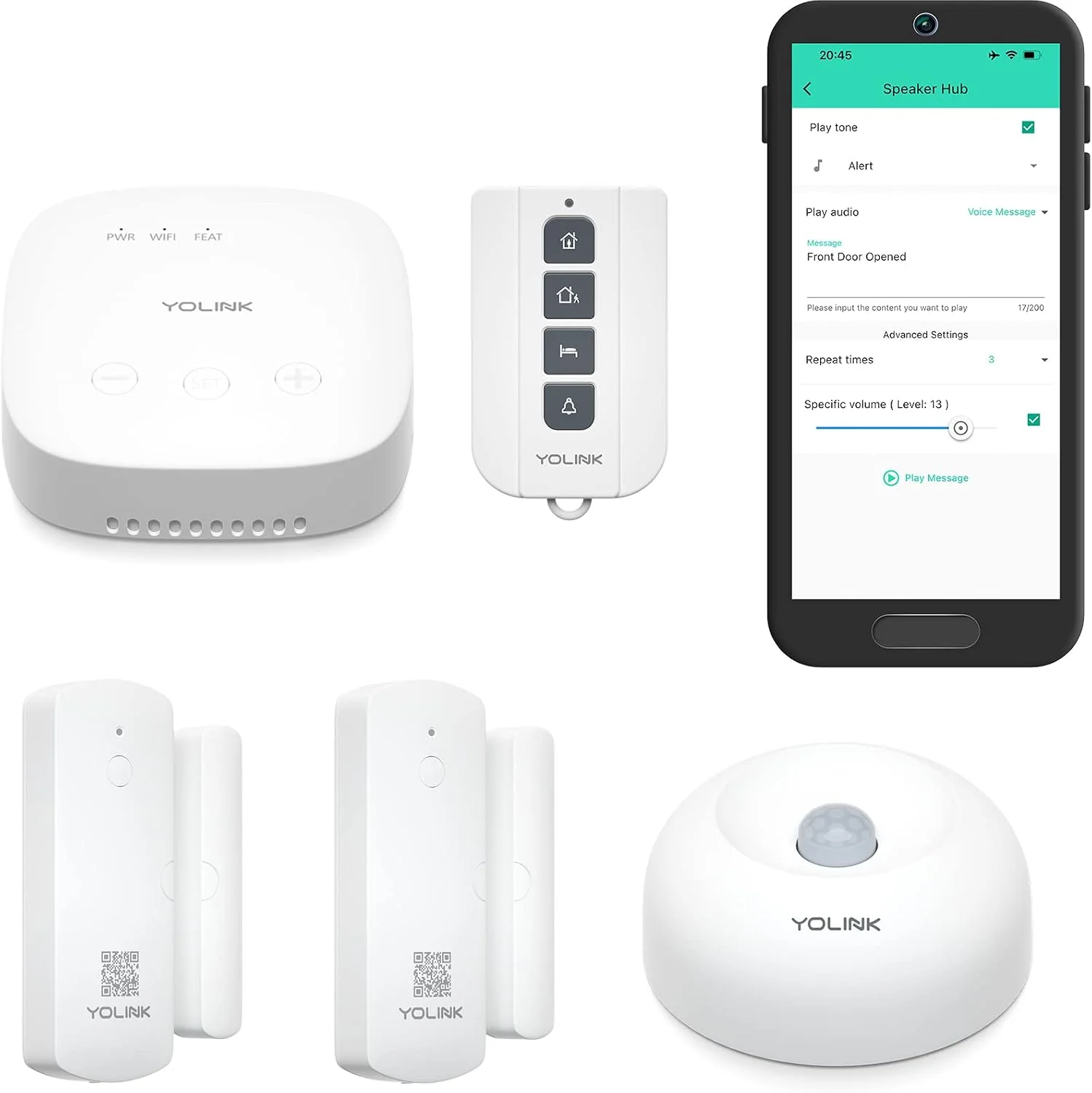
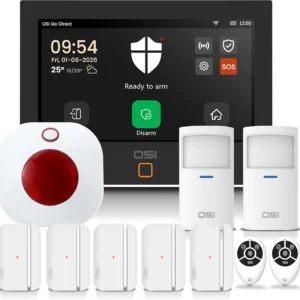
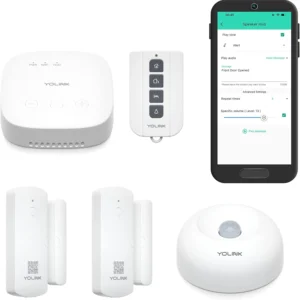
Complete 5-piece wireless security kit for instant home protection.
Contents
Ultimate Control with the AlarmFob
Ditch the complicated keypads. The included YoLink AlarmFob puts the power of your security system right in your pocket. Featuring four customizable buttons, you can easily toggle between “Arm Stay,” “Arm Away,” “Panic,” and “Sleep” modes. Need more functionality? Use the intuitive YoLink app to assign specific buttons to control smart scenes or trigger other connected devices, making this more than just a security tool—it’s your home automation controller.
The multifunctional AlarmFob for one-touch system management.
Intelligent Alerts via SpeakerHub
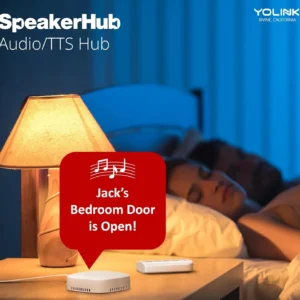
The SpeakerHub is the brains of your system, designed to provide immediate, audible feedback. Unlike standard buzzers, this smart speaker provides clear, spoken announcements like “Motion detected in the dining room.” It doubles as a high-decibel security siren and a helpful door chime, adapting to your specific needs while maintaining a sleek, compact profile that fits any home decor.
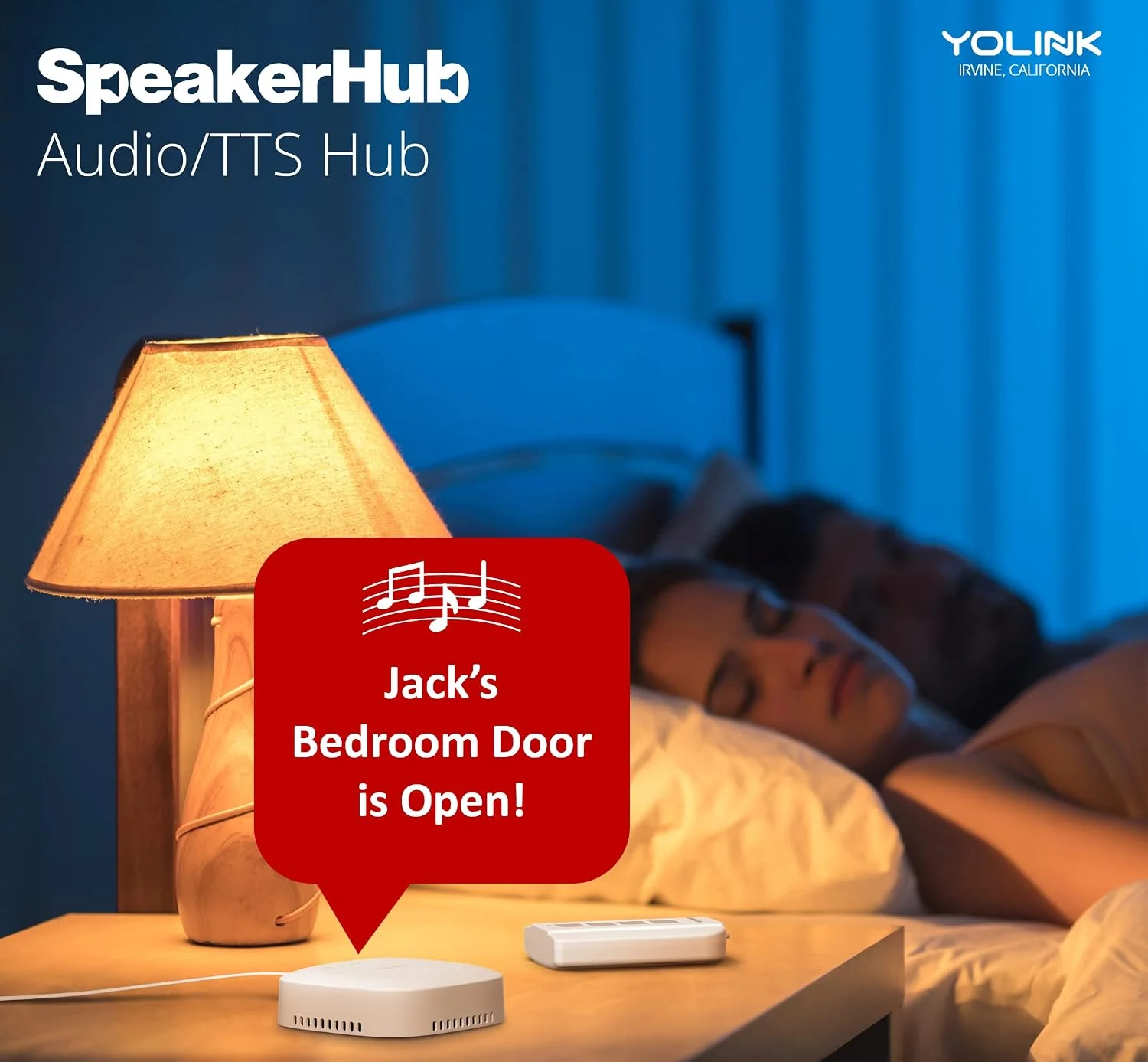
Compact and powerful, the SpeakerHub acts as your central notification center.
Privacy First Design
At YoLink, we prioritize your security and your privacy. The SpeakerHub is purposefully engineered without a microphone. It cannot listen, record, or store private conversations, allowing you to place it in bedrooms, bathrooms, or sensitive office spaces with absolute confidence that your private life remains private.

Designed for maximum security with zero microphone privacy concerns.
Seamless DIY Installation
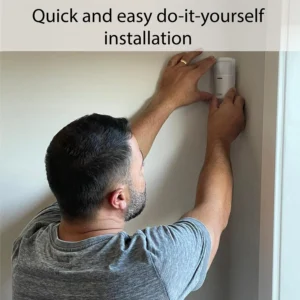
No wiring, no contractors, and no stress. Our system is built for the DIY enthusiast. Simply connect the SpeakerHub to your 2.4GHz Wi-Fi, place your motion and door sensors where you need them most, and configure your settings in minutes via our user-friendly mobile app. It is the perfect entry-level system for renters and homeowners alike.
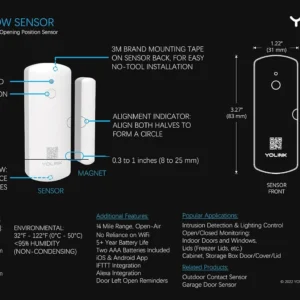
Fast, drill-free installation for windows and doors.
Advanced Sensor Capabilities
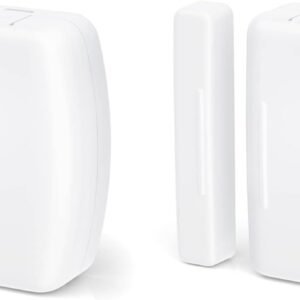
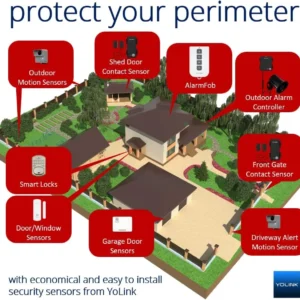
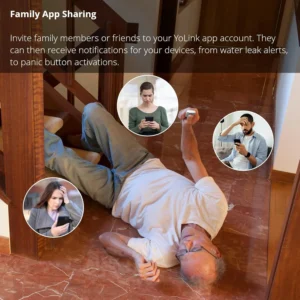
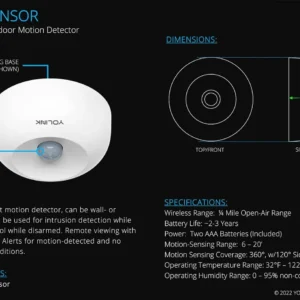
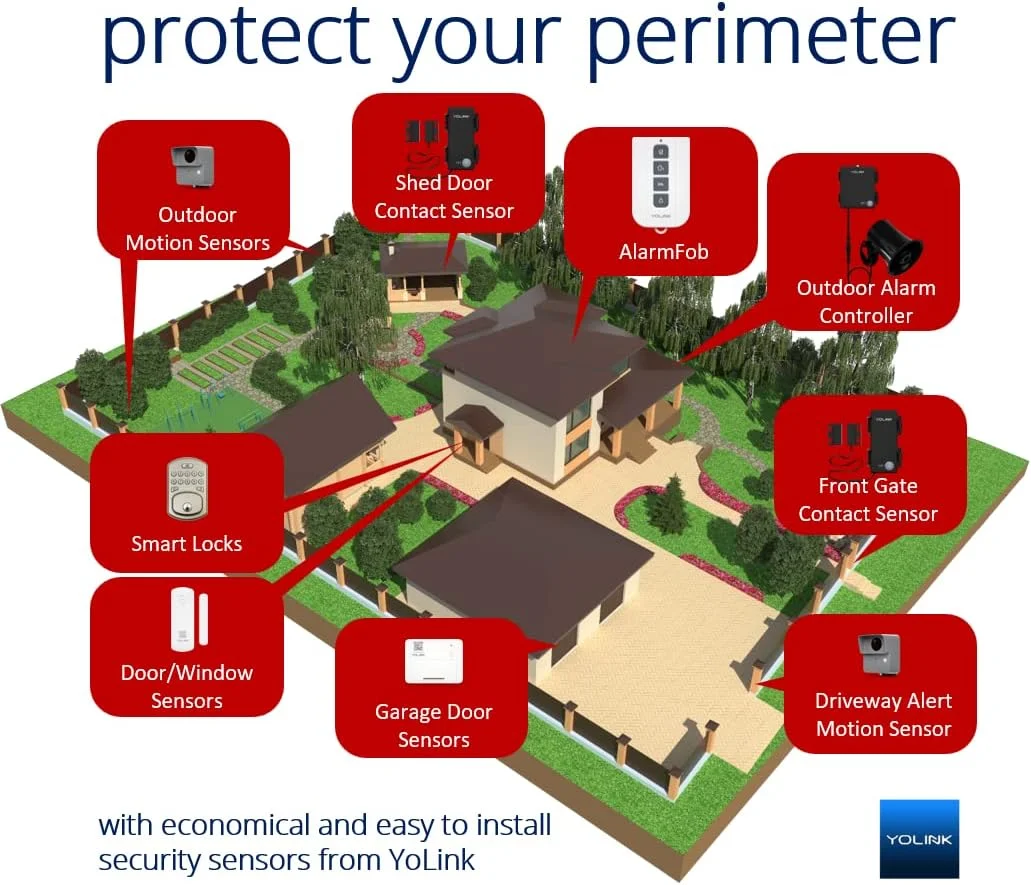
This kit includes precision sensors designed to minimize false alarms while maximizing detection. Whether it is a window being opened or movement in a hallway, the YoLink system reacts instantly, sending push notifications and email alerts so you are never left in the dark about what is happening at home.
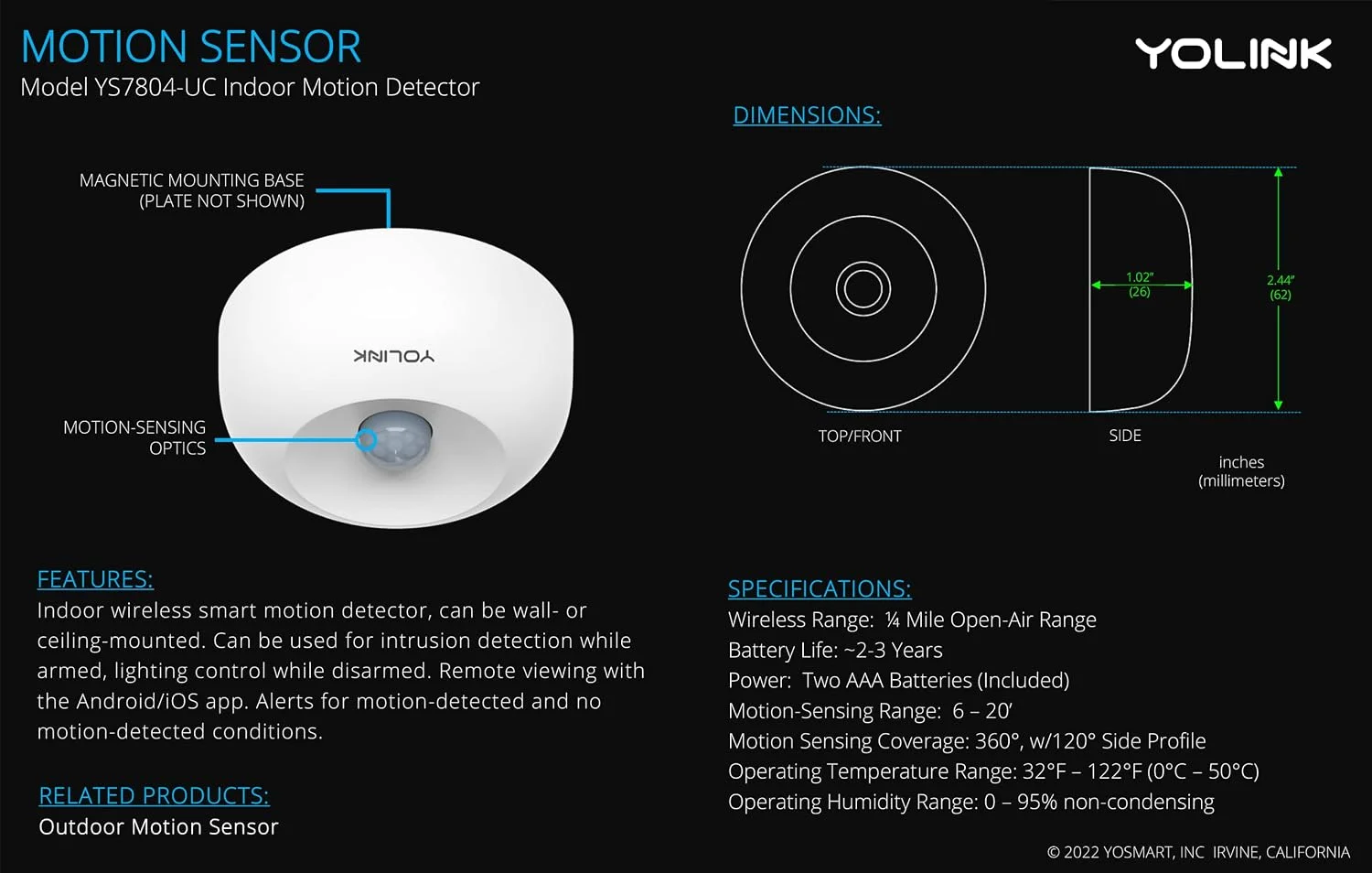
Precision motion and door sensors for comprehensive coverage.
Built for Reliability
While the system leverages a stable 2.4GHz Wi-Fi connection, the smart design ensures your home security remains robust and responsive. Portable, handsome, and less than 3 inches wide, the SpeakerHub fits perfectly into any corner of your living room or office, serving as a vigilant guardian for your property.
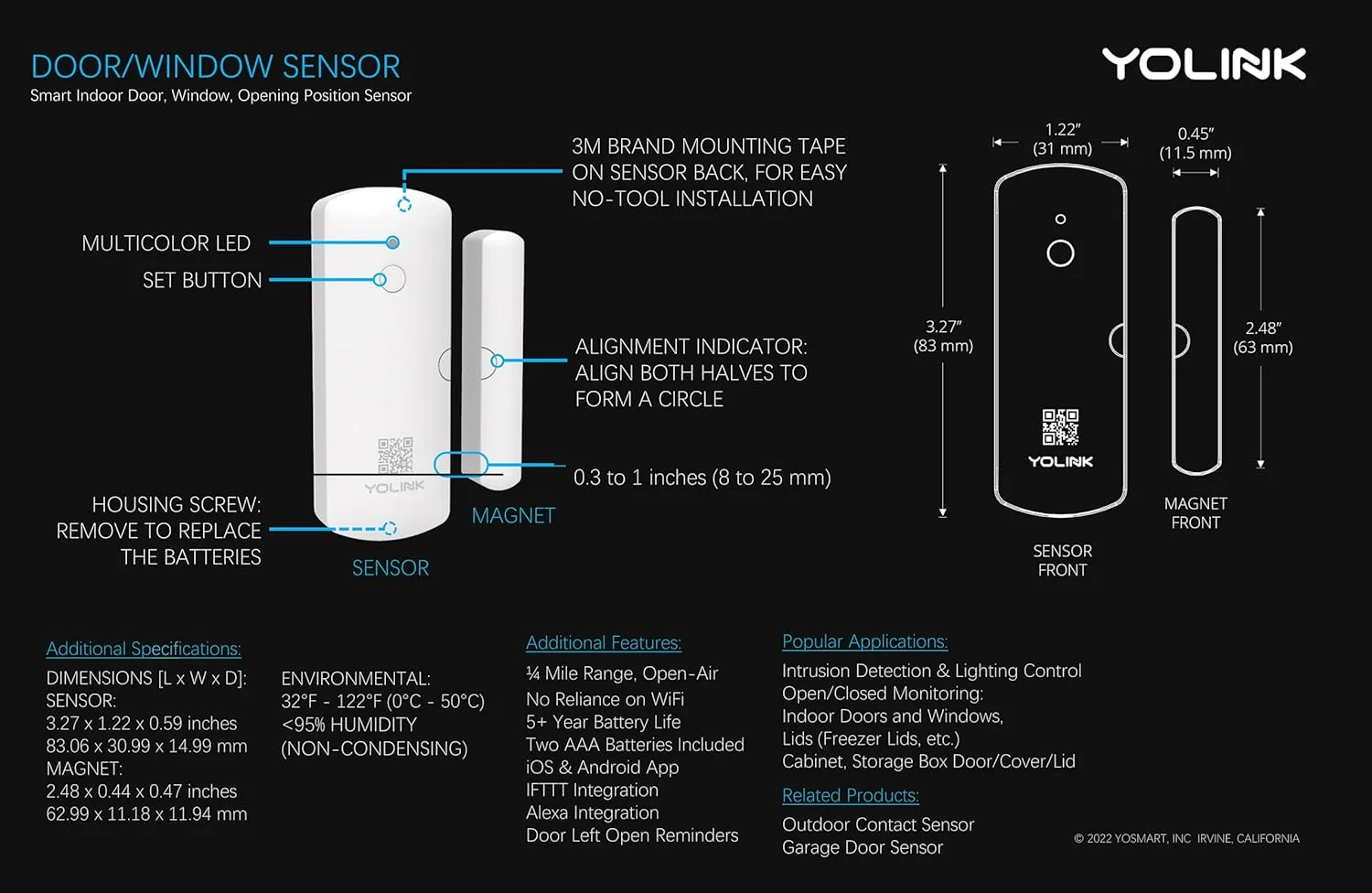
A discreet, modern security solution for any home environment.