

Technical Review & Analysis
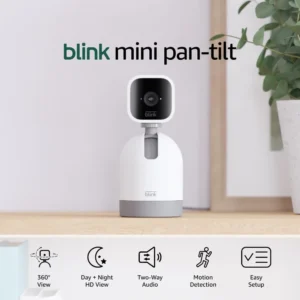
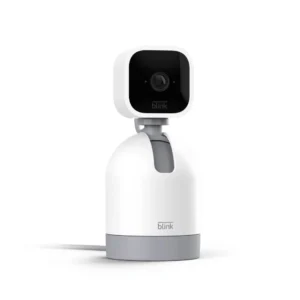
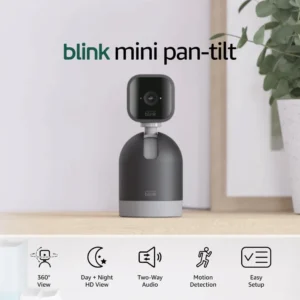
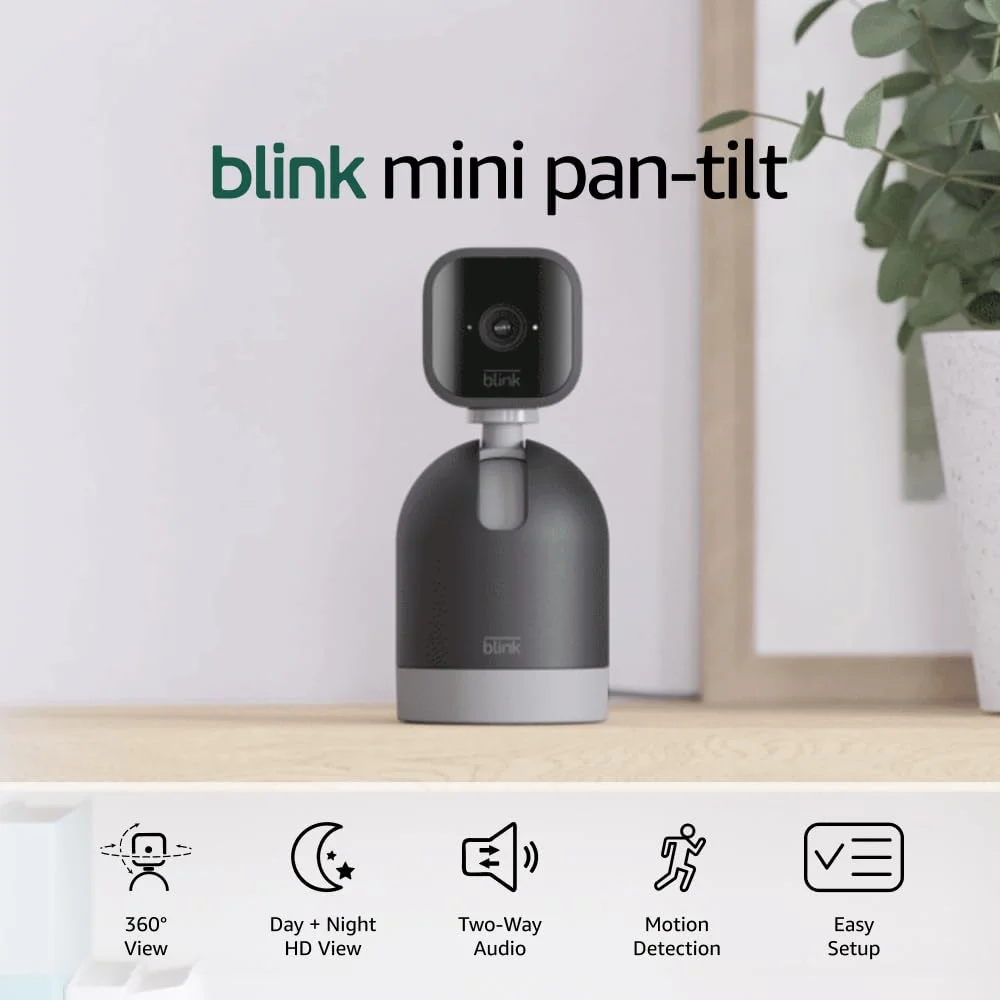
Experience total peace of mind with the newest Blink Mini Pan-Tilt Camera, the ultimate solution for comprehensive indoor monitoring. Whether you are checking on pets, keeping an eye on your home while traveling, or managing security for an off-grid living space, this compact powerhouse delivers 360-degree coverage directly to your smartphone. With effortless setup and crystal-clear HD day and night vision, you’ll never miss a moment of what matters most.
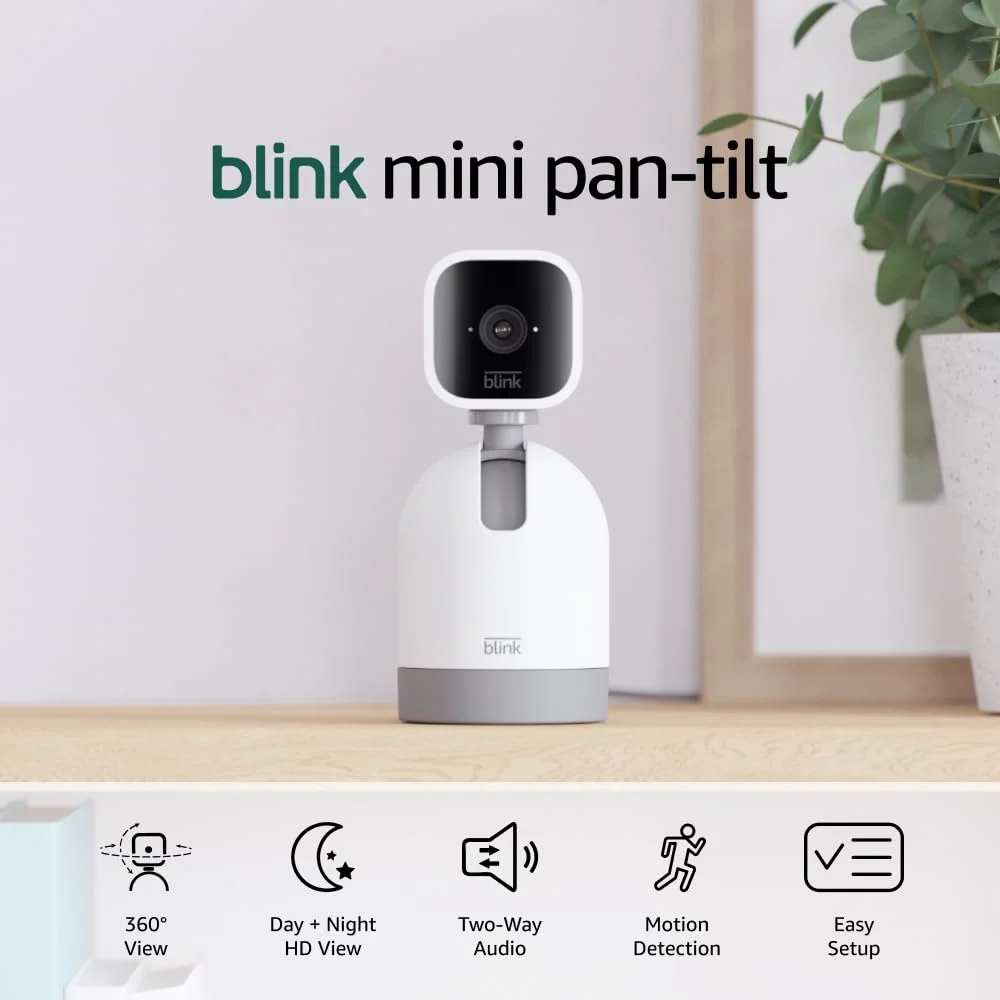
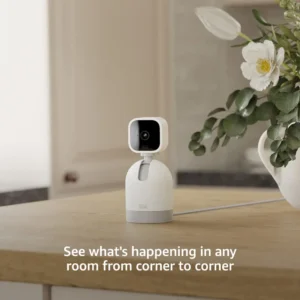
Complete 360-degree control for total indoor visibility.
Contents
Total Room Coverage at Your Fingertips
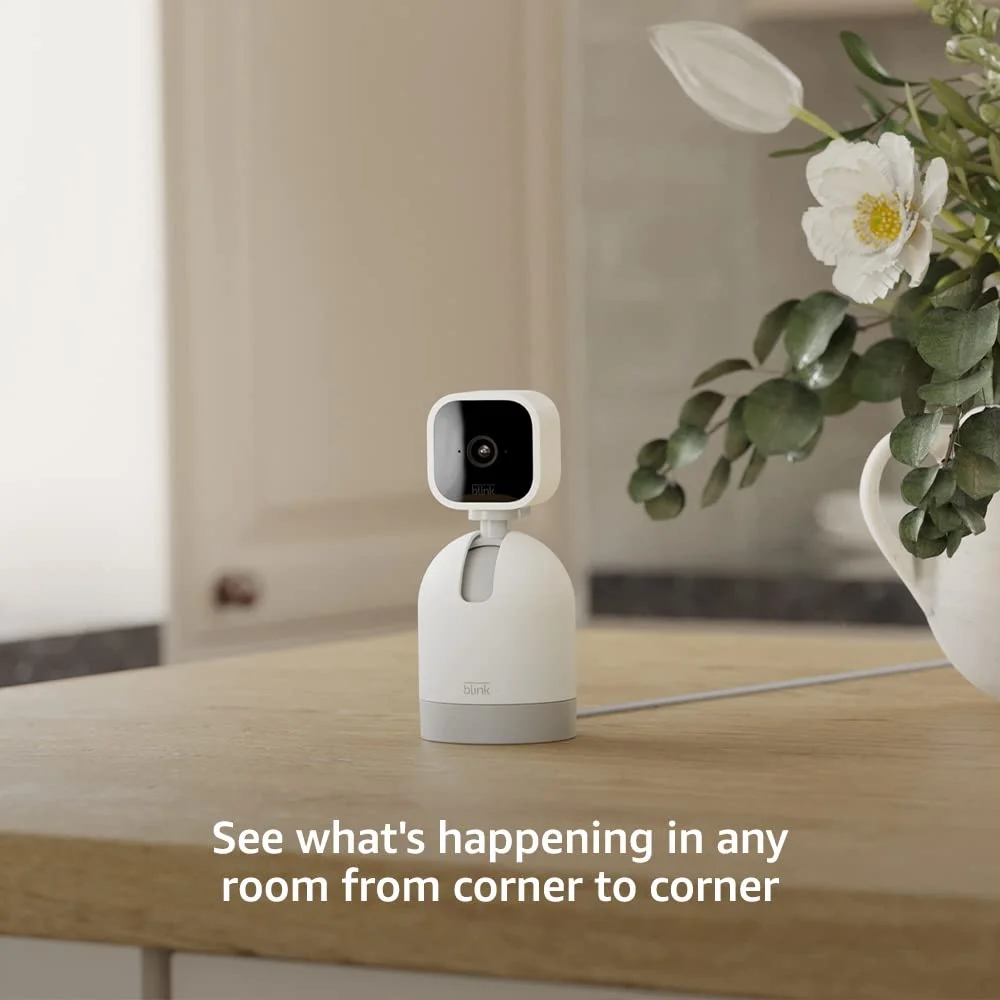
Gone are the days of blind spots. The Blink Mini Pan-Tilt allows you to remotely pan left and right, and tilt up and down through the intuitive Blink app. Gain a full view of your living area, nursery, or office with ease. The high-definition video quality ensures that even in low light, the infrared night vision keeps your home under a watchful eye 24/7.
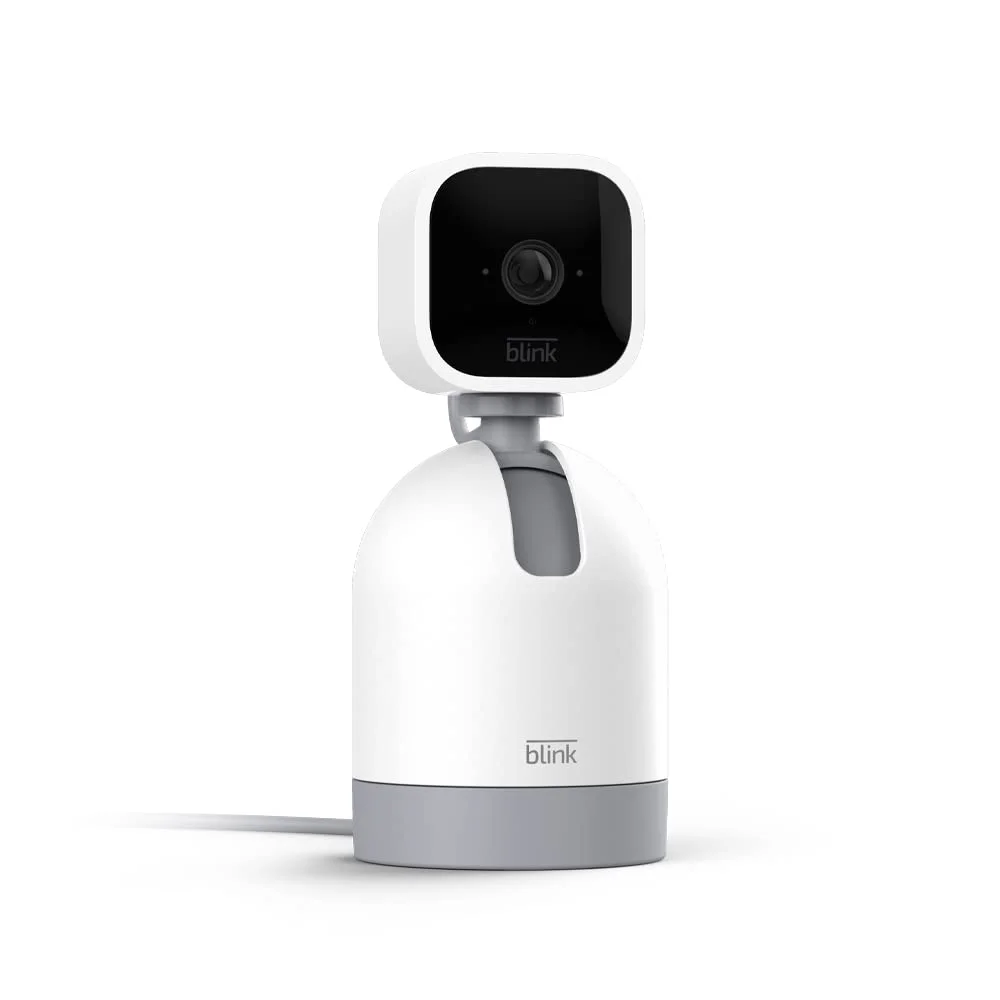
Pan and tilt remotely via the smartphone app.
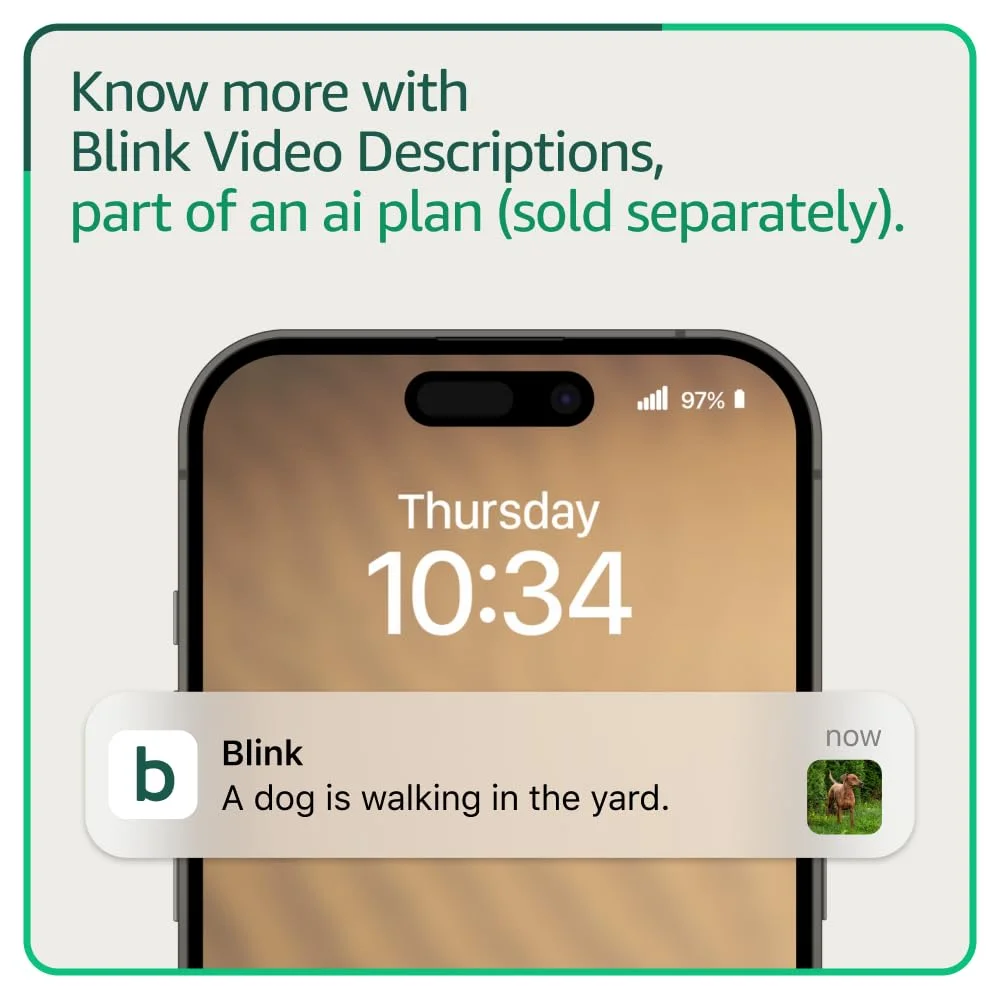
Real-Time Alerts and Two-Way Communication
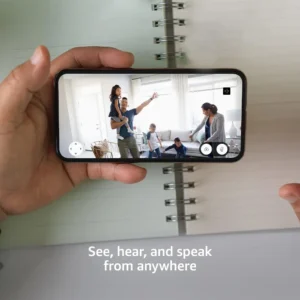
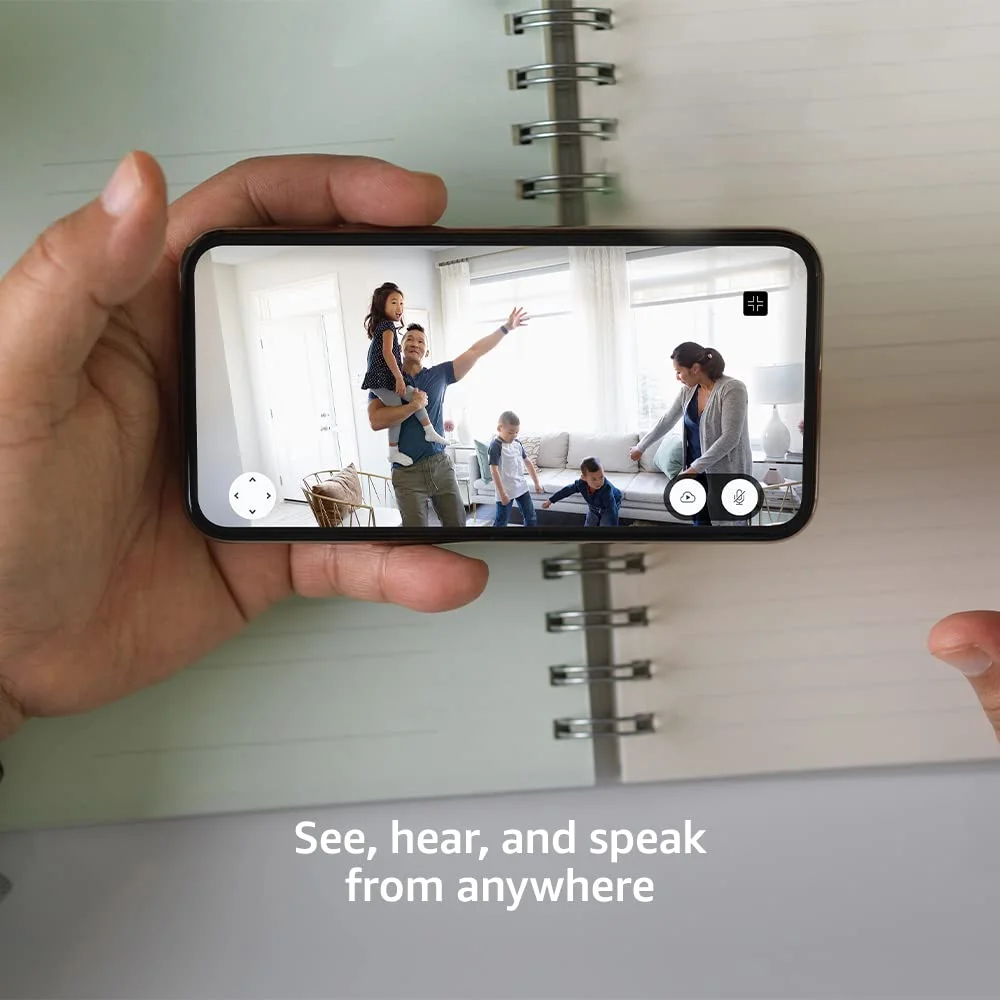
Stay connected to your home no matter where you are. Receive instant motion alerts on your mobile device the moment activity is detected. With the built-in two-way audio feature, you can hear what’s happening in real-time and speak to family members or pets, effectively bridging the distance between you and your home.
Communicate clearly with two-way audio features.
Flexible Storage Solutions
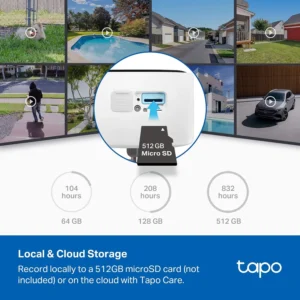
We believe your data should be accessible on your terms. Save and share your video clips easily. You can utilize a free 30-day trial of the Blink Subscription Plan for cloud storage, or opt for local storage using the Sync Module 2 and a USB drive (sold separately) for a subscription-free experience—a preferred choice for those seeking independent off-grid security systems.
Choose between cloud or local storage for your footage.
Seamless Integration with Alexa
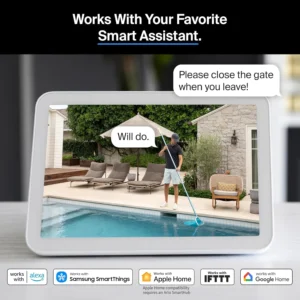
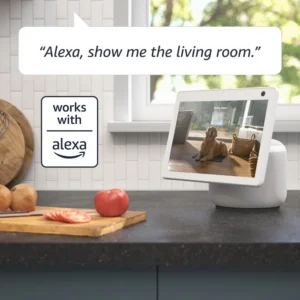
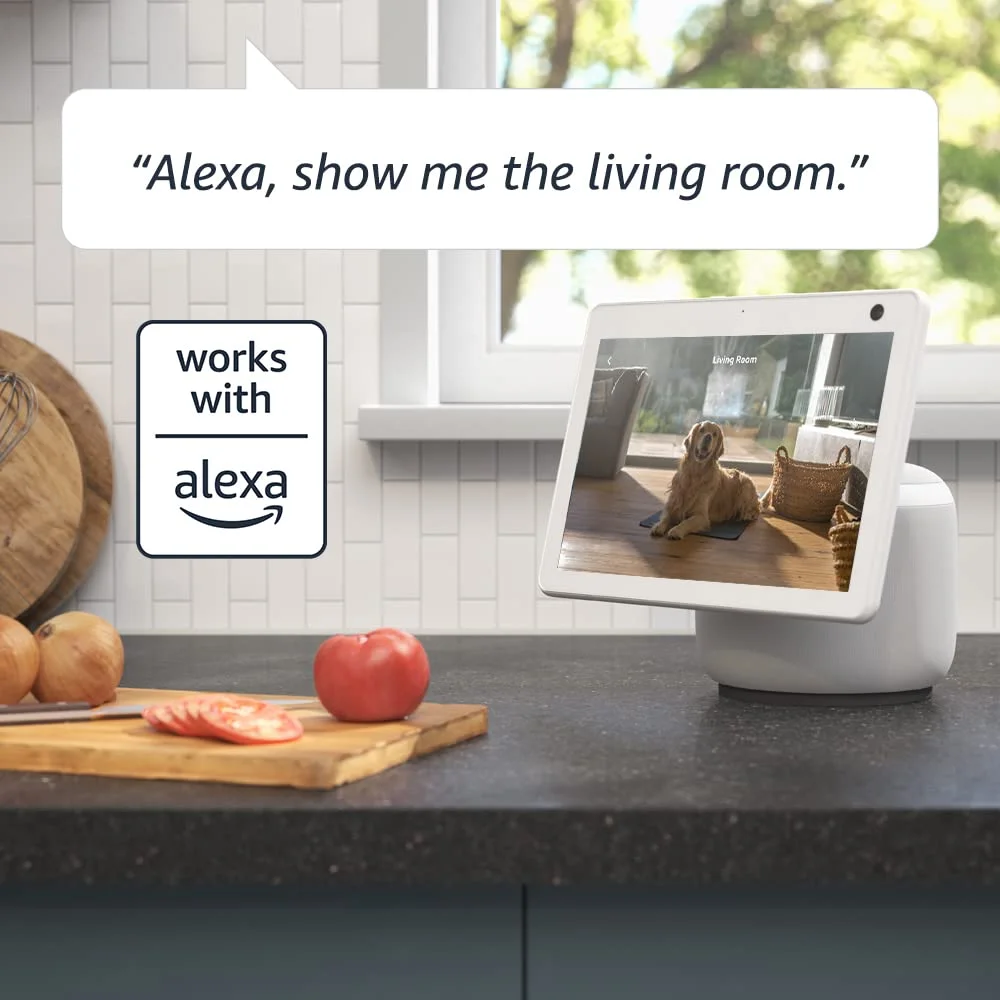
Elevate your smart home ecosystem by connecting your Blink Mini to Alexa-enabled devices. Stream live video directly to your Echo Show, arm or disarm your system using simple voice commands, or receive instant notifications. It is the perfect blend of security and convenience for any modern residence.
Voice-controlled security via your Echo devices.
Simple DIY Installation
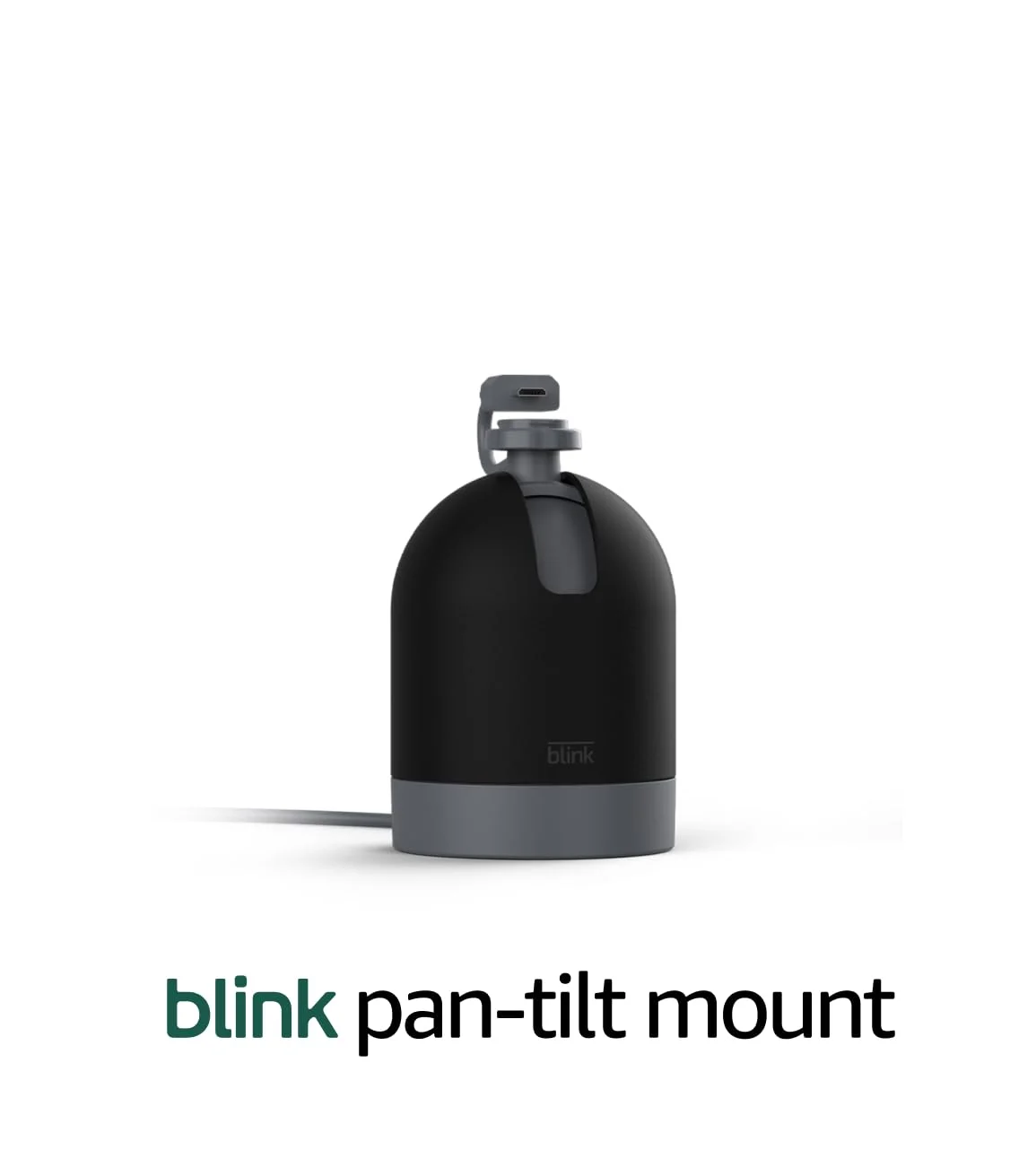
Designed for pragmatism, the Blink Mini Pan-Tilt system is ready to go in minutes. Simply plug the device into a power outlet, connect to your home Wi-Fi via the app, and follow the guided prompts. The package includes the camera, the Pan-Tilt mount, the USB cable, and the power adapter—everything you need to get started immediately.
Install in minutes with a simple plug-and-play process.
All components included for a quick setup.