
Technical Review & Analysis
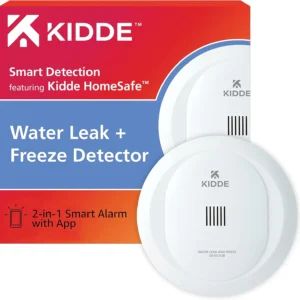
Stop catastrophic water damage before it starts with the Kidde WiFi Water Leak and Freeze Detector. Whether you are at home or halfway across the world, this intelligent sensor acts as your first line of defense, monitoring vulnerable areas of your property for moisture or plummeting temperatures. By providing immediate alerts directly to your smartphone, it empowers you to take decisive action before a small drip turns into a costly home repair.
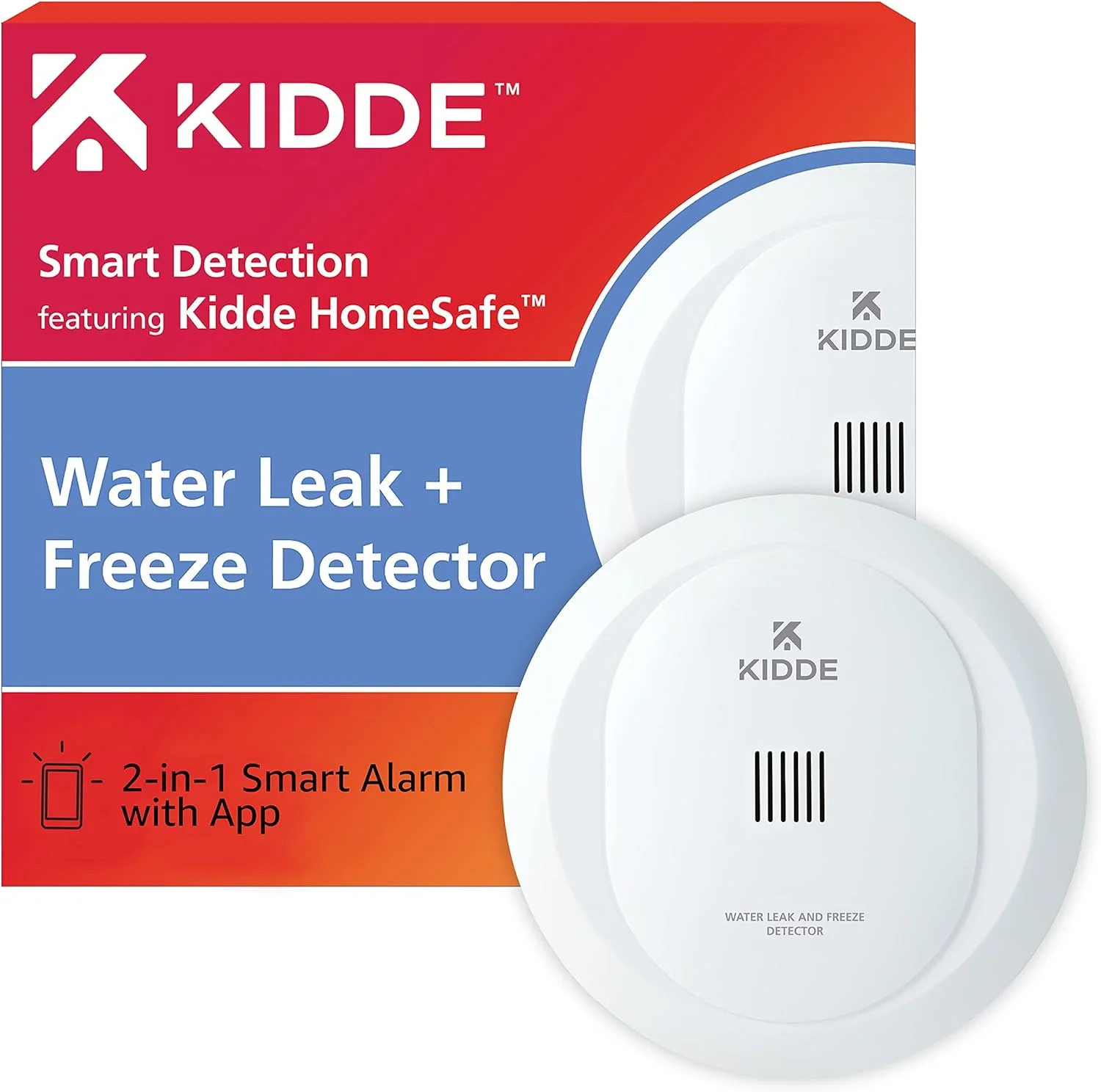
Compact, discreet design for total home coverage.
Contents
Early Detection Prevents Costly Damage
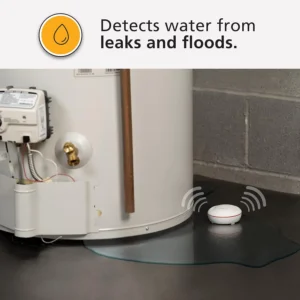
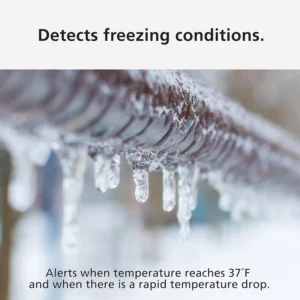
Water damage is one of the leading causes of home insurance claims. This device detects even the smallest leaks, allowing you to address issues like failing sump pumps or loose supply lines immediately. Beyond moisture, the integrated freeze sensor monitors your environment, alerting you when temperatures drop to 37°F or when a rapid temperature plunge is detected, helping you prevent frozen and burst pipes during the winter months.
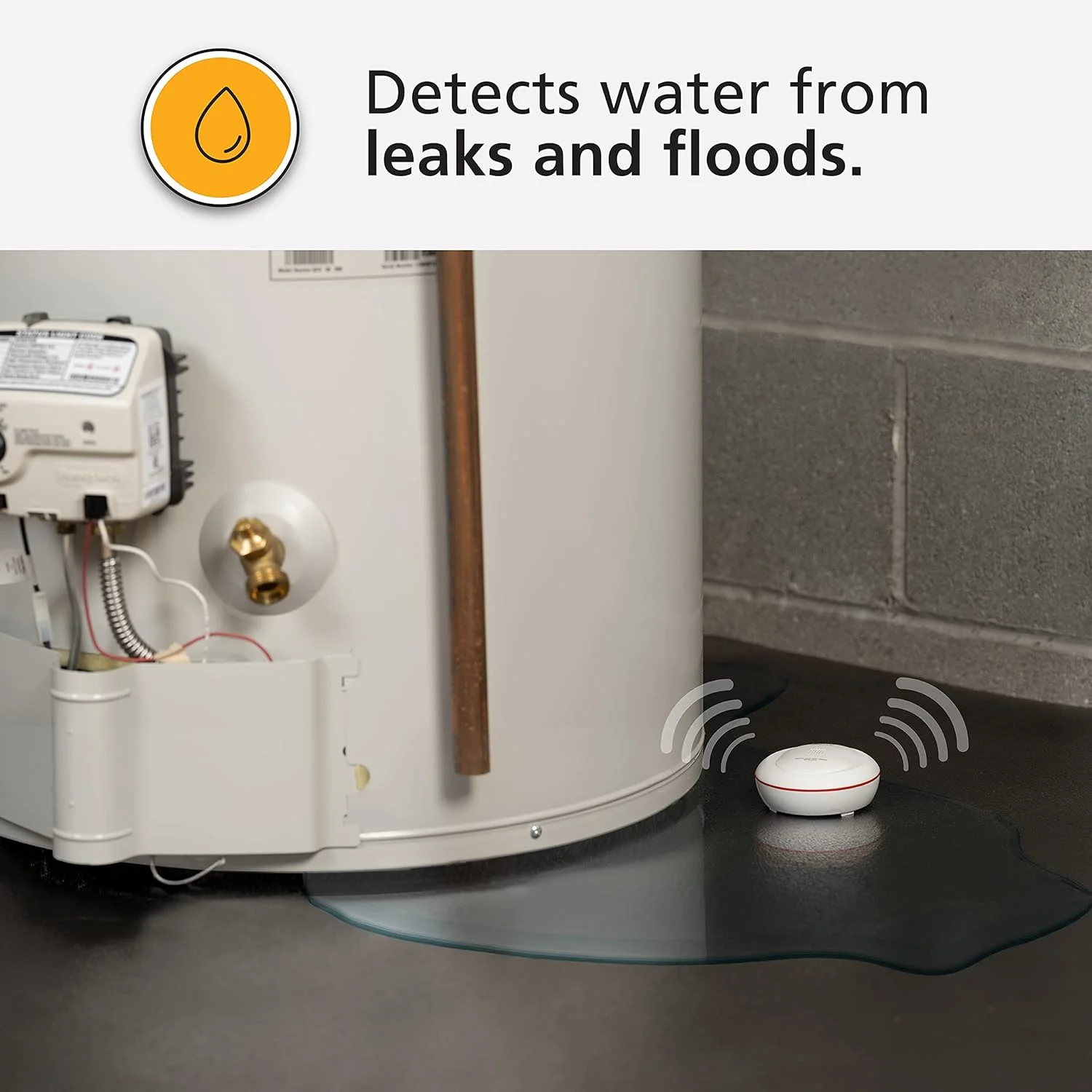
Perfect for placement under sinks, near water heaters, and in basements.
Seamless Smart Home Integration
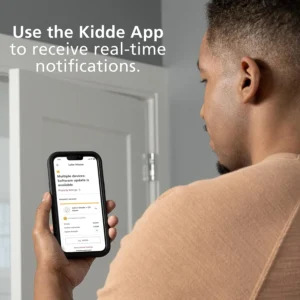
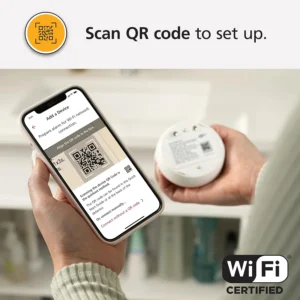
The Kidde app makes setup effortless. Simply download, scan, and connect to your home WiFi network. Once integrated, you can receive real-time notifications, and even share alerts with friends and family. This device is fully compatible with Amazon Alexa and Google Home, allowing you to incorporate water security into your existing smart home routines for complete peace of mind.
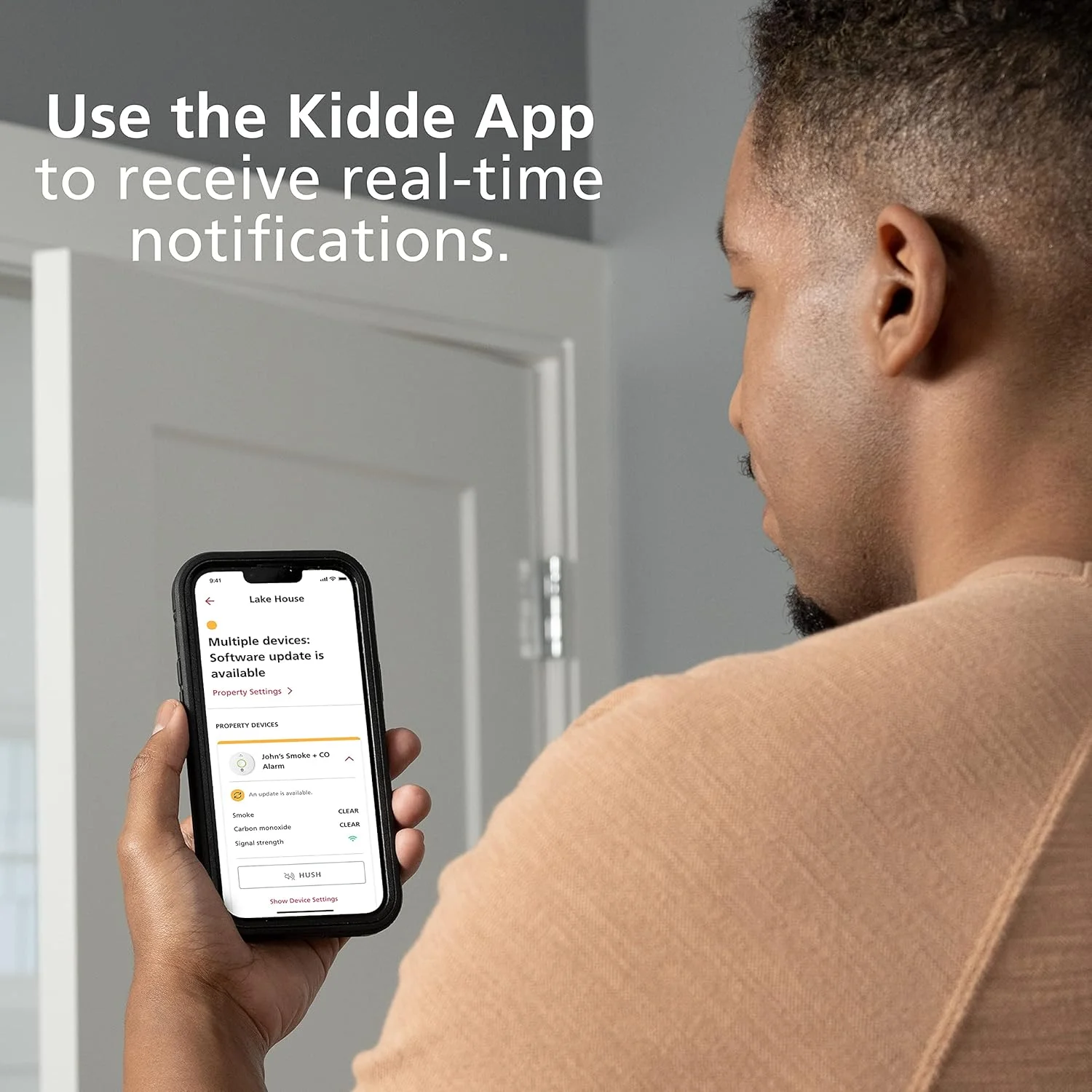
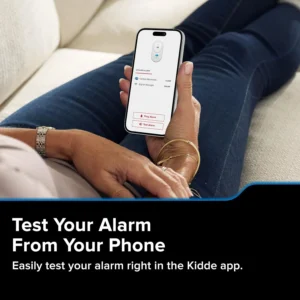
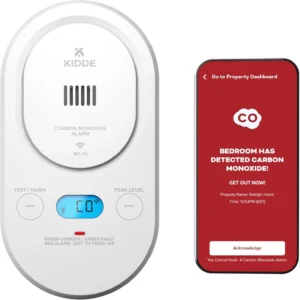
Receive instant alerts on your smartphone anywhere in the world.
Designed for Versatility and Reliability
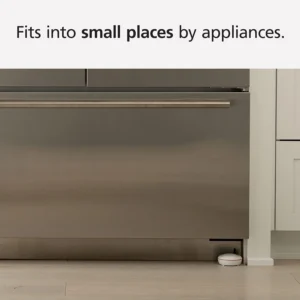
Engineered for practicality, this detector is battery-powered, meaning it remains operational even if your main power goes out during a storm. The sleek, low-profile design fits seamlessly into tight spaces like crawlspaces, laundry rooms, or behind appliances, ensuring that your security doesn’t compromise your home aesthetics.
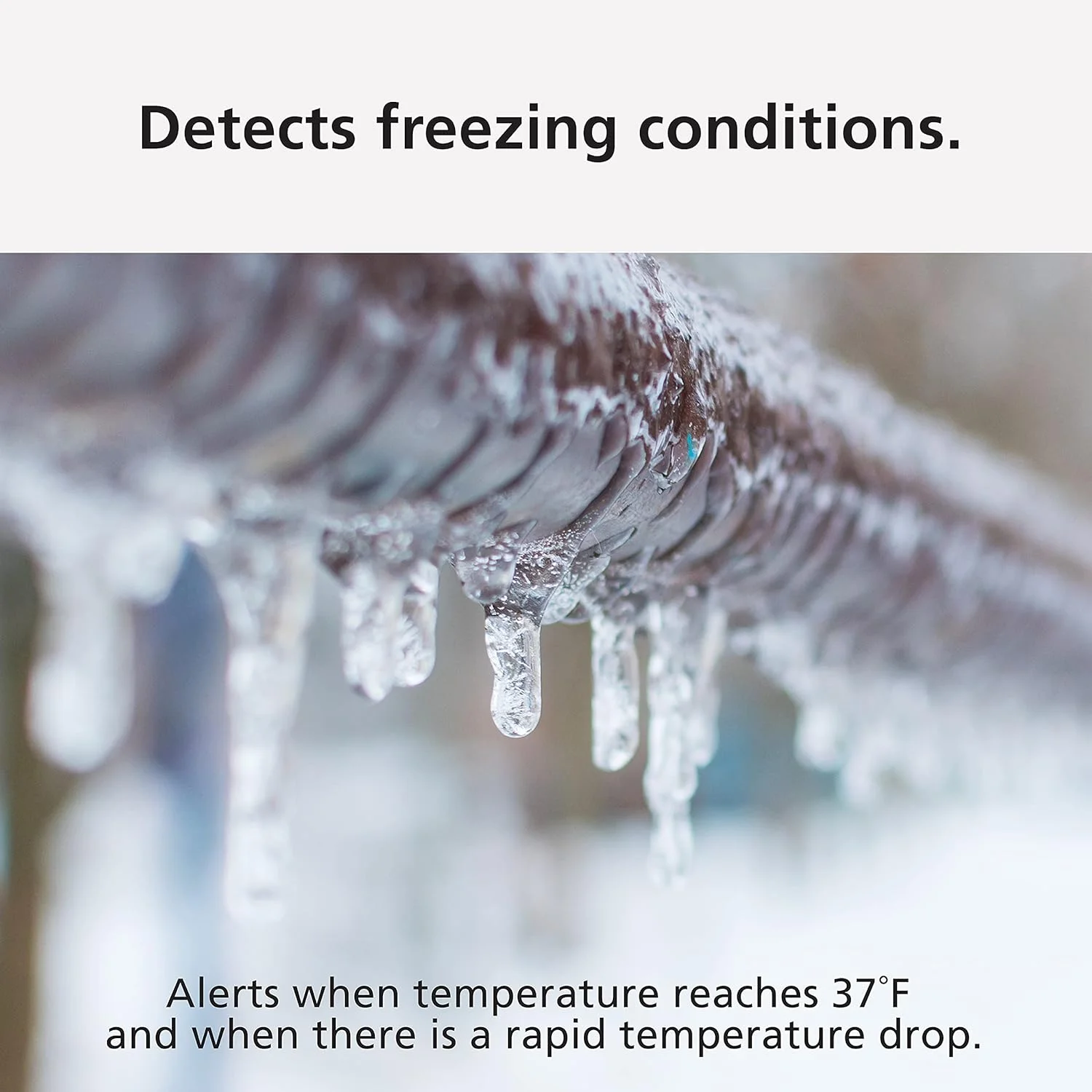
The ultimate safeguard for your home’s water infrastructure.
Why Choose Kidde Smart Security?
When it comes to property protection, you need hardware you can trust. Kidde has long been a leader in home safety, and this smart detector continues that legacy. With a 1-year limited manufacturer warranty, you get the assurance of quality engineering that stands up to the demands of daily home monitoring.
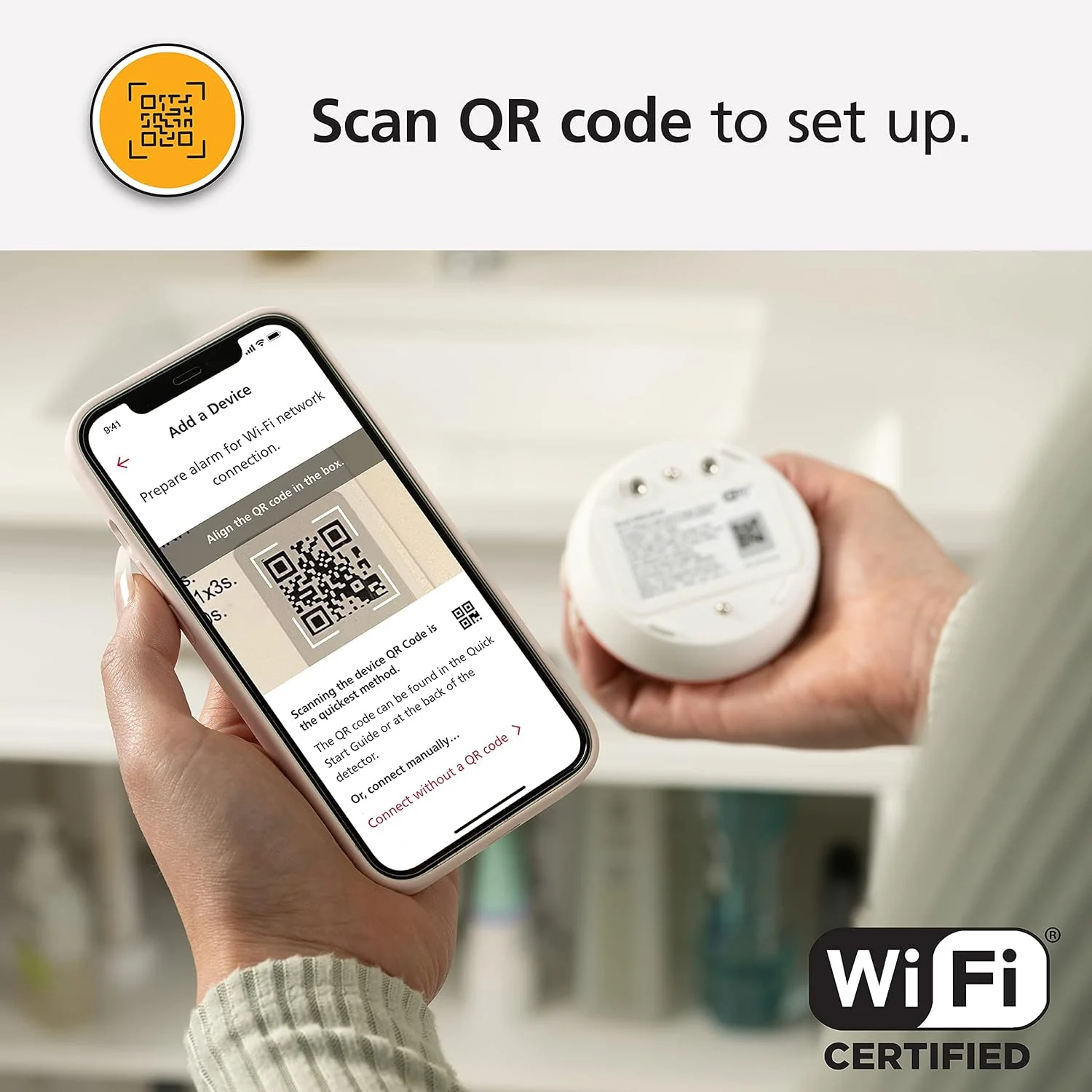
Simple QR-code installation makes setup a breeze.
Key Technical Highlights
- Dual Protection: Detects both water presence and freezing temperatures.
- WiFi Connectivity: No hub required; connects directly to your smartphone.
- Smart Home Ready: Works with Alexa and Google Home for voice-activated status updates.
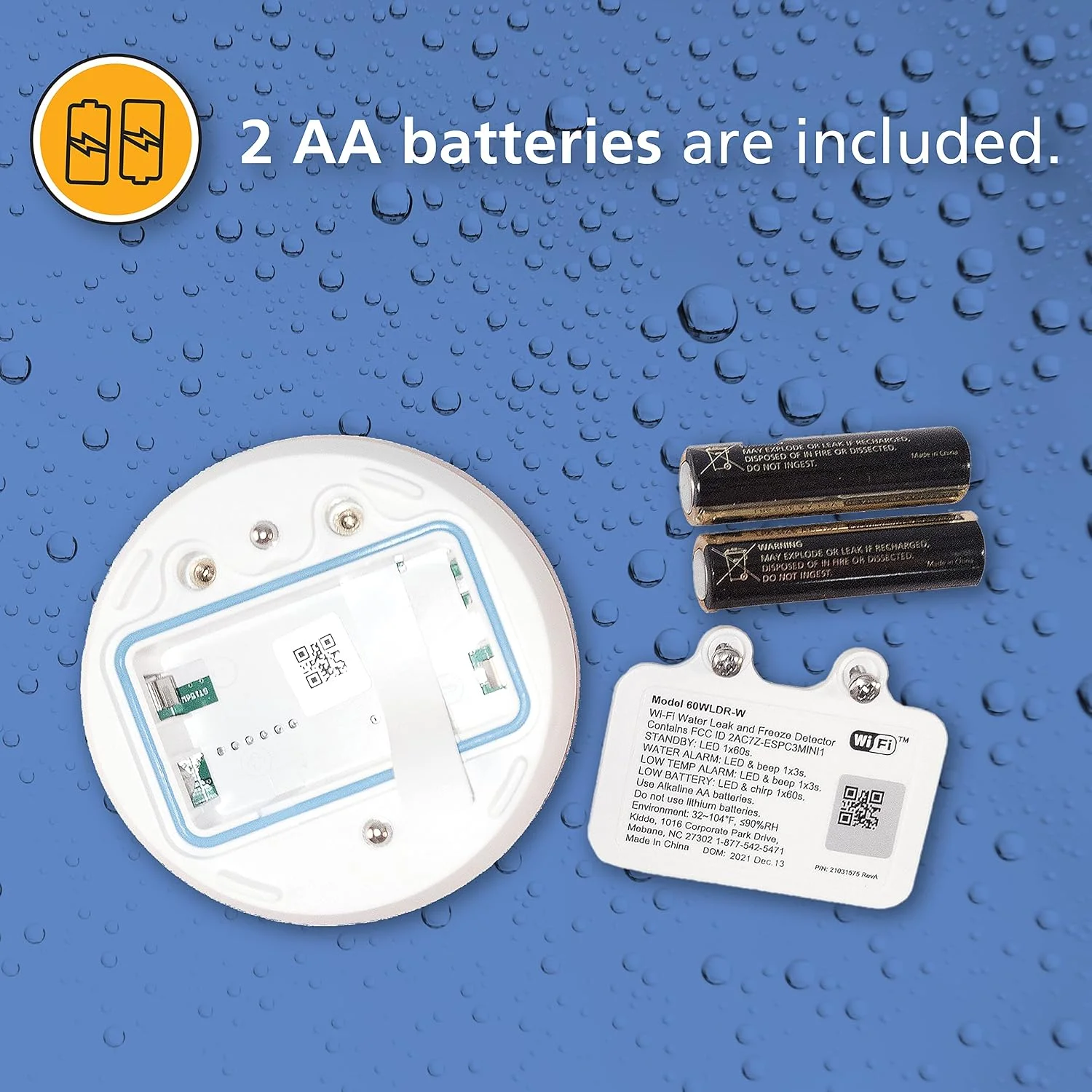
- Battery Powered: Two AA batteries included for reliable, independent operation.

Integrate with your smart home ecosystem for comprehensive coverage.
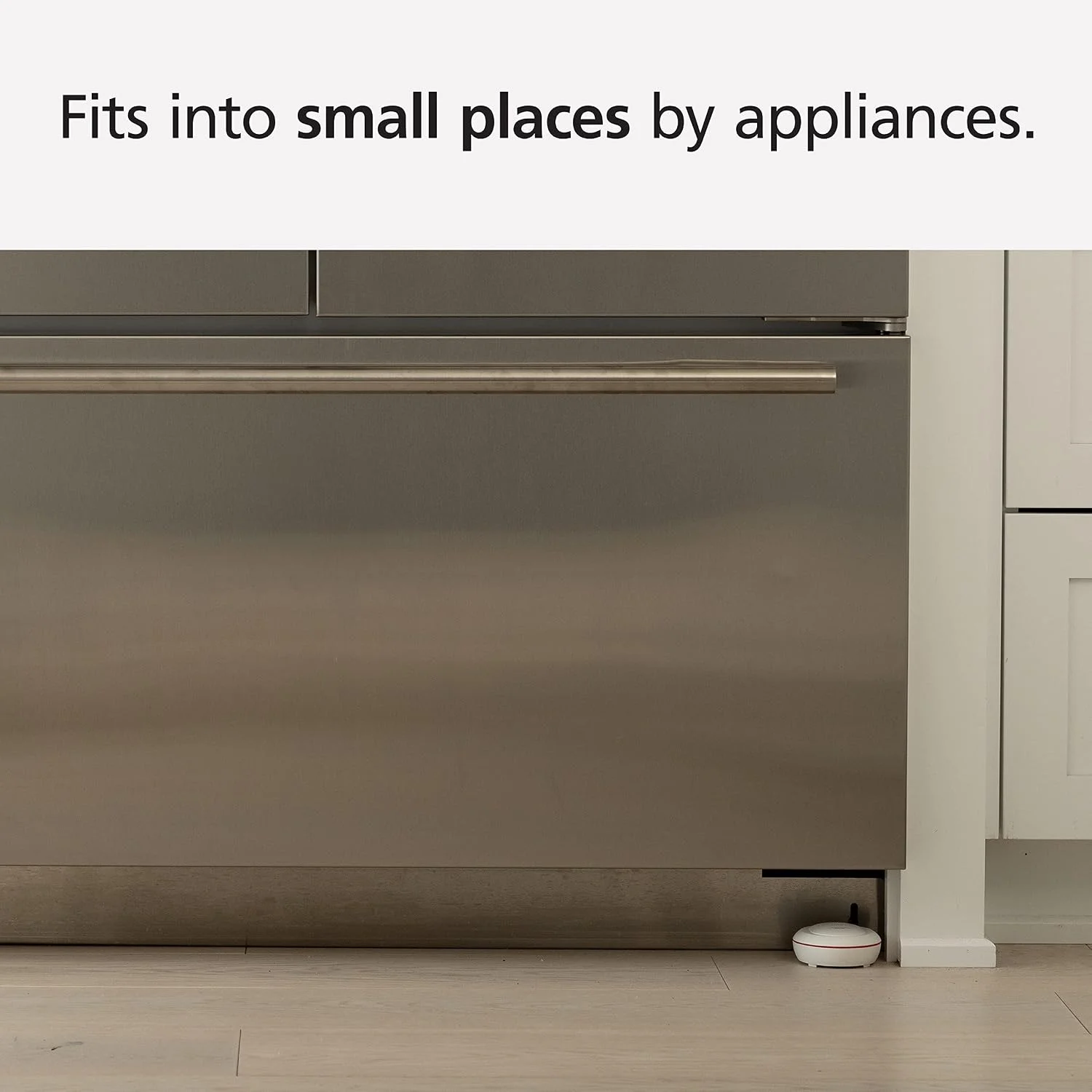
Trusted protection for your most valuable investment.