
Technical Review & Analysis
Transform your existing deadbolt into a powerful, connected security hub in minutes without the need for hardware replacement or complicated installations. The Yale Approach Smart Wi-Fi Deadbolt offers the ultimate blend of modern convenience and ironclad security, allowing you to manage your home access from anywhere in the world. Whether you are a busy parent, a frequent traveler, or a vacation rental host, this retrofit solution ensures you never have to fumble for keys again while keeping your home’s exterior aesthetic perfectly intact.
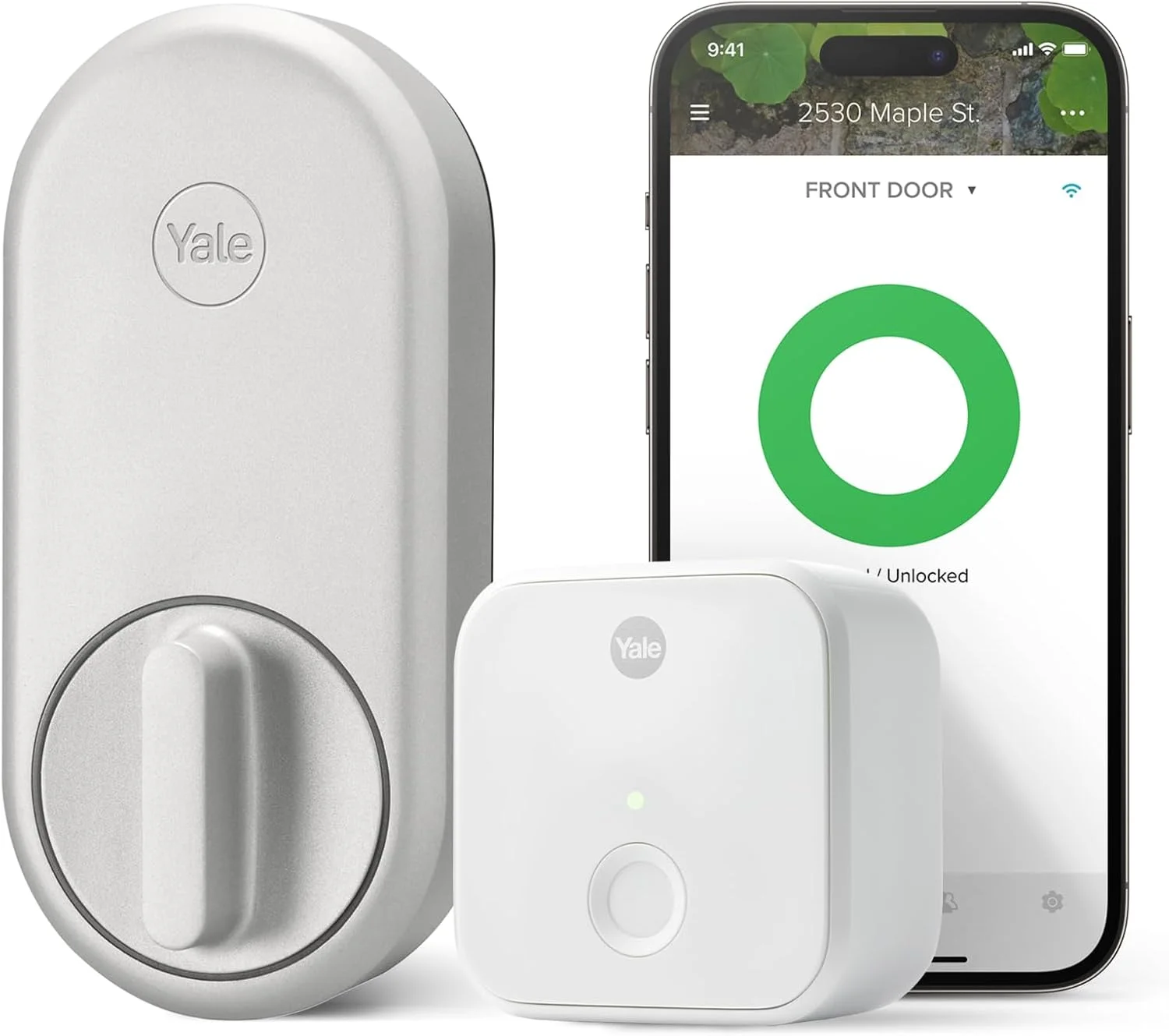
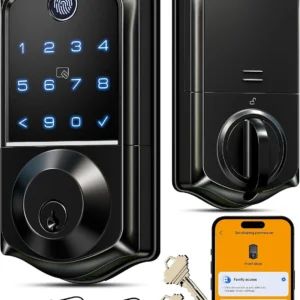
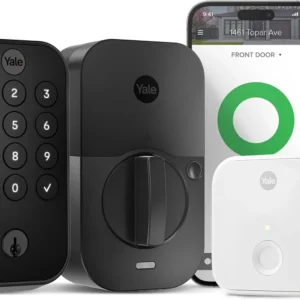
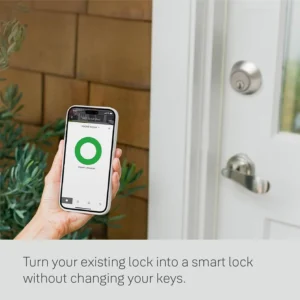
Seamless retrofit design installs on the inside of your door.
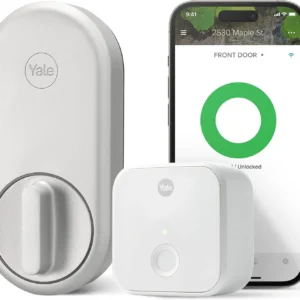
Contents
Effortless Installation, Zero Hardware Changes
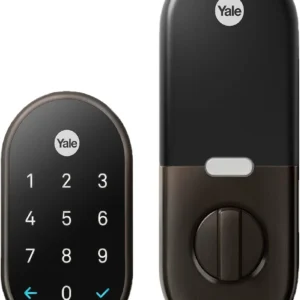
Unlike traditional smart locks that require you to swap out your entire deadbolt, the Yale Approach is designed to work with your current hardware. Because it installs exclusively on the interior of your door, your exterior lock remains unchanged, allowing you to keep your traditional keys as a backup. It is the perfect, budget-friendly way to upgrade to a smart home ecosystem without altering your door’s exterior curb appeal.
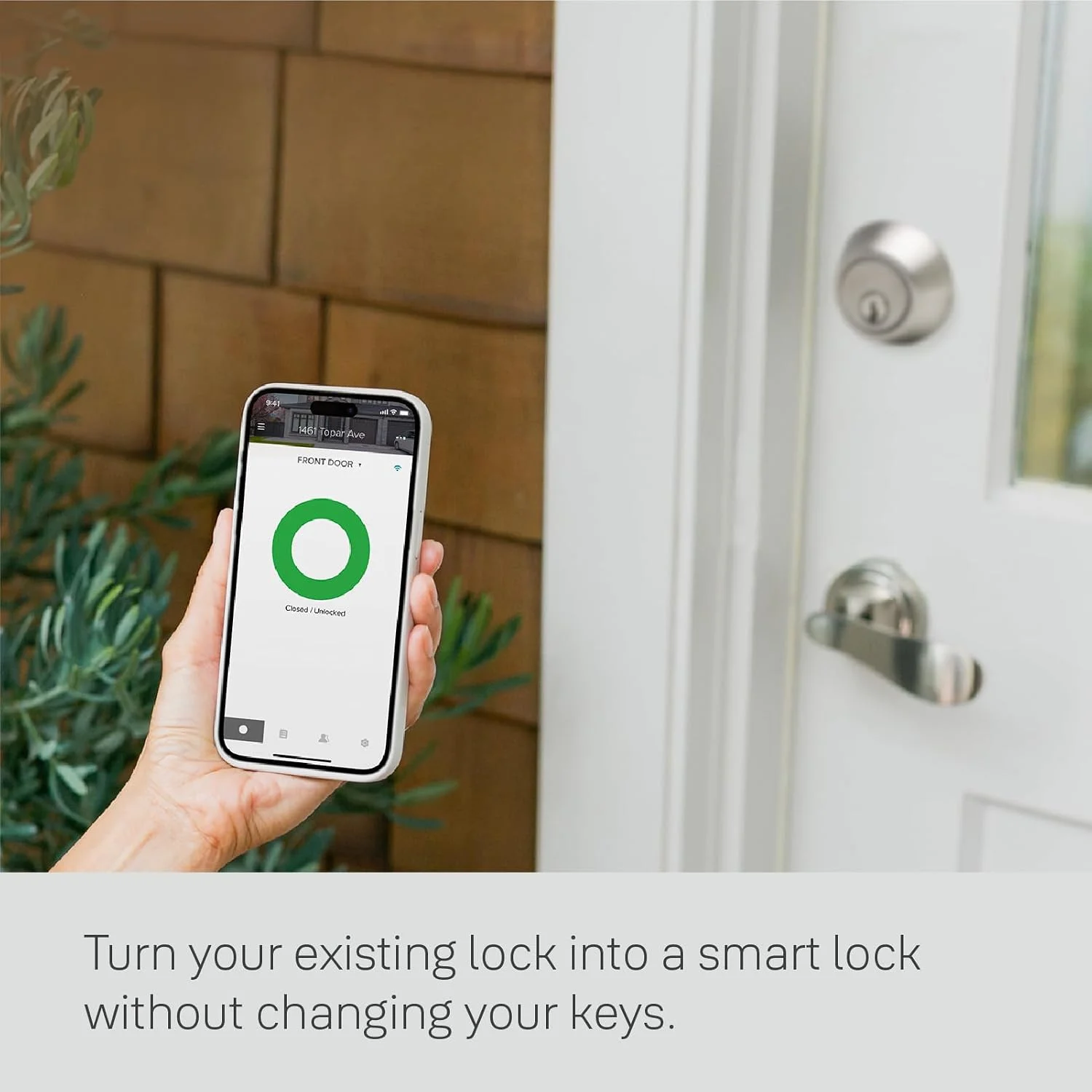
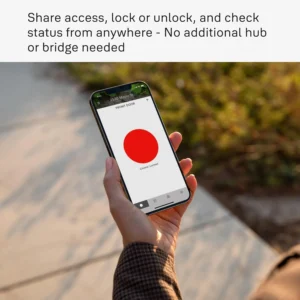
Manage access and view activity logs via the Yale Access app.
Total Control from Anywhere
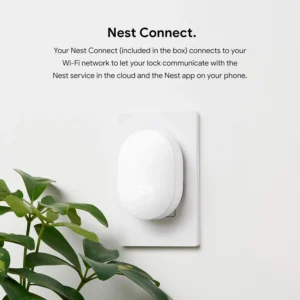
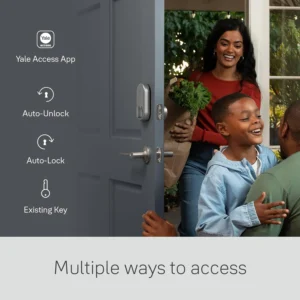
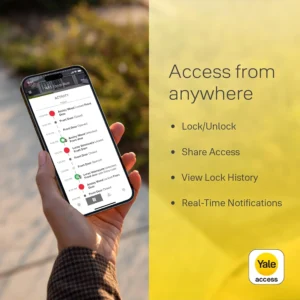
With the included Yale Connect Wi-Fi bridge, you are always connected to your home. The Yale Access app provides you with 24/7 visibility, allowing you to lock or unlock your door remotely, monitor guest access, and receive real-time alerts. Never wonder if you remembered to lock the door again—simply check the app from your office, the gym, or across the globe.

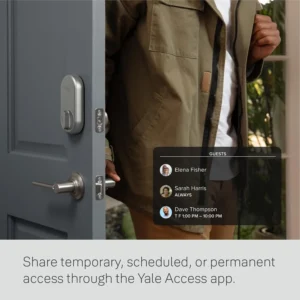
Send unlimited virtual keys to friends, family, or guests.
Unlimited Virtual Keys for Secure Access
Forget the stress of hiding physical spare keys under the doormat. With the Yale Approach, you can generate unlimited virtual keys for family, friends, or short-term rental guests. Set time-bound access schedules to ensure your home is only accessible when you want it to be. It is the smartest way to manage entry for visitors without compromising your peace of mind.
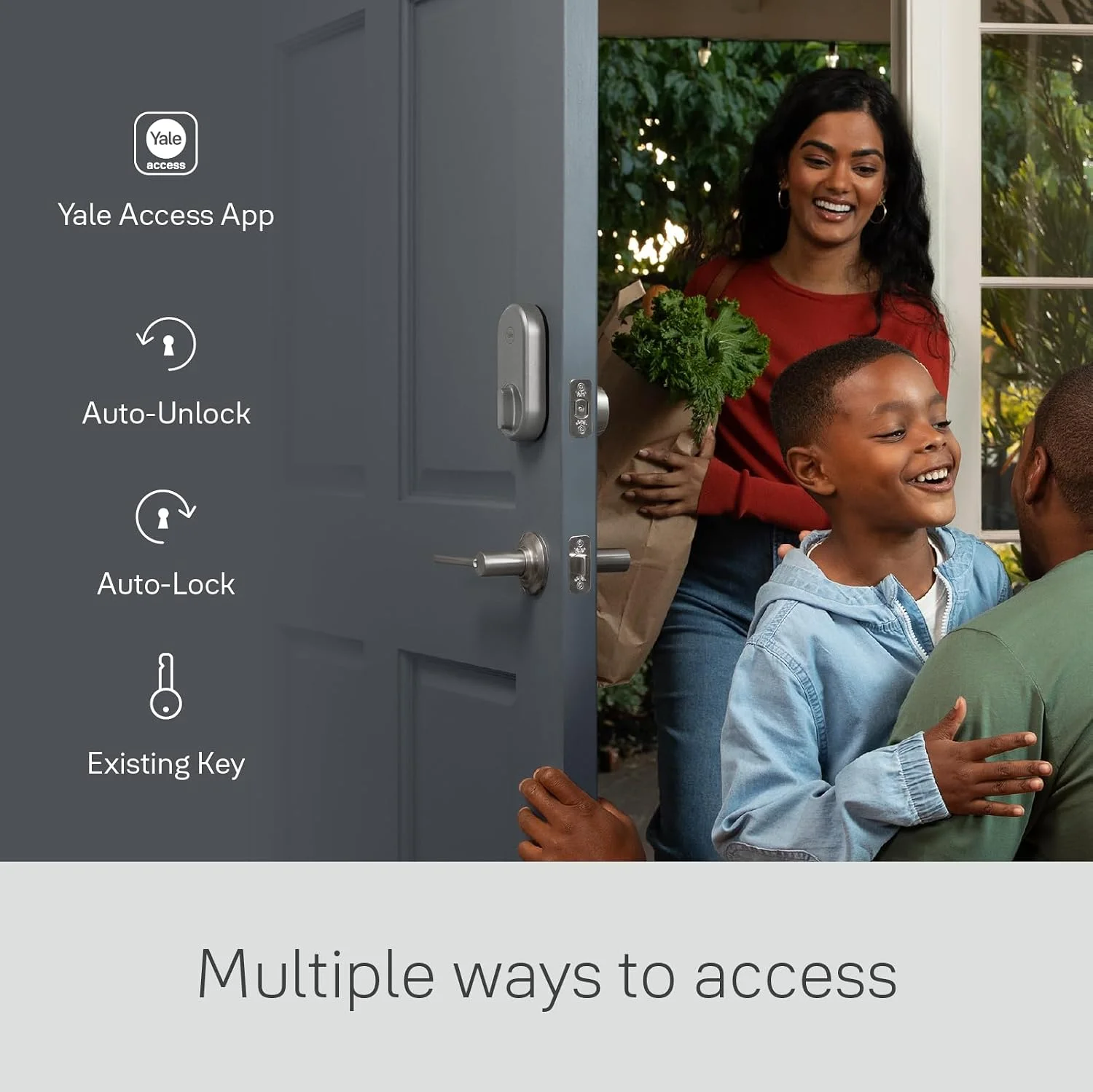
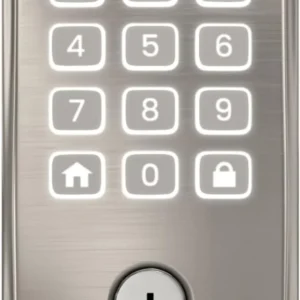
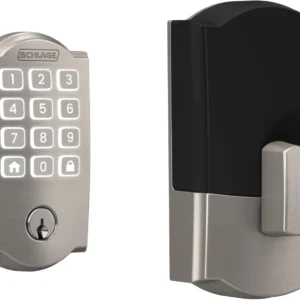
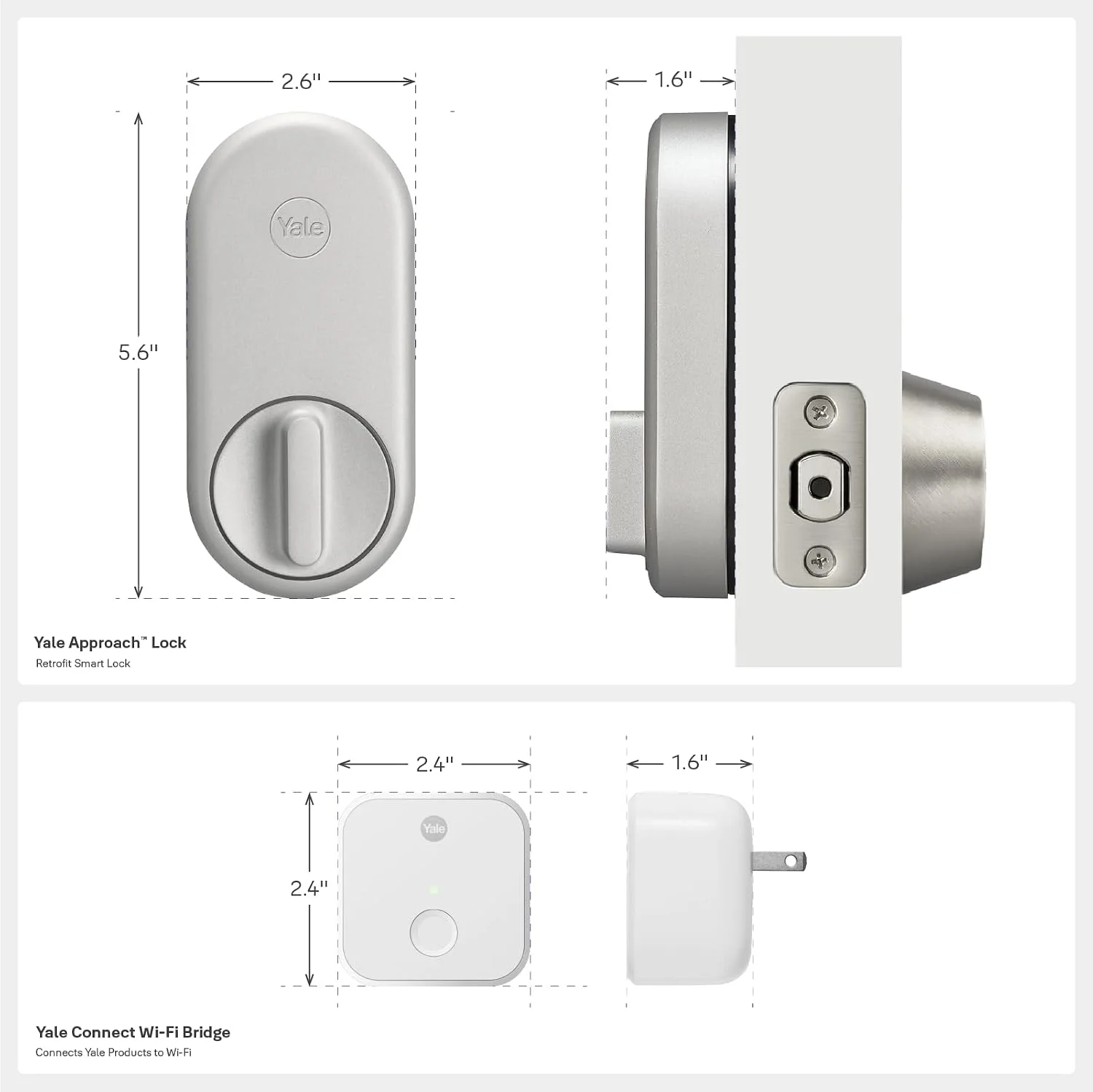
Modern, compact design that blends into any home décor.
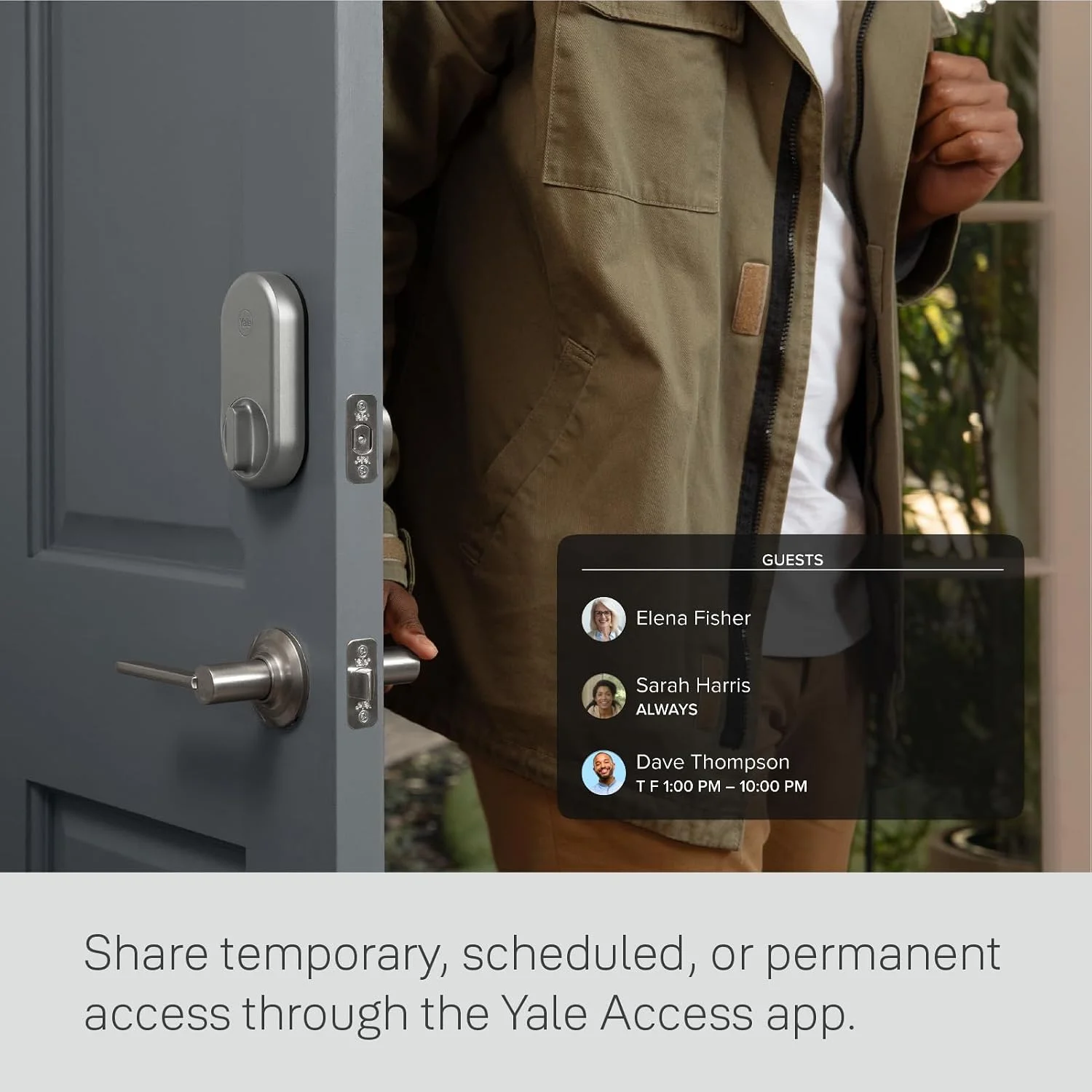
Track who enters and leaves with the detailed Activity Feed.
Advanced Security Meets Modern Design
The sleek, low-profile design of the Yale Approach ensures it integrates perfectly with your existing home decor. We’ve combined cutting-edge encryption technology with a user-friendly interface to provide a security solution that is as reliable as it is simple to operate. By choosing this retrofit lock, you are investing in a smarter, safer future for your household.
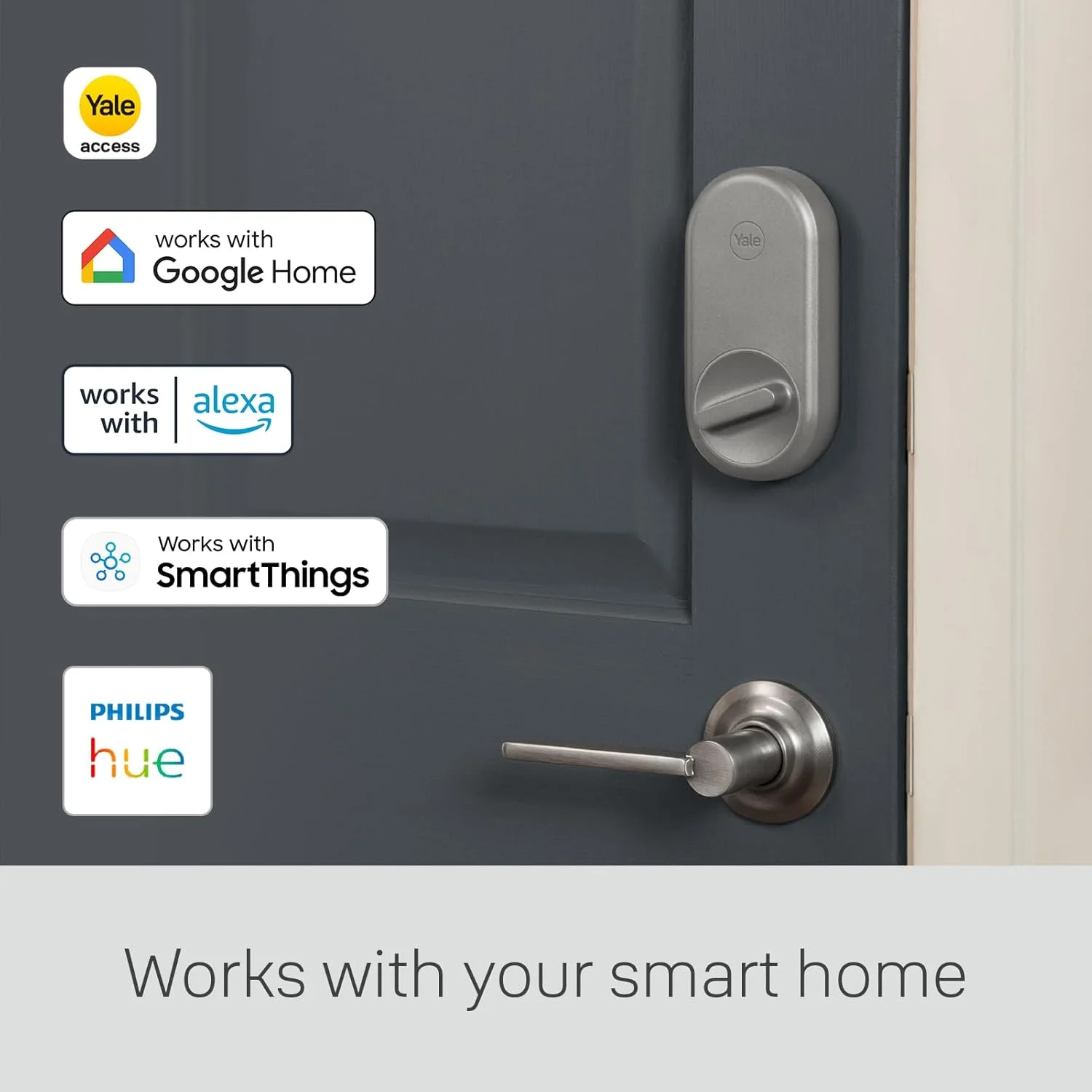
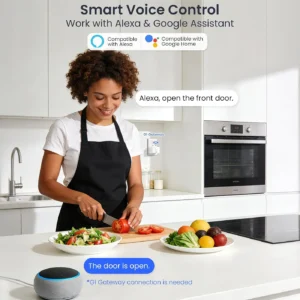
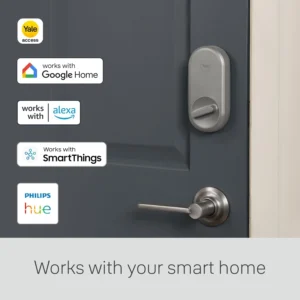
Integrates seamlessly with your broader smart home setup.
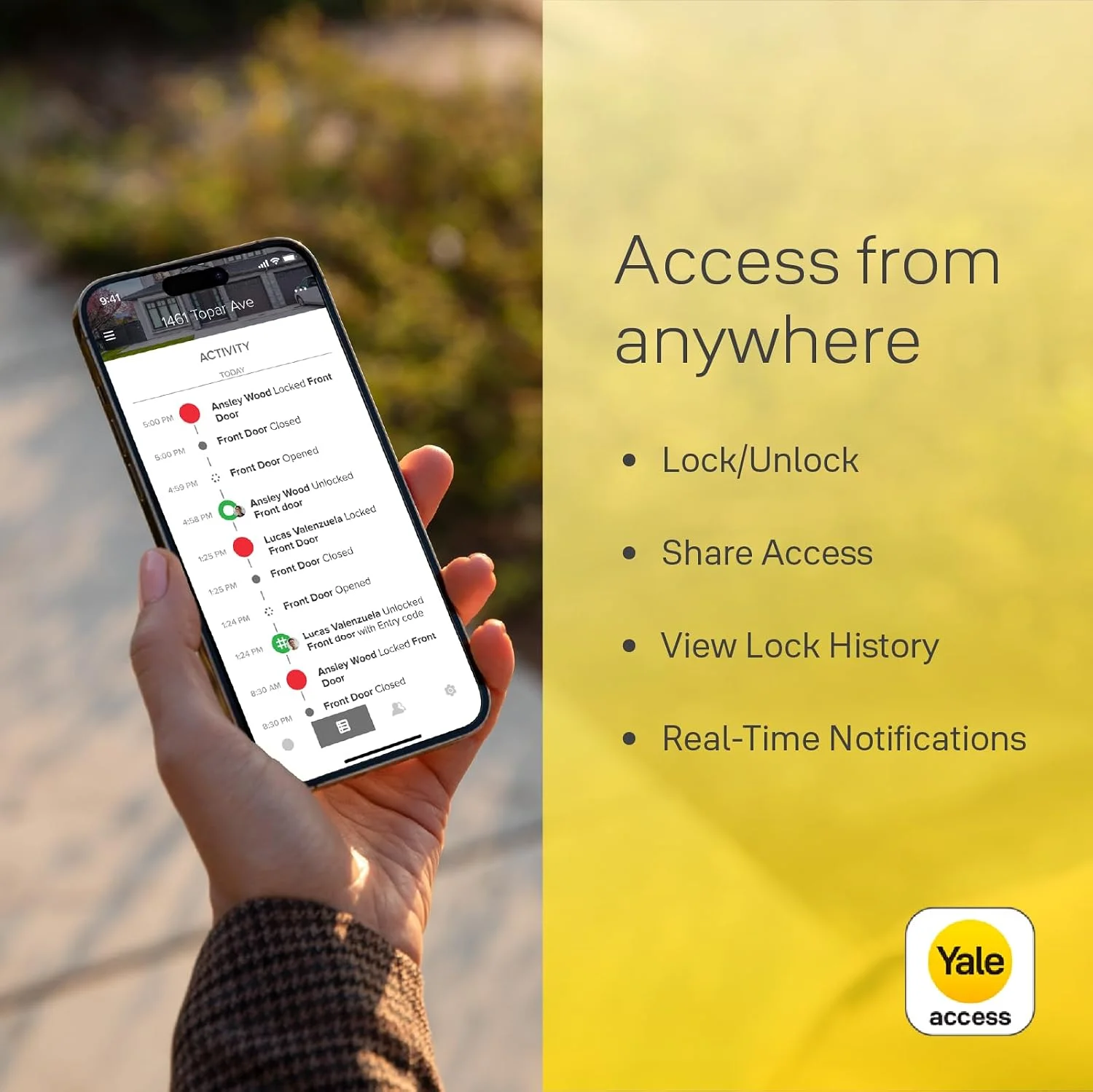
Total control and peace of mind, exactly where you need it.