Technical Review & Analysis
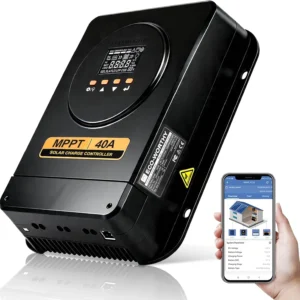
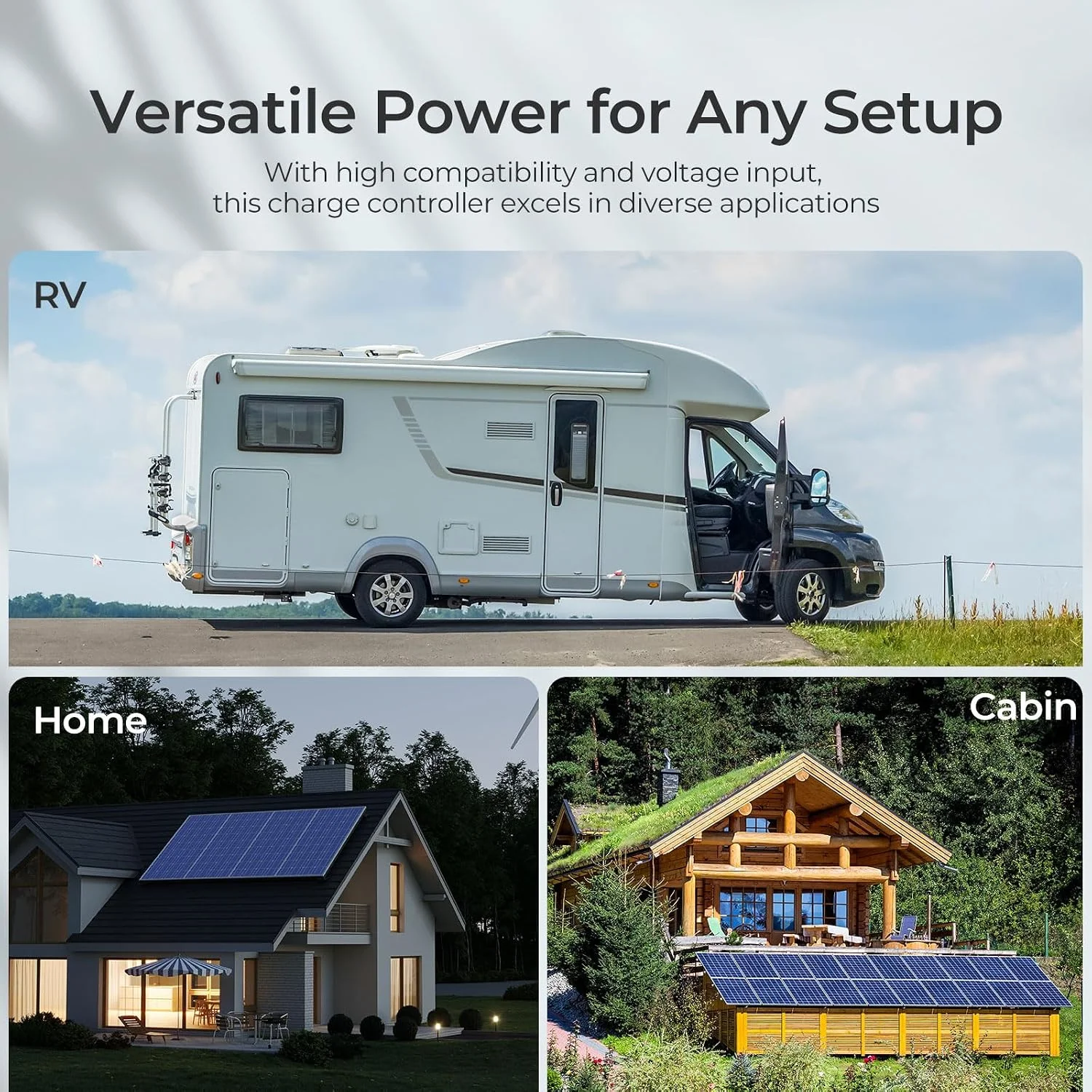
Unlock the full potential of your off-grid energy system with the Renogy 60A MPPT Solar Charge Controller. Whether you are powering a rugged RV setup, a remote cabin, or a professional workshop, this high-performance controller maximizes your solar harvest by converting solar energy with up to 99% efficiency. Engineered for those who demand reliability and precision, it serves as the intelligent brain of your power station, ensuring your batteries stay charged, safe, and long-lasting.
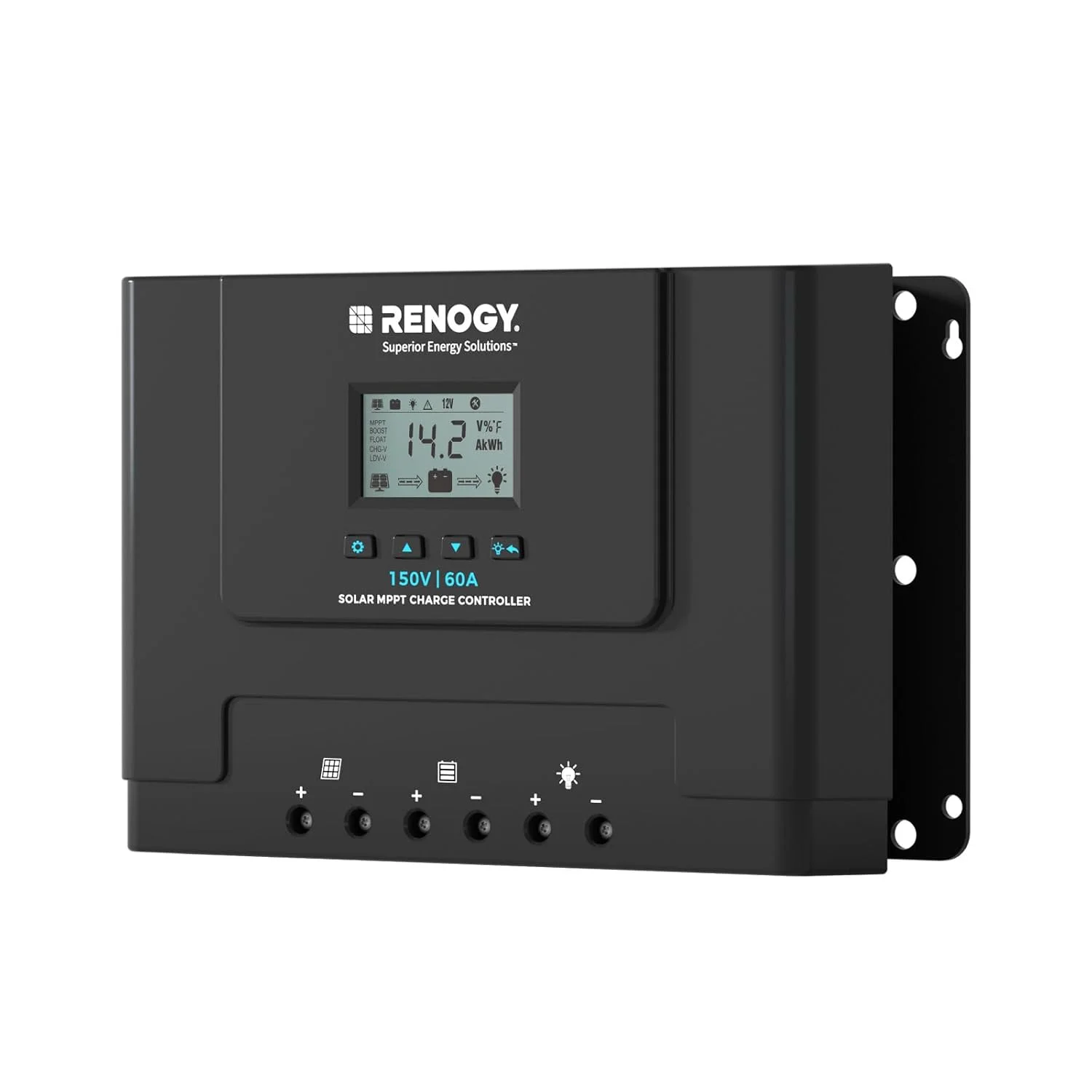
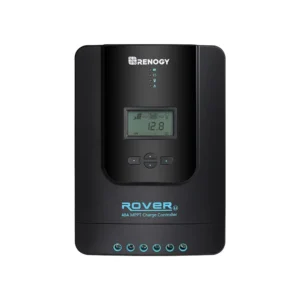
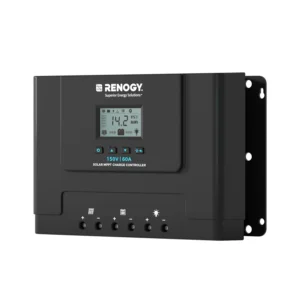
The Renogy 60A MPPT Rover Lite: Precision power management for off-grid systems.
Contents
High-Voltage Input for Simplified Installations
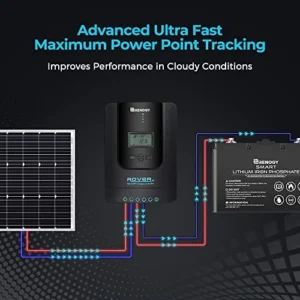
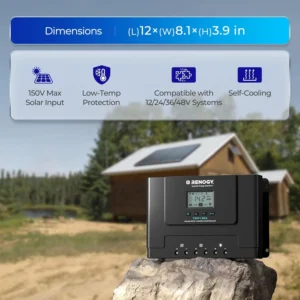
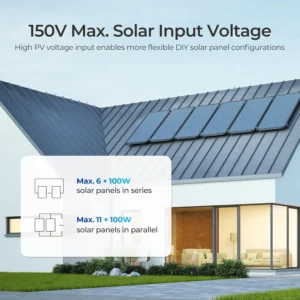
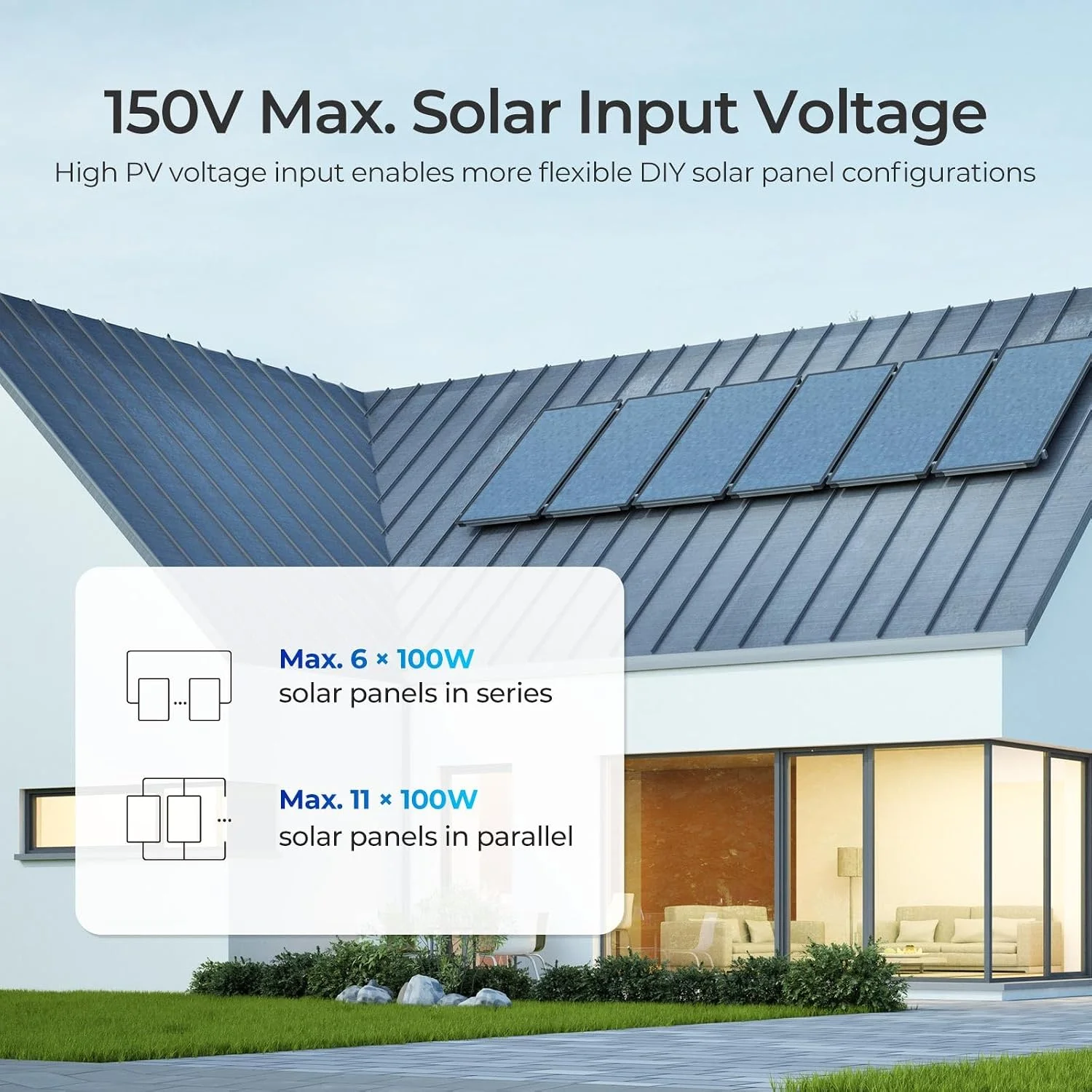
Stop overcomplicating your wiring. Featuring a robust 150V maximum solar input, this controller allows you to connect up to six 200W solar panels in series. By increasing the voltage, you significantly reduce current loss and the need for thick, expensive cabling, making it the ideal choice for larger DIY solar arrays that prioritize efficiency and cost-effectiveness.
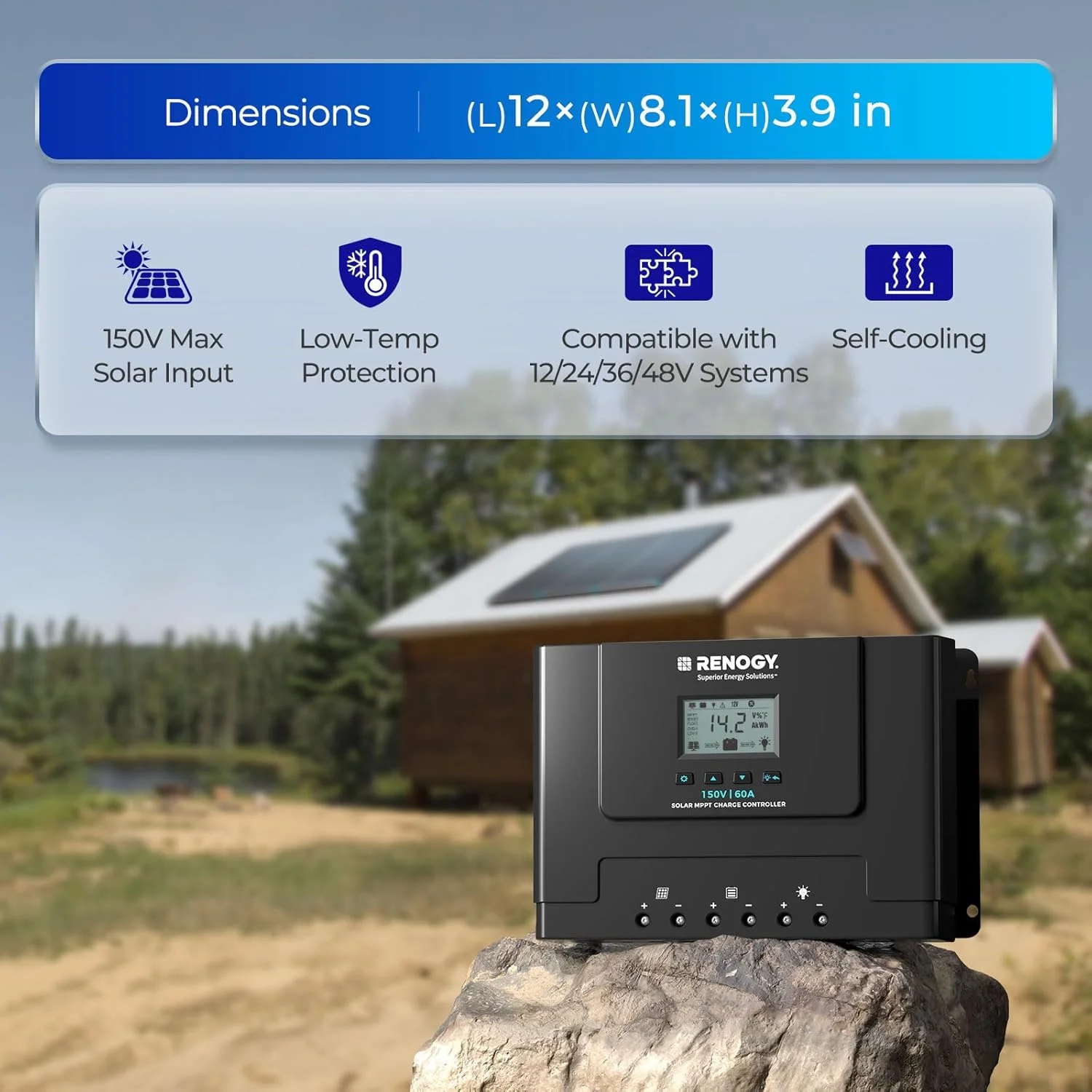
High 150V input capacity streamlines your solar panel wiring configuration.
Intelligent Battery Compatibility
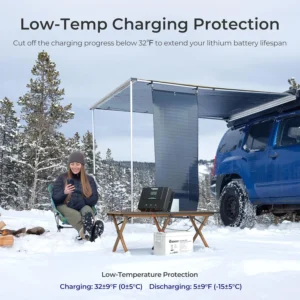
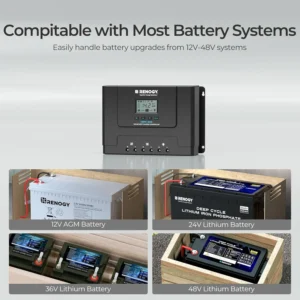
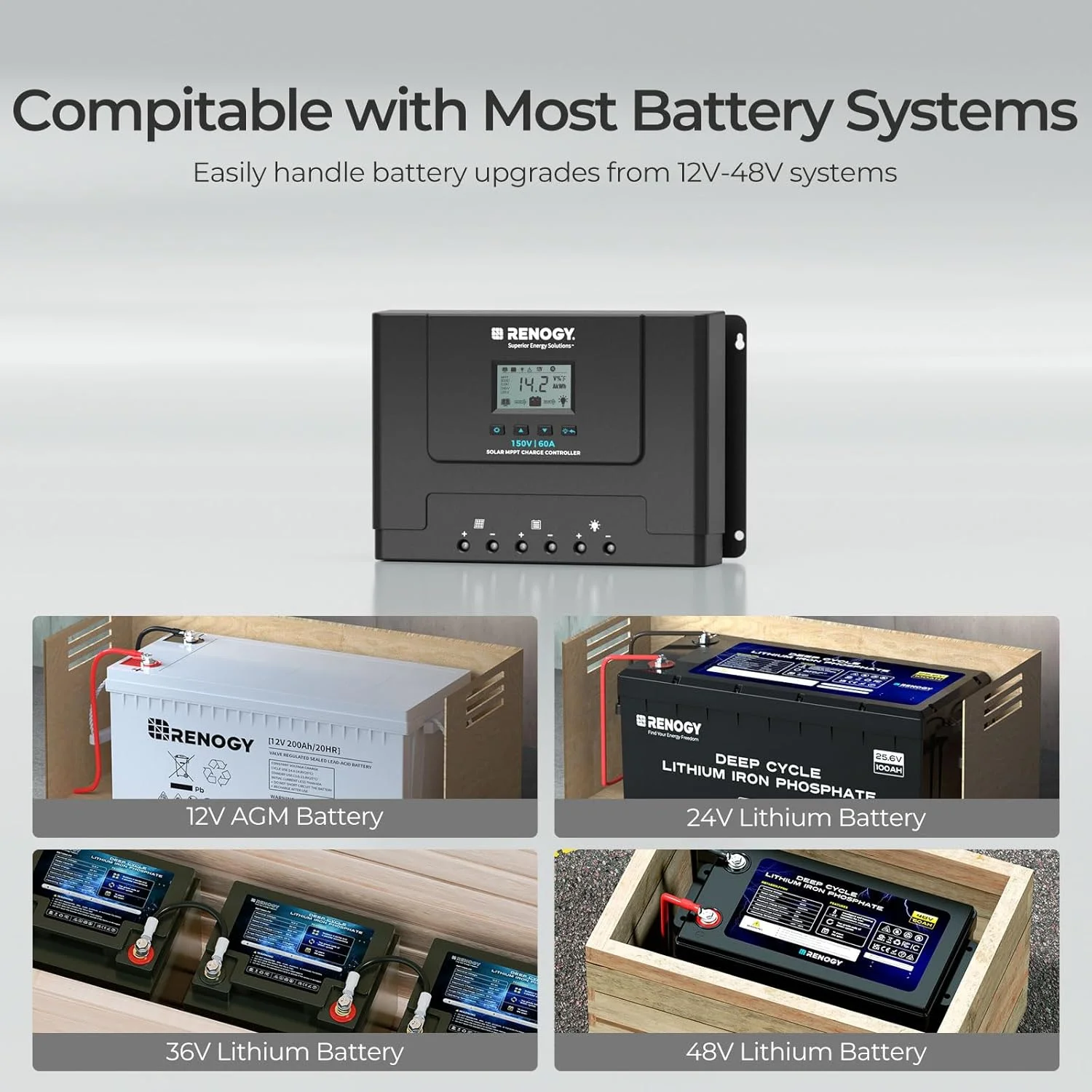
Versatility is at the core of the Renogy Rover Lite. It automatically detects 12V, 24V, 36V, or 48V battery banks and is fully compatible with Lithium, AGM, and Gel batteries. With built-in low-temperature protection specifically for lithium chemistries, your energy storage investment is protected against the elements, ensuring a longer, healthier service life.
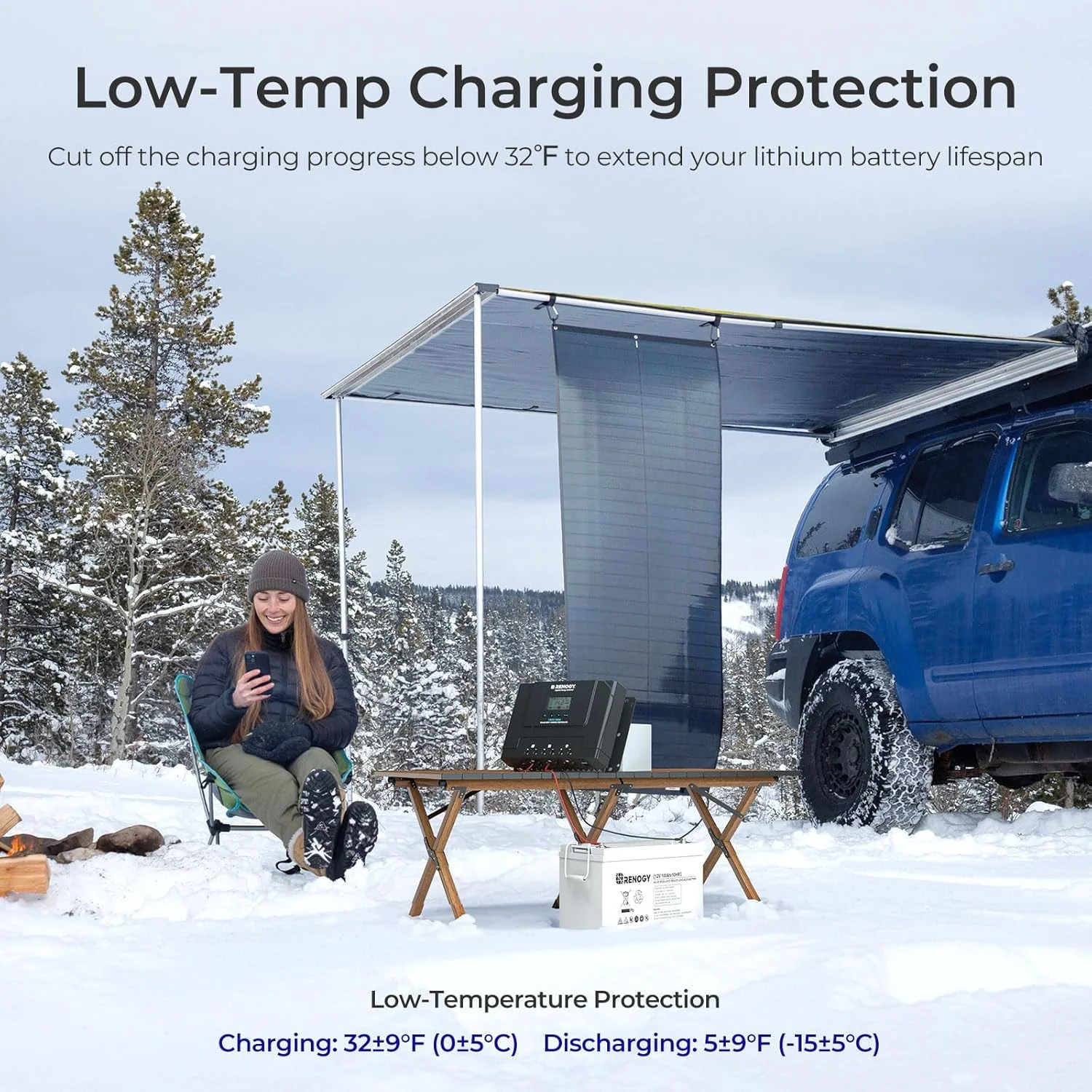
Universal compatibility with Lithium, AGM, and Gel battery systems.
Built for Extreme Environments
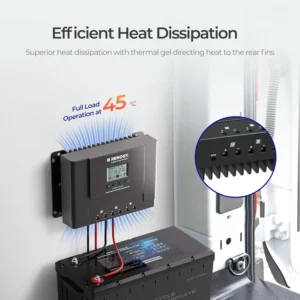
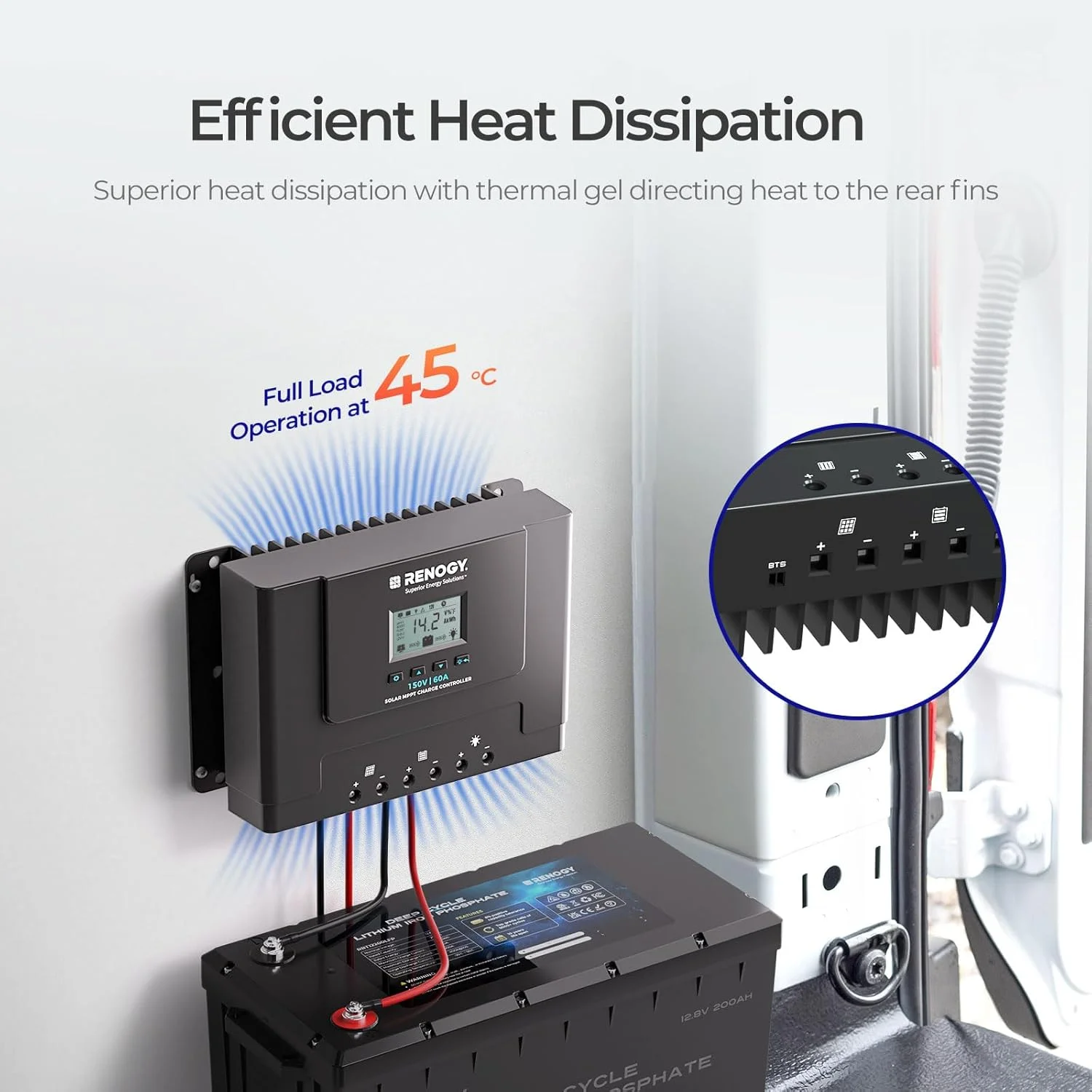
Nature is unpredictable, but your power shouldn’t be. This controller is designed for full-load operation in temperatures ranging from -31℉ to 113℉. The innovative self-cooling design dissipates heat efficiently without noisy fans, maintaining peak performance even during the hottest summer days or in enclosed, high-heat equipment cabinets.
Engineered for consistent operation in harsh, extreme climates.
Smart Monitoring at Your Fingertips
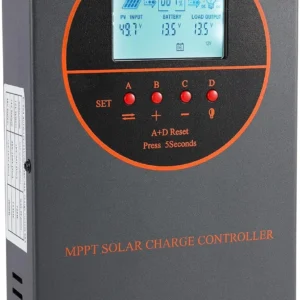
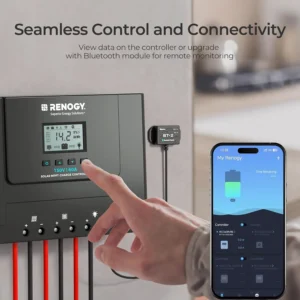
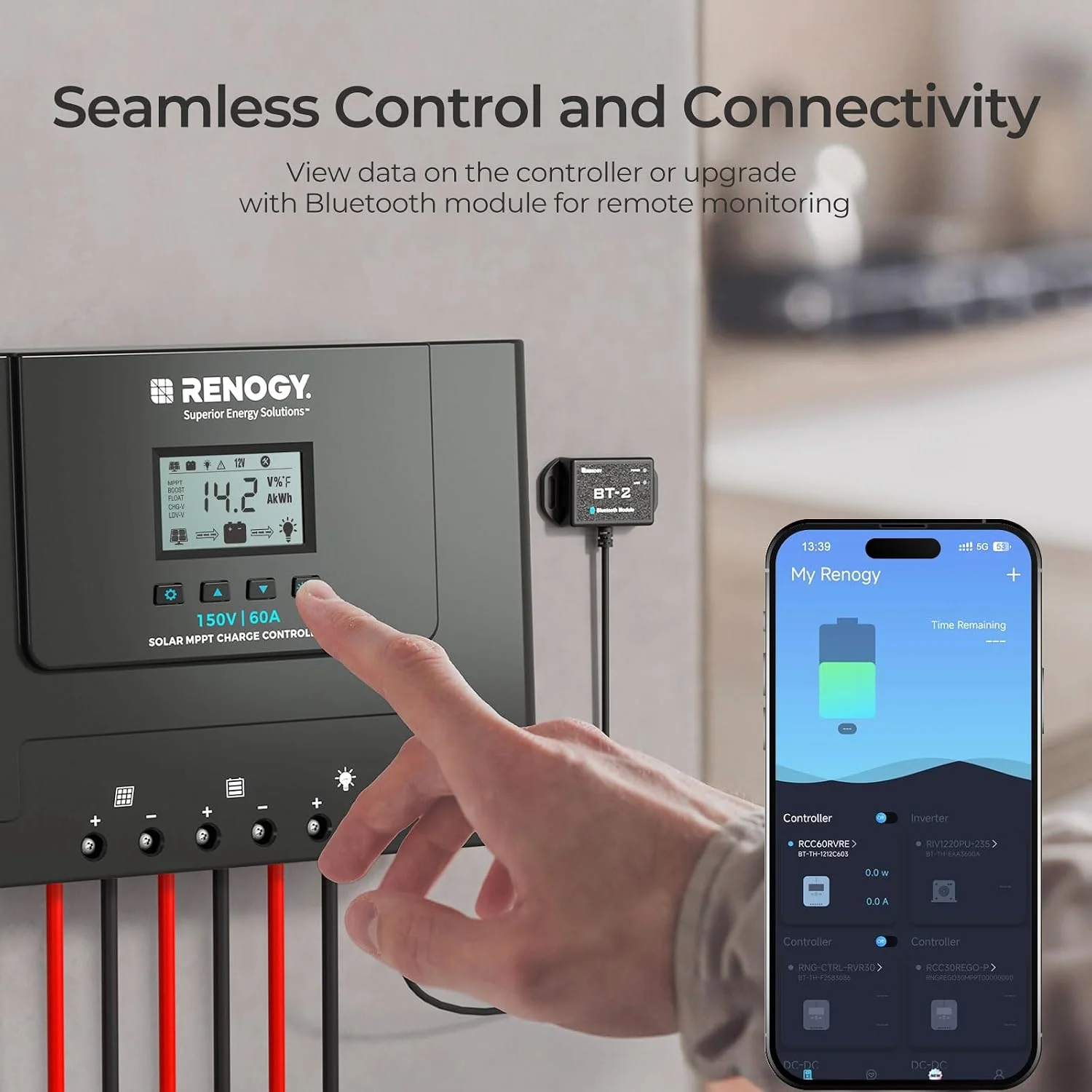
Take full control of your power production with the intuitive onboard LCD screen and physical navigation buttons. For advanced users who want real-time data on their smartphones, the unit is fully compatible with the Renogy BT-2 Bluetooth Module (sold separately), allowing you to monitor your system performance from anywhere via the user-friendly Renogy app.
Add the Bluetooth module for seamless mobile system monitoring.
Safety and Certification
Quality and peace of mind are guaranteed. The Renogy 60A MPPT controller is fully certified under FCC, RoHS, and CE standards. It meets rigorous international technical benchmarks, ensuring your home, RV, or marine vessel is equipped with hardware that adheres to the highest safety and performance protocols, backed by a comprehensive 2-year warranty.
Industry-certified quality assurance for reliable, long-term operation.
The professional choice for your off-grid energy independence.