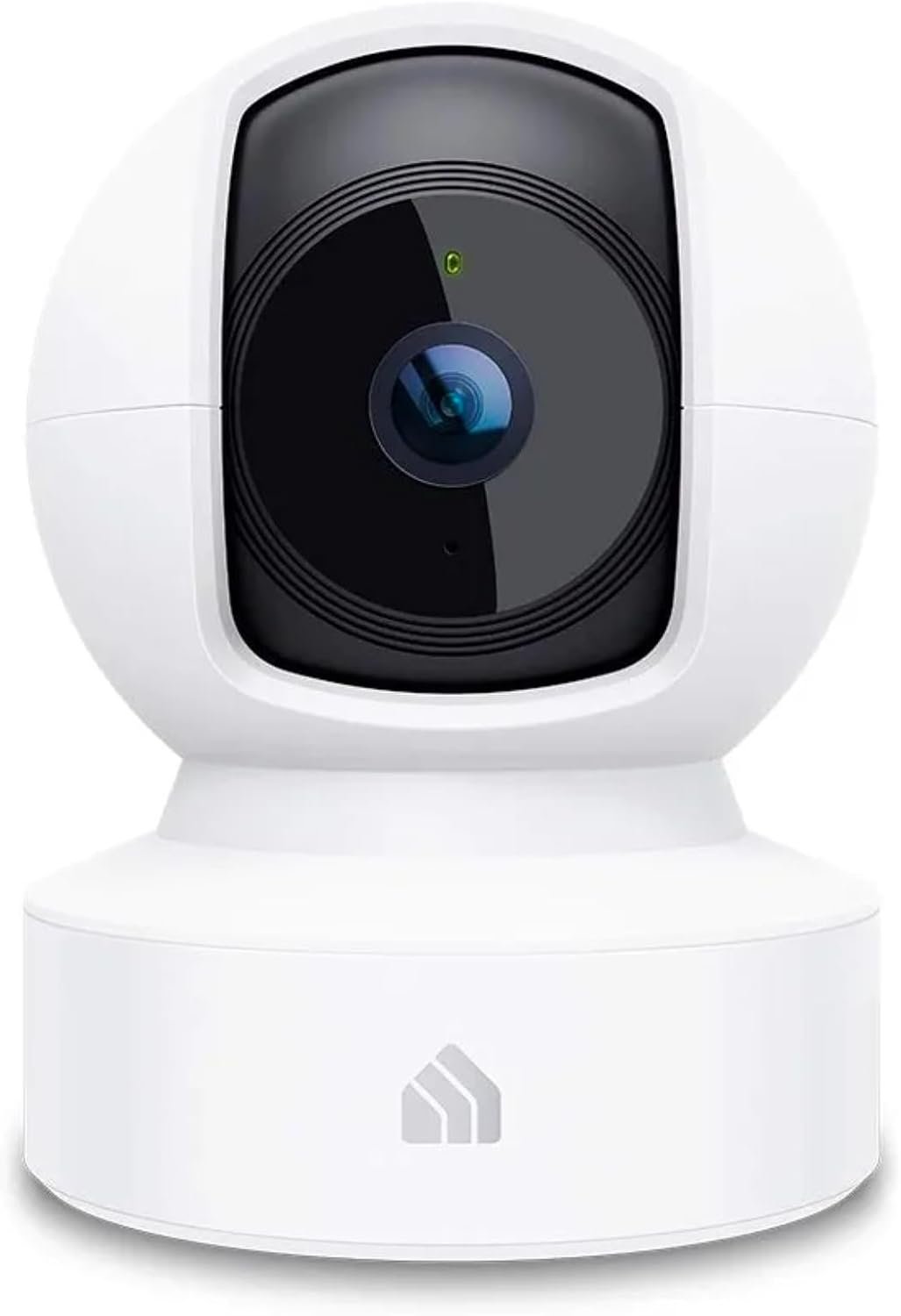
Technical Review & Analysis
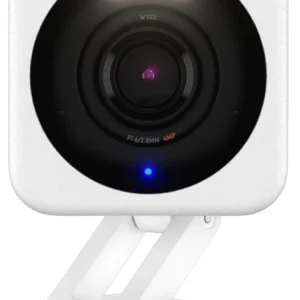
In an era where personal security hinges on reliable data capture and resilient infrastructure, the Kasa EC70 presents itself as a contender for indoor surveillance. For systems striving for power independence or robust grid backup, evaluating its inherent wired dependency and data handling is paramount. Our technical review delves into its operational parameters and potential integration challenges.
Core Specifications
- Video Resolution: 1080p Full HD (1920×1080 pixels), typically delivering 15-30 frames per second (fps). This resolution provides sufficient detail for identification within typical indoor viewing distances.
- Pan/Tilt Mechanism: Features a mechanical pan range of 360° horizontal and a tilt range of 113° vertical. This comprehensive field of view (FoV) eliminates blind spots in a single-unit deployment.
- Power Consumption: Operates on a 5V DC input via an AC adapter, with an estimated continuous draw of approximately 5 Watts (W). This translates to a daily energy consumption of roughly 120 Watt-hours (Wh), a critical metric for sizing uninterruptible power supplies or off-grid battery backup systems.
- Wireless Connectivity: Utilizes 2.4 GHz 802.11n Wi-Fi, ensuring compatibility with most home networks and offering reasonable range. However, this band is susceptible to interference and congestion in dense environments, potentially impacting stream stability.
- Local Storage Capacity: Supports MicroSD cards up to 256 GB (sold separately), providing a subscription-free local recording solution. This capacity typically accommodates 10-14 days of continuous 1080p footage, dependent on motion events and compression algorithms.
- Data Encryption: Employs industry-standard WPA2/WPA3 protocols for wireless network authentication and data transport. While cloud-stream encryption specifics are not detailed, secure local storage ensures data privacy at the edge.
Real-world Reliability
The EC70’s wired power requirement establishes a direct vulnerability to AC grid instability. During blackouts, sustained operation demands integration with an appropriately sized Uninterruptible Power Supply (UPS) capable of delivering a consistent 5W load, or direct DC conversion from a low-voltage battery bank in off-grid scenarios. Network reliability is equally paramount; while local storage safeguards recorded data during Wi-Fi outages, live streaming, push notifications, and remote control cease functionality. Given its indoor specification, the device is designed for controlled ambient conditions and lacks environmental hardening for extreme temperatures, high humidity, or direct weather exposure, necessitating a climate-controlled enclosure for any non-standard deployment.
Who is this for?
This device is engineered for suburban smart homes or grid-tied small businesses requiring robust indoor surveillance with emphasis on local data retention capabilities.
Data Breakdown
| Specification | Detail |
|---|---|
| Video Resolution | 1080p Full HD (1920×1080) |
| Power Input | 5V DC (via AC adapter) |
| Est. Daily Energy Use | ~120 Wh |
| Wireless Standard | 2.4 GHz 802.11n Wi-Fi |
| Storage Capacity | MicroSD up to 256 GB (local) |
| Night Vision Range | 30 feet (9 meters) IR |
| Pan/Tilt FoV | 360° Horizontal / 113° Vertical |