

Technical Review & Analysis
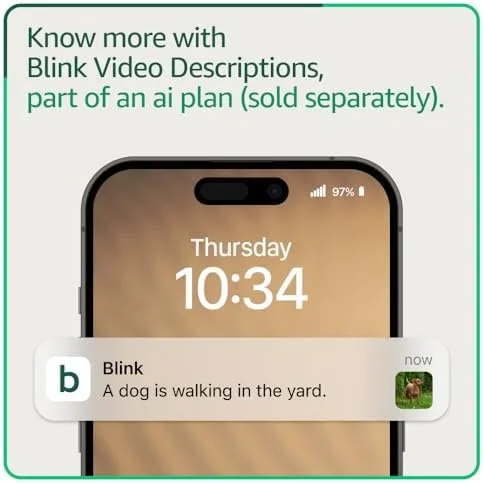
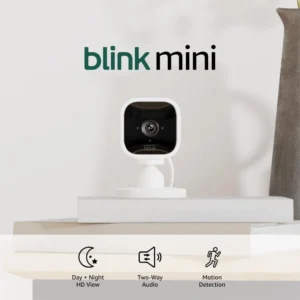
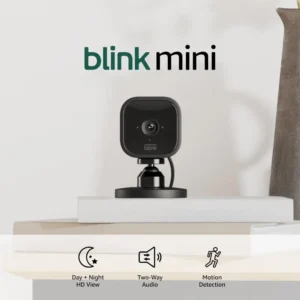
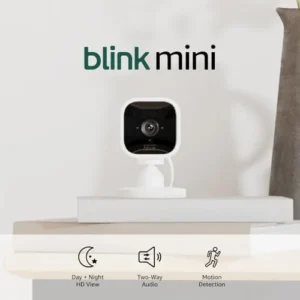
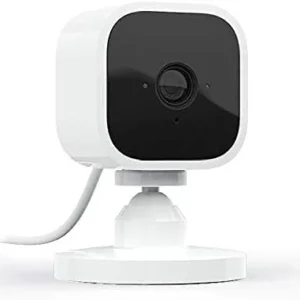
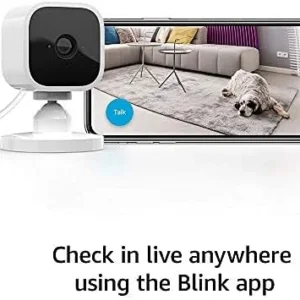
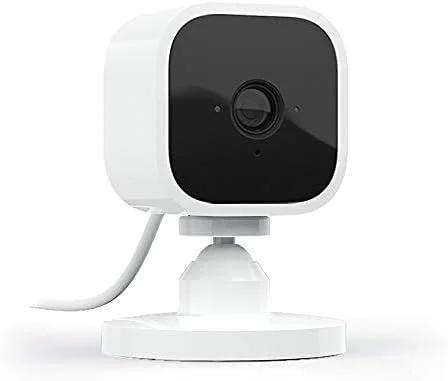
Experience total peace of mind with the Blink Mini, your essential solution for effortless indoor home monitoring. Whether you are checking in on your pets while at work or keeping an eye on your home while traveling, this compact, high-definition camera delivers crystal-clear 1080p video directly to your smartphone. Engineered for reliability and simplicity, the Blink Mini bridges the gap between sophisticated security and user-friendly home automation.
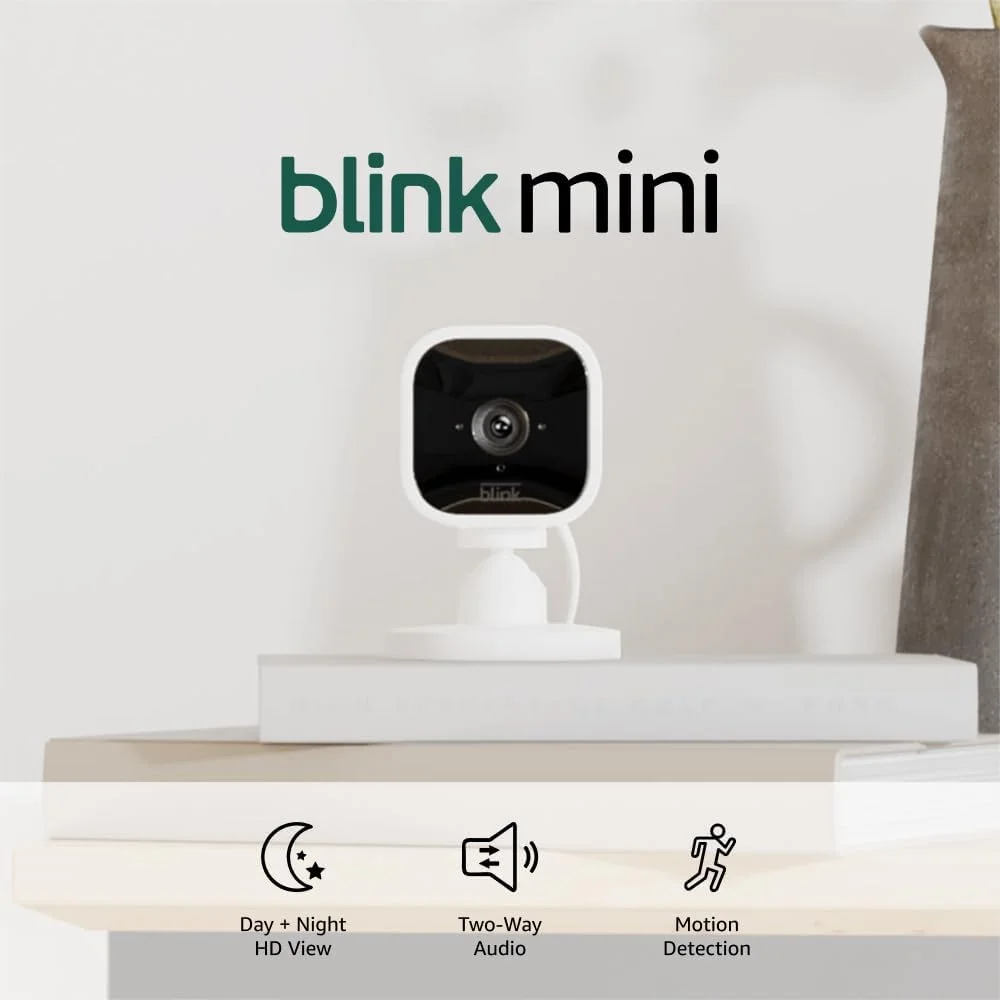
Crystal-clear 1080p HD resolution for total indoor clarity.
Contents
Intelligent Motion Detection and Real-Time Alerts
Never miss a moment with advanced motion detection technology. Receive instant push notifications the second movement is detected, and customize your motion zones to focus exclusively on high-traffic areas, like entryways or windows, ensuring you only get alerts for what truly matters to you.
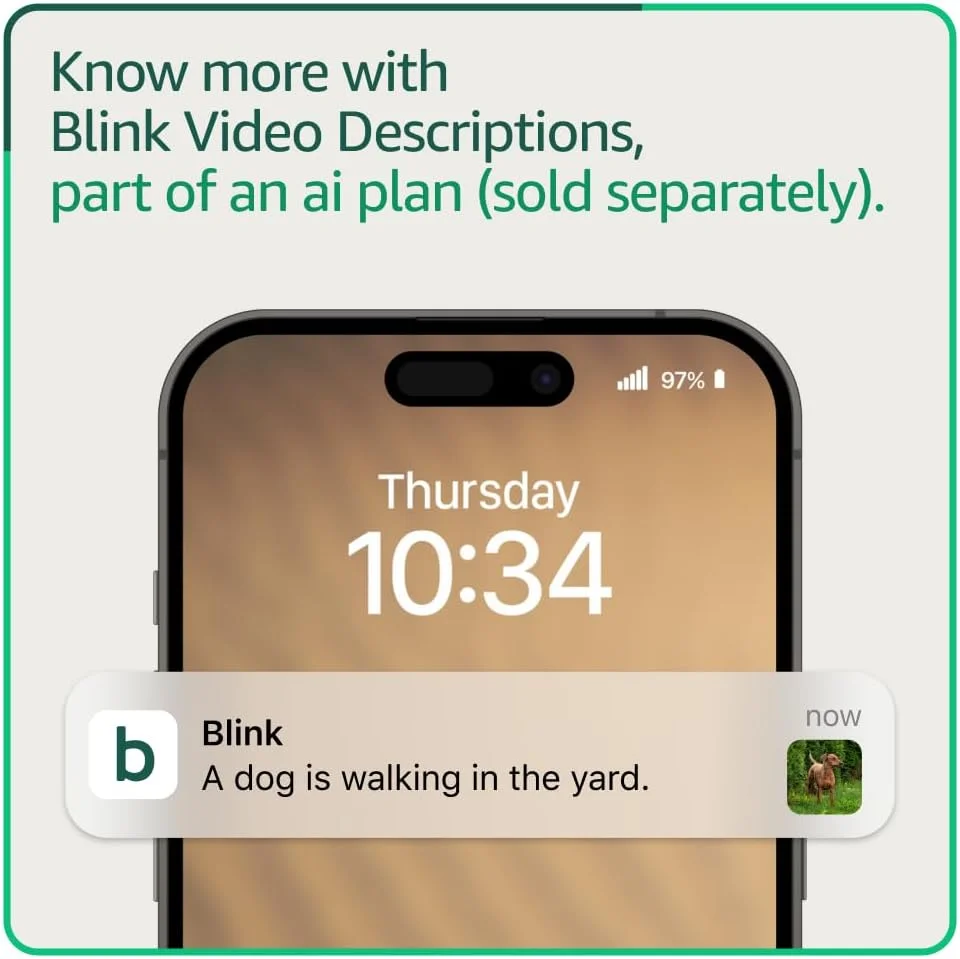
Customizable zones allow you to monitor specific areas of your home.
Two-Way Audio and Seamless Communication
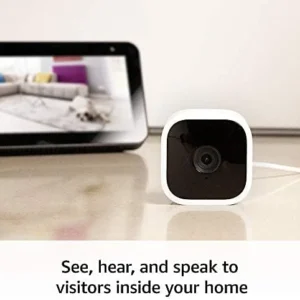
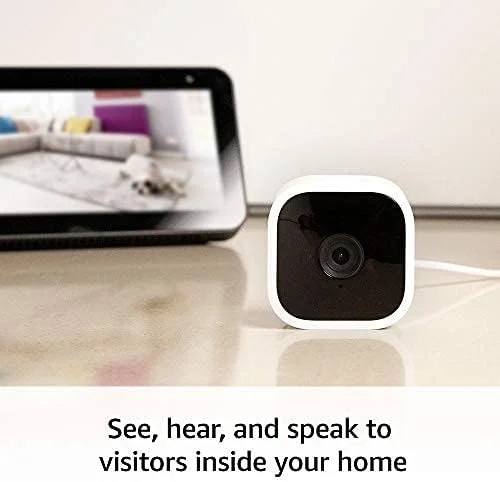
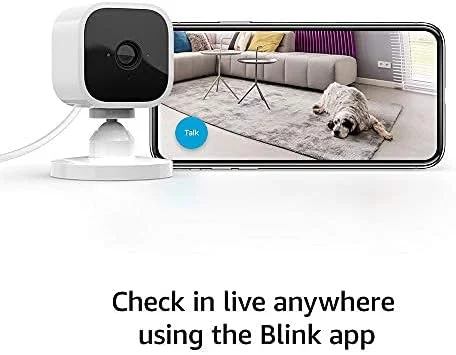
The built-in two-way audio feature transforms your camera into a communication hub. Use the Blink Home Monitor app to see, hear, and speak to family members, visitors, or even pets in real-time. It’s the perfect way to provide comfort or security from anywhere in the world.
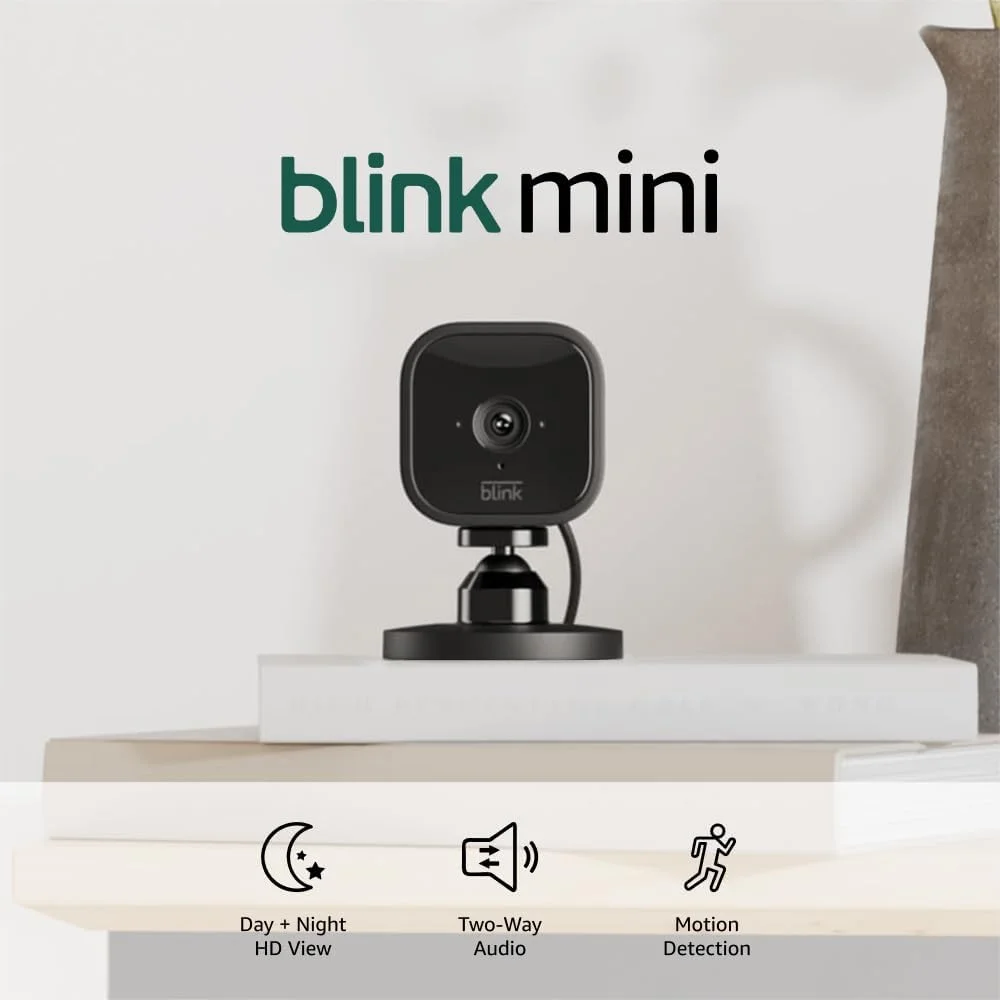
Communicate directly with your home using two-way audio.
Integrated Alexa Ecosystem
Take your smart home to the next level by connecting your Blink Mini to Alexa-enabled devices. Stream live video to your Echo Show, use voice commands to toggle security features, or set your Blink Mini to act as an indoor chime for your Blink Video Doorbell, ensuring you never miss a knock at the door.
Full Alexa integration for voice-controlled home security.
Day and Night Vision Monitoring
Security doesn’t stop when the sun goes down. With infrared night vision, the Blink Mini provides reliable surveillance even in complete darkness, keeping your home protected 24/7 without the need for additional lighting.
Advanced night vision for round-the-clock protection.
Flexible Video Storage Solutions
Choose how you store your footage. Take advantage of the 30-day free trial of the Blink Subscription Plan for cloud recording, or utilize the Sync Module 2 (sold separately) for secure, local video storage, giving you full control over your data privacy.
Flexible local or cloud-based storage options.
Simplified Plug-and-Play Setup
Get up and running in minutes. The Blink Mini is designed for a quick, frustration-free installation: simply plug in the camera, connect to your home Wi-Fi, and follow the guided instructions in the app. The included mounting kit provides the versatility to place your camera on a stand or mount it on a wall.
Setup is completed in just a few simple steps.