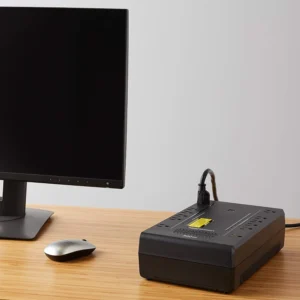
Technical Review & Analysis
Don’t let a sudden power flicker compromise your smart home security or crash your important work. The Amazon Basics 800VA Standby UPS provides the critical layer of protection your sensitive electronics require, ensuring that routers, IoT hubs, and home entertainment systems stay online when the grid fails. This compact powerhouse bridges the gap during short outages and provides enough runtime for a safe, graceful system shutdown, protecting your data from corruption and your hardware from voltage spikes.
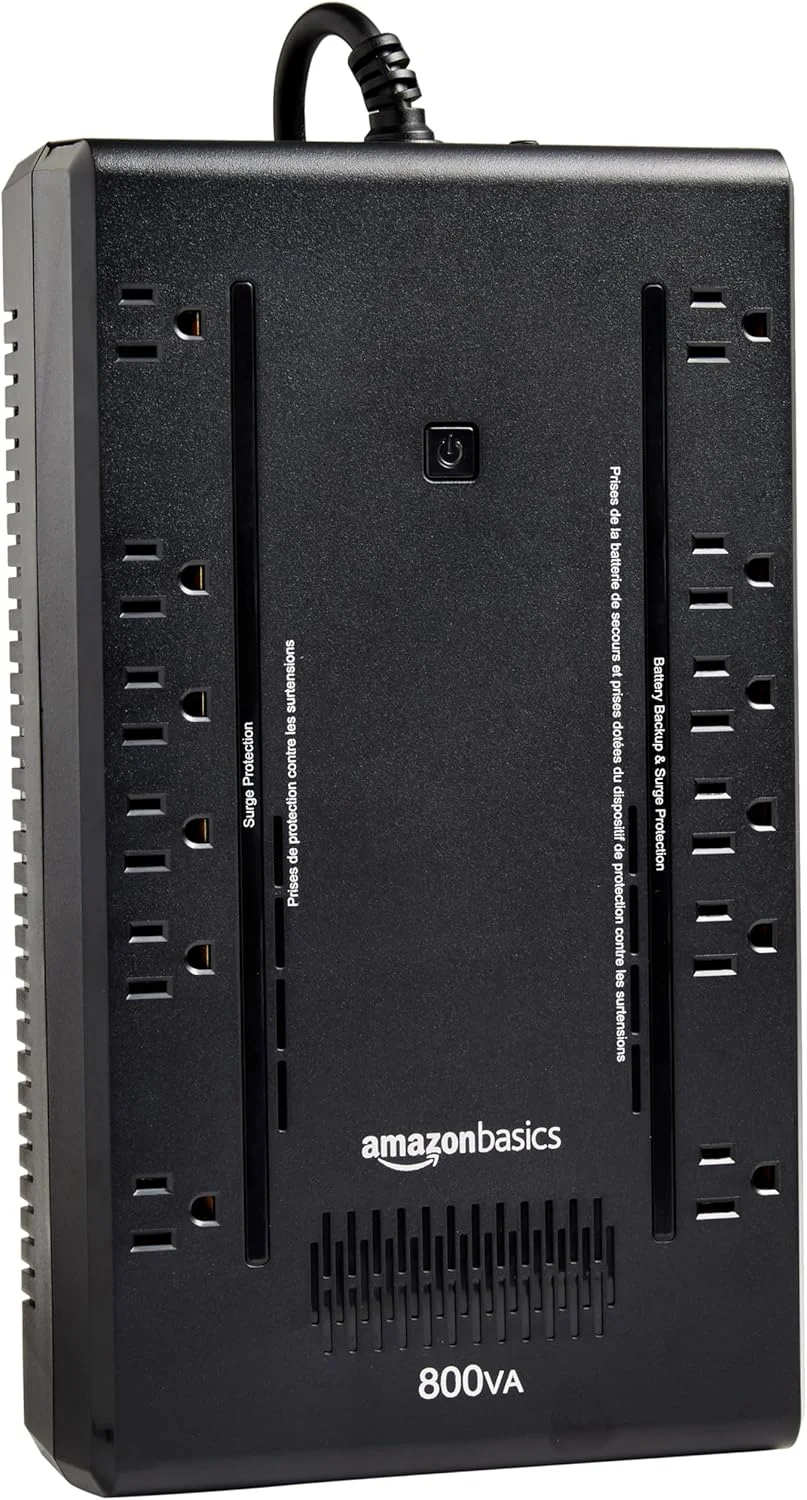
Reliable power protection for your essential home office and smart tech.
Maximum Connectivity with 12 Protected Outlets
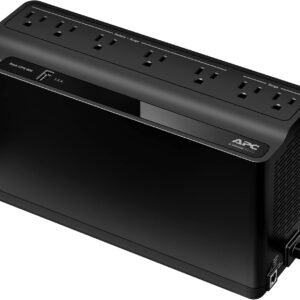
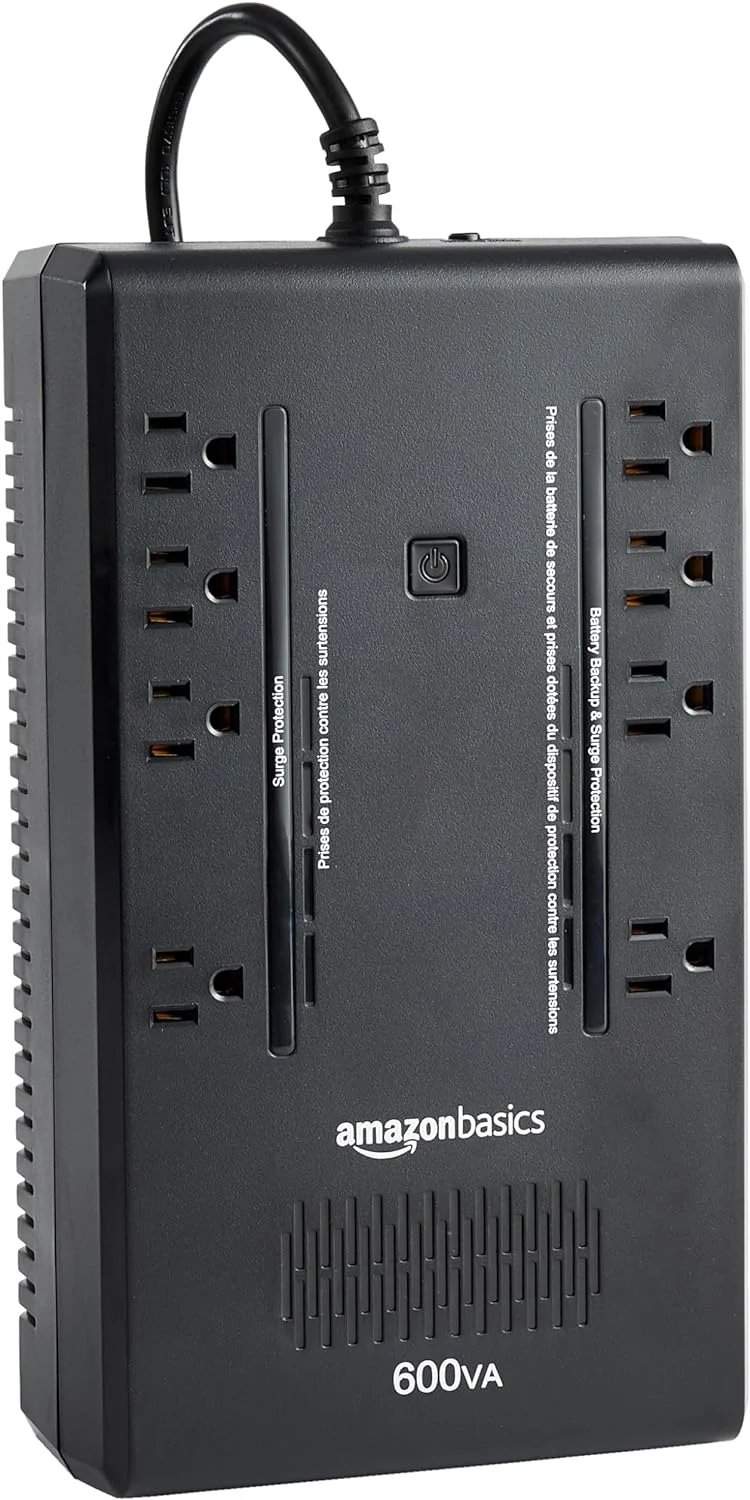
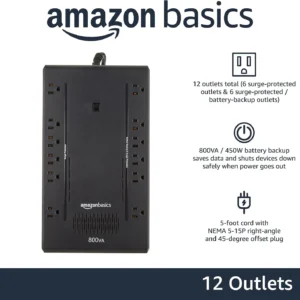
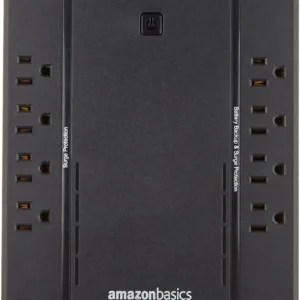
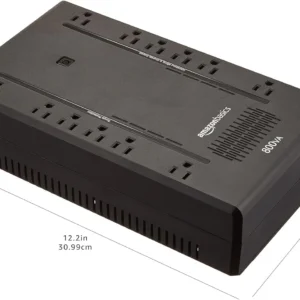
Equipped with a total of 12 NEMA 5-15R outlets, this unit is designed for modern home setups. It features 6 outlets dedicated to battery backup for your most critical devices and 6 additional outlets providing surge protection for peripherals like printers and monitors. With a convenient 5-foot cord and a space-saving 45-degree offset plug, it fits perfectly in tight spaces behind desks or media consoles.
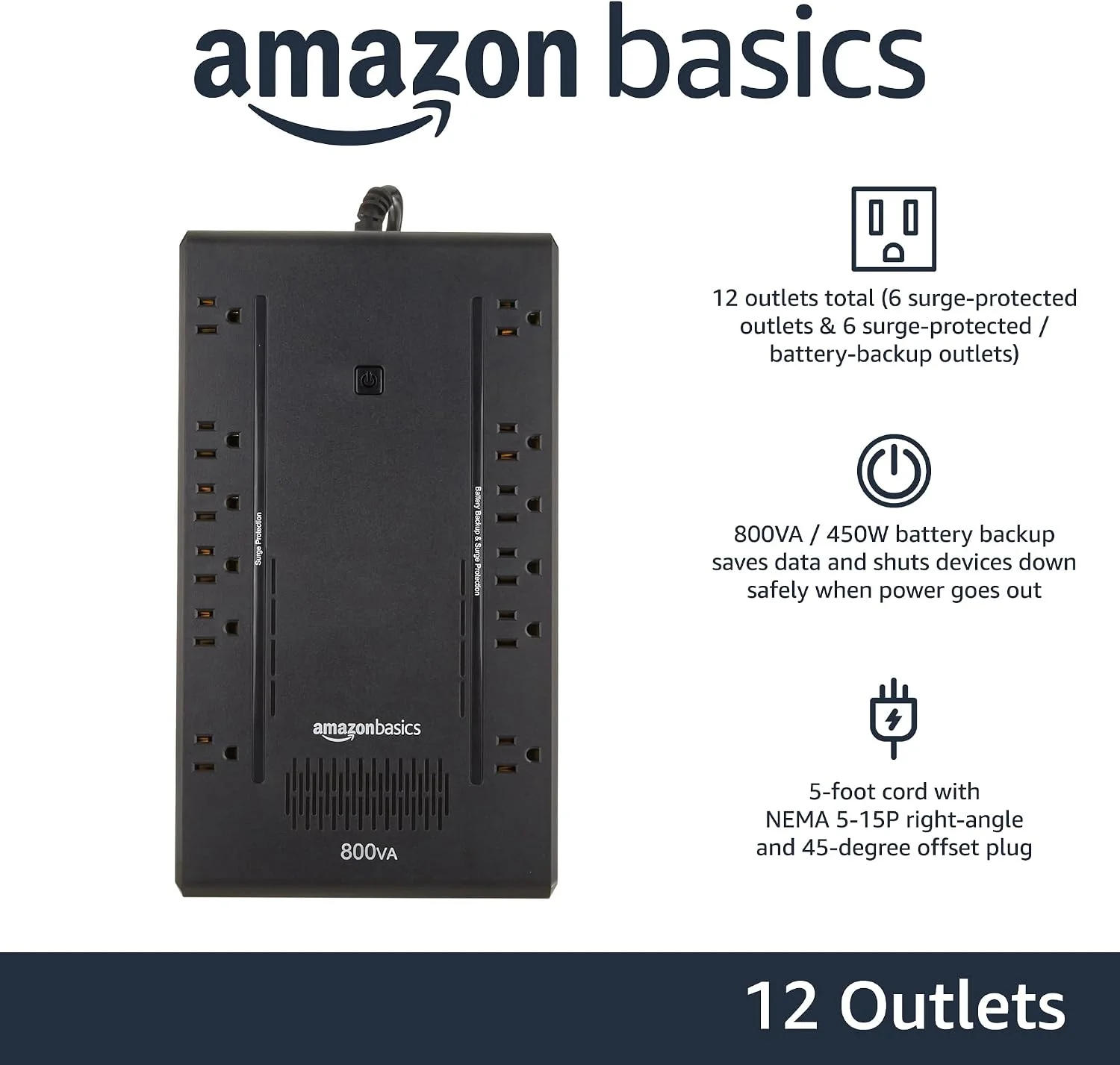
Six backup-ready outlets and six surge-only outlets for complete device coverage.
Optimized Performance for IoT and Home Networks
When the power goes out, your smart home stays smart. Whether you are running security cameras, a mesh Wi-Fi system, or a media server, this UPS ensures constant uptime. At half load, you can expect roughly 12 minutes of runtime, giving you the perfect window to switch to a generator or safely power down your electronics.
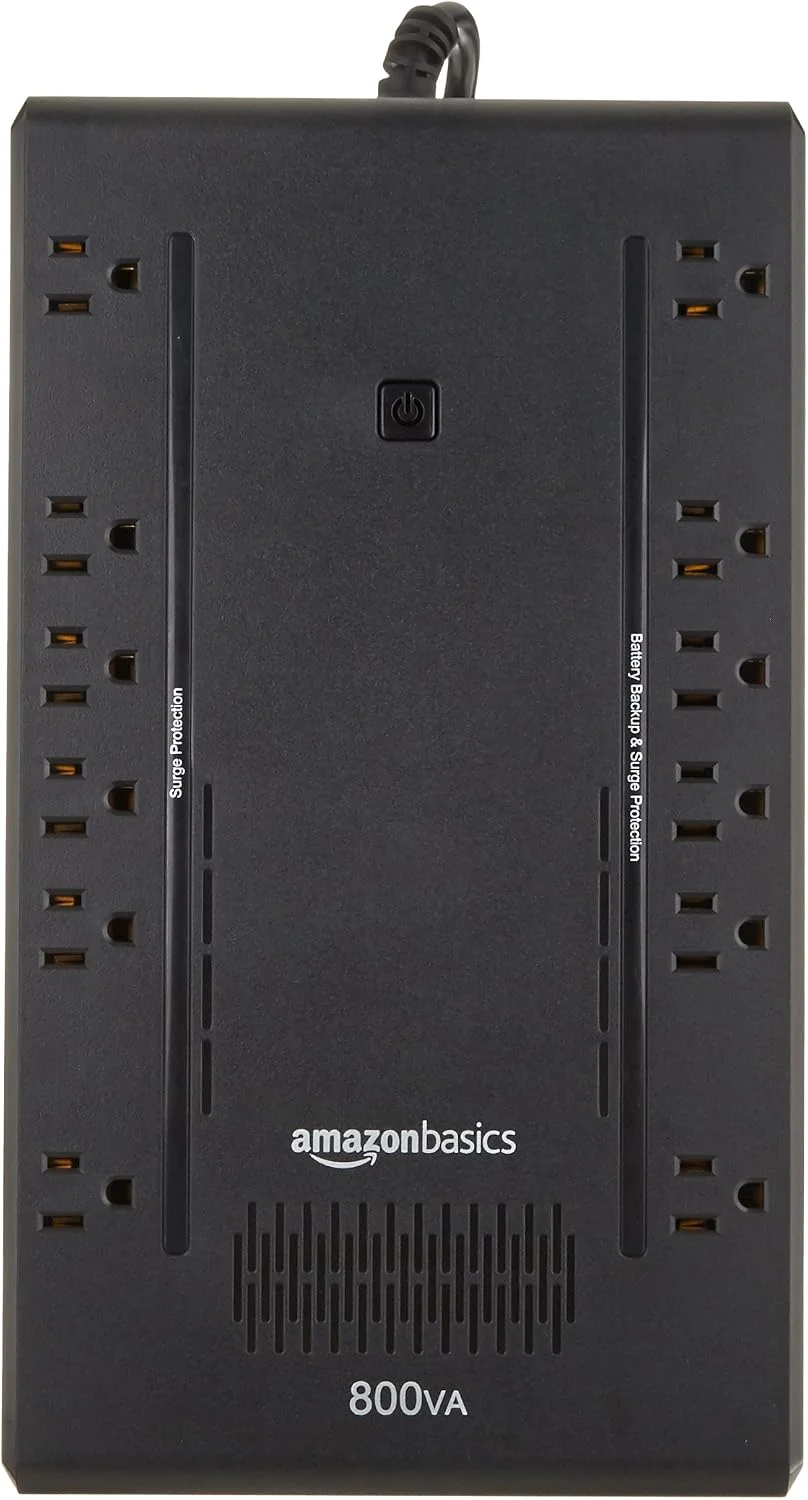
Keep your IoT devices and routers active during unexpected power interruptions.
Intelligent Power Management
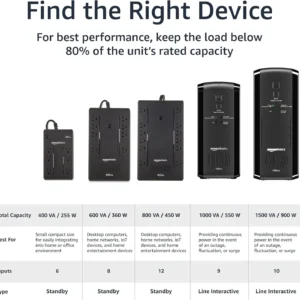
Take control of your energy profile. By downloading the available power management software, you can monitor your UPS status and customize shutdown procedures. For the best longevity and performance, we recommend keeping your total device load under 80% of the unit’s 450W capacity to ensure the battery is ready exactly when you need it most.
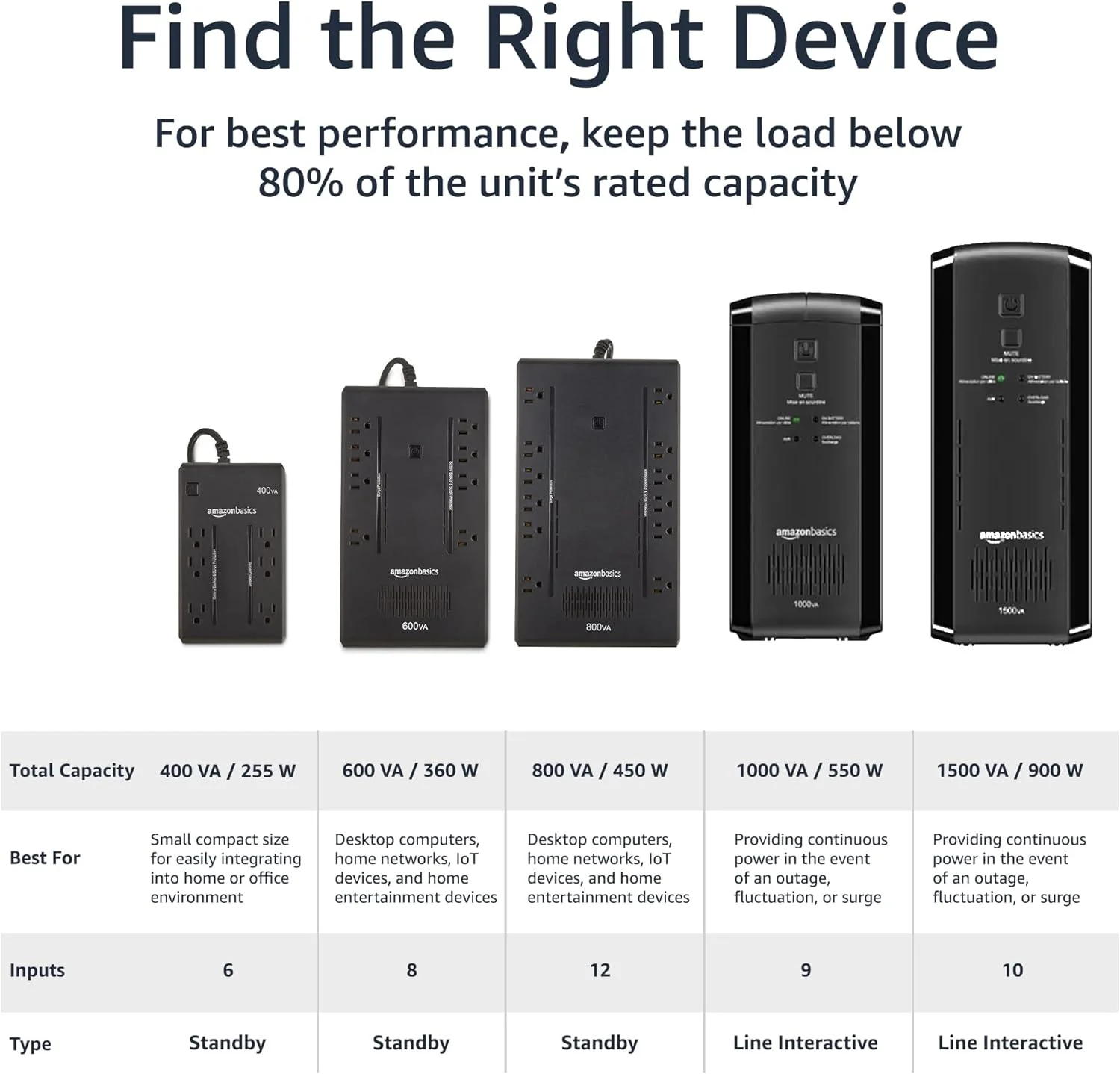
A compact footprint allows for seamless integration into any home environment.
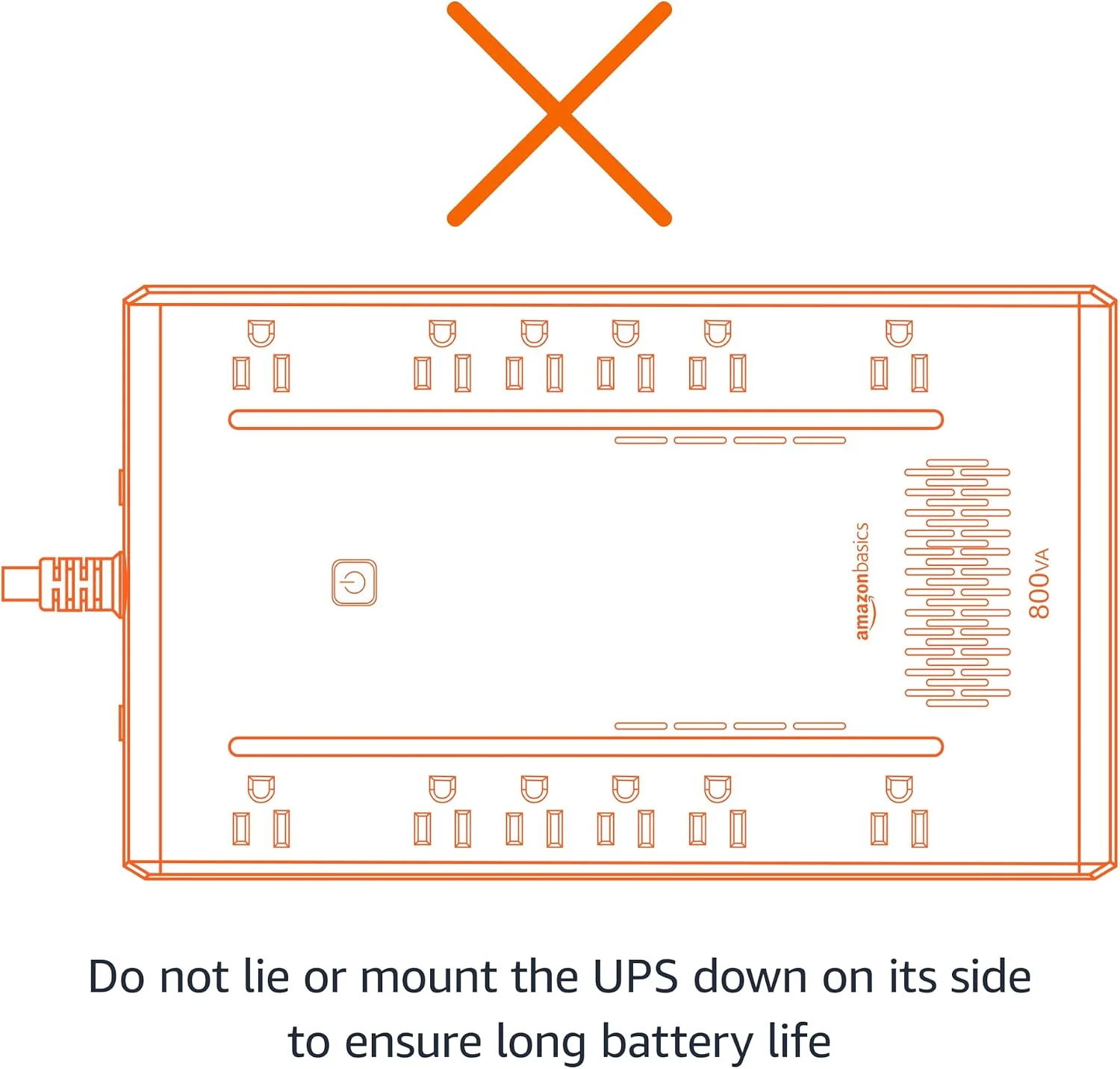
Advanced surge protection safeguards your hardware from harmful voltage spikes.
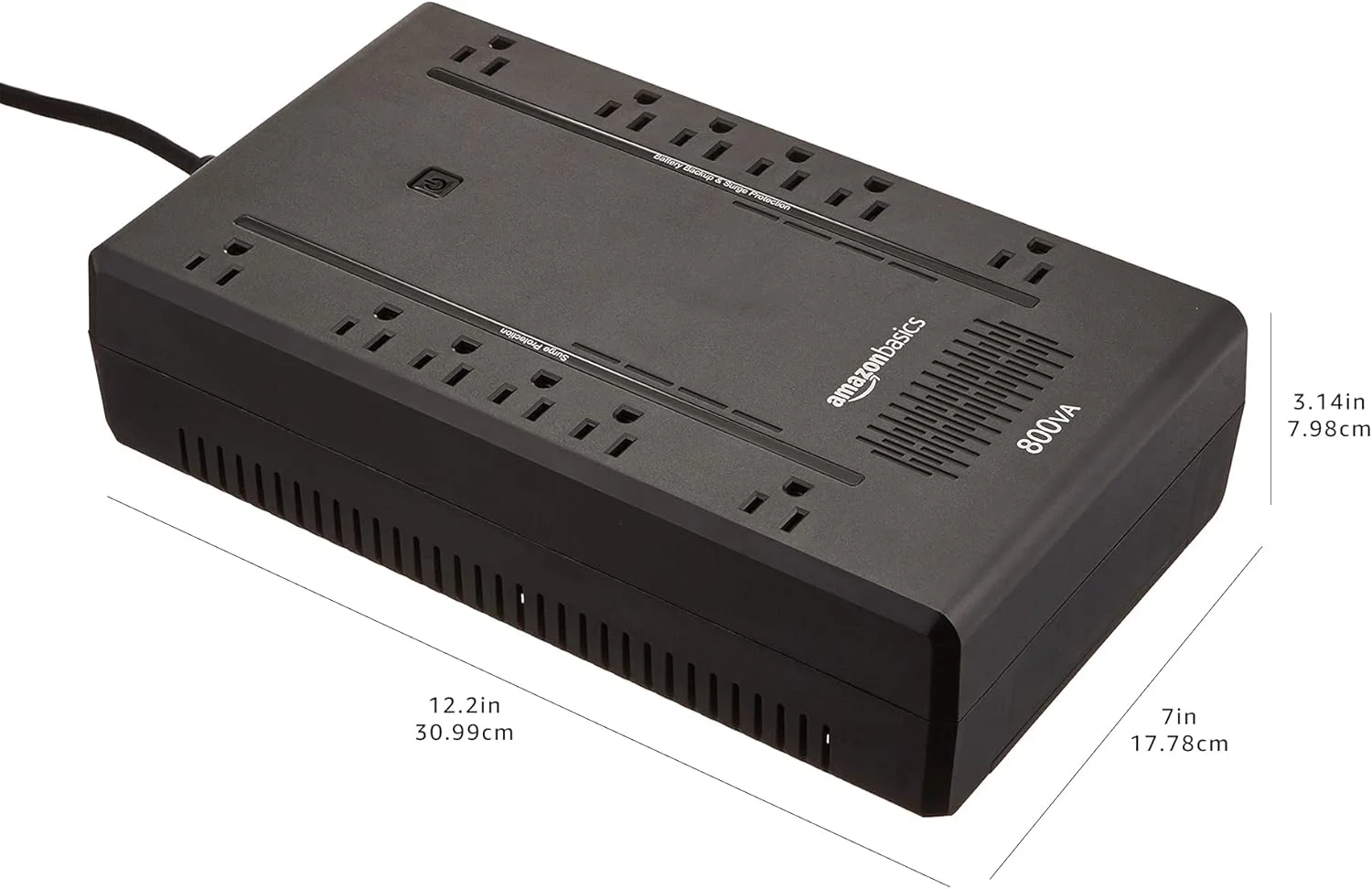
Easily track system health and battery status with dedicated management software.
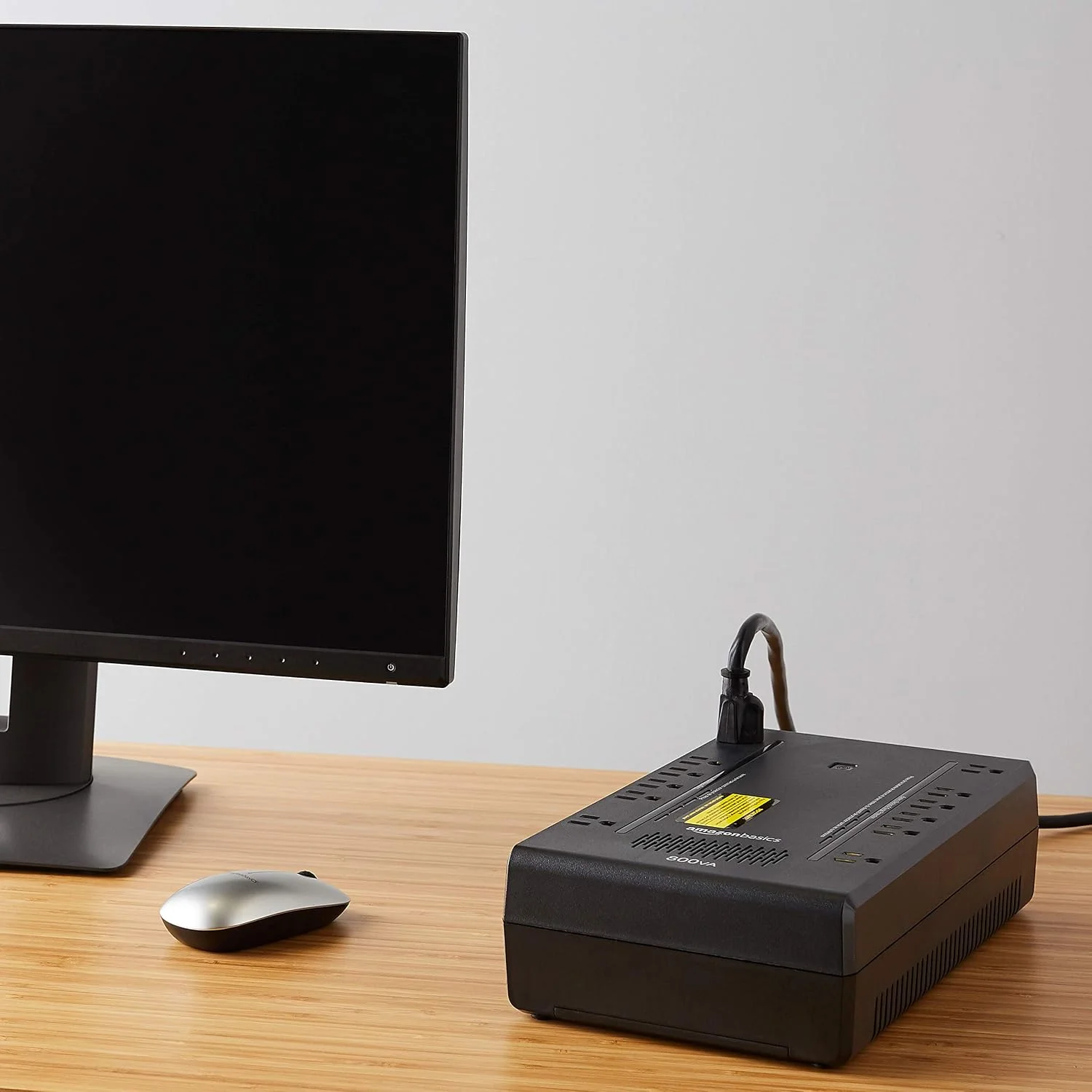
The ultimate insurance policy for your sensitive electronics and smart home hub.