





Technical Review & Analysis
Take complete control of your home’s safety with a professional-grade security solution that puts you in the driver’s seat. Our 10-piece WiFi Alarm Kit eliminates the need for expensive contracts or monthly monitoring fees, offering a robust, DIY-friendly system that protects your property, family, and peace of mind 24/7. Whether you are at work or traveling abroad, stay connected with instant mobile alerts and total control at your fingertips.
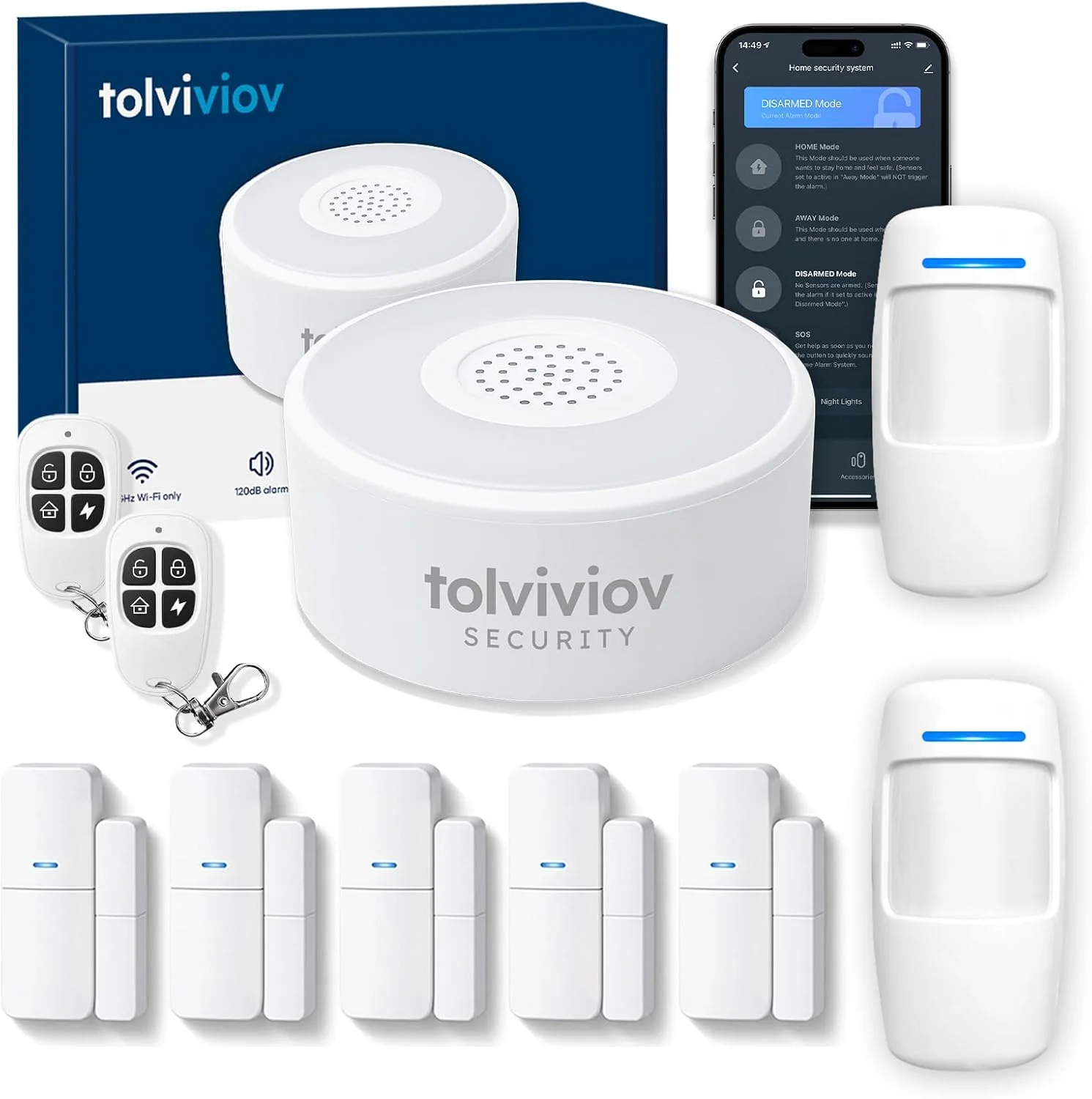
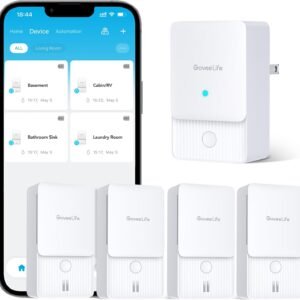
Complete 10-piece security kit for total home protection
Contents
Total Control Without Monthly Fees
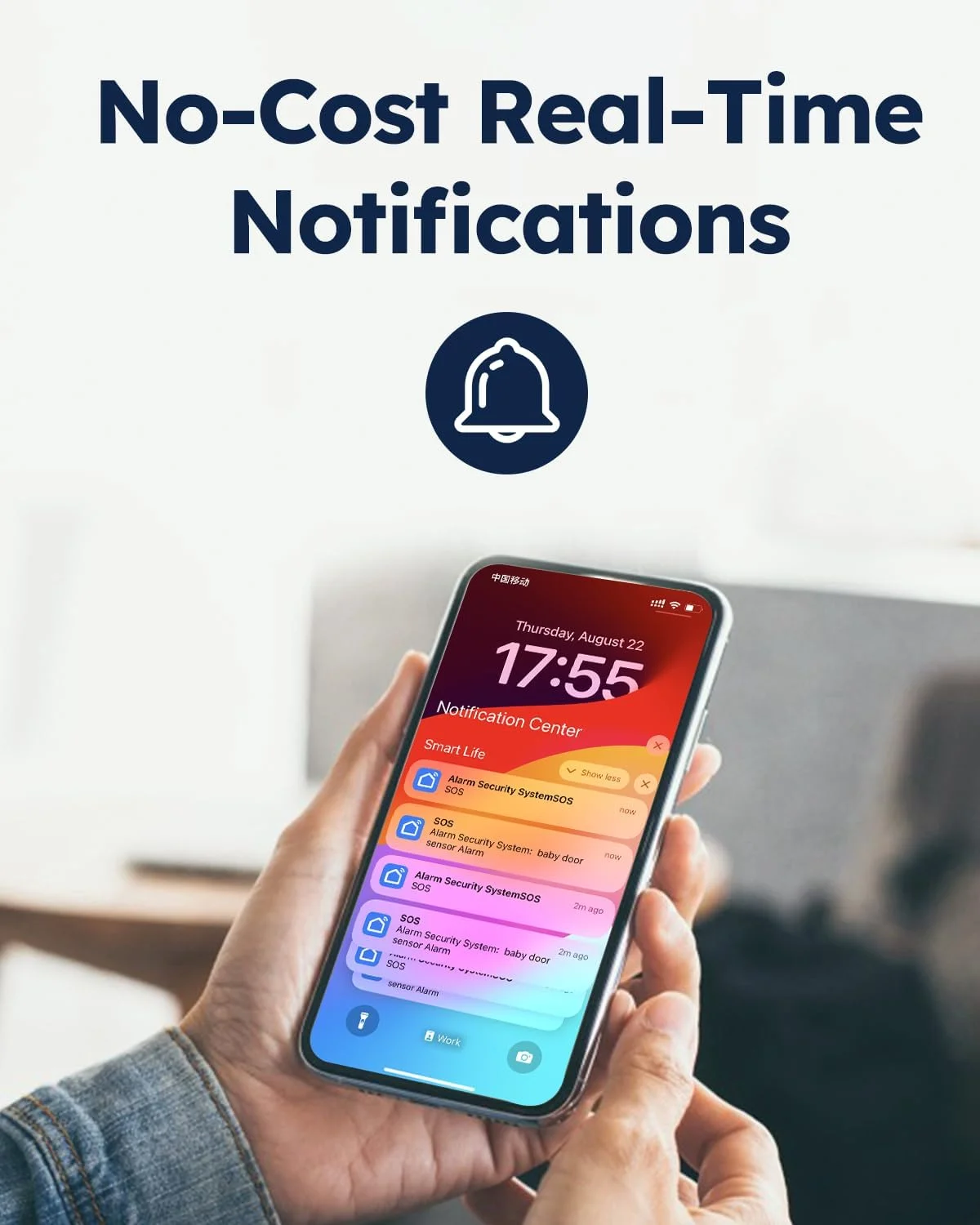
Stop paying for recurring service contracts. This system is designed for the modern homeowner who demands privacy and financial freedom. By bypassing traditional monitoring services, you own your data and your device, enjoying professional security features for a one-time investment. Manage your entire home ecosystem directly through our dedicated app.
Monitor your home from anywhere via the intuitive app
Instant Alerts & Proactive Deterrence
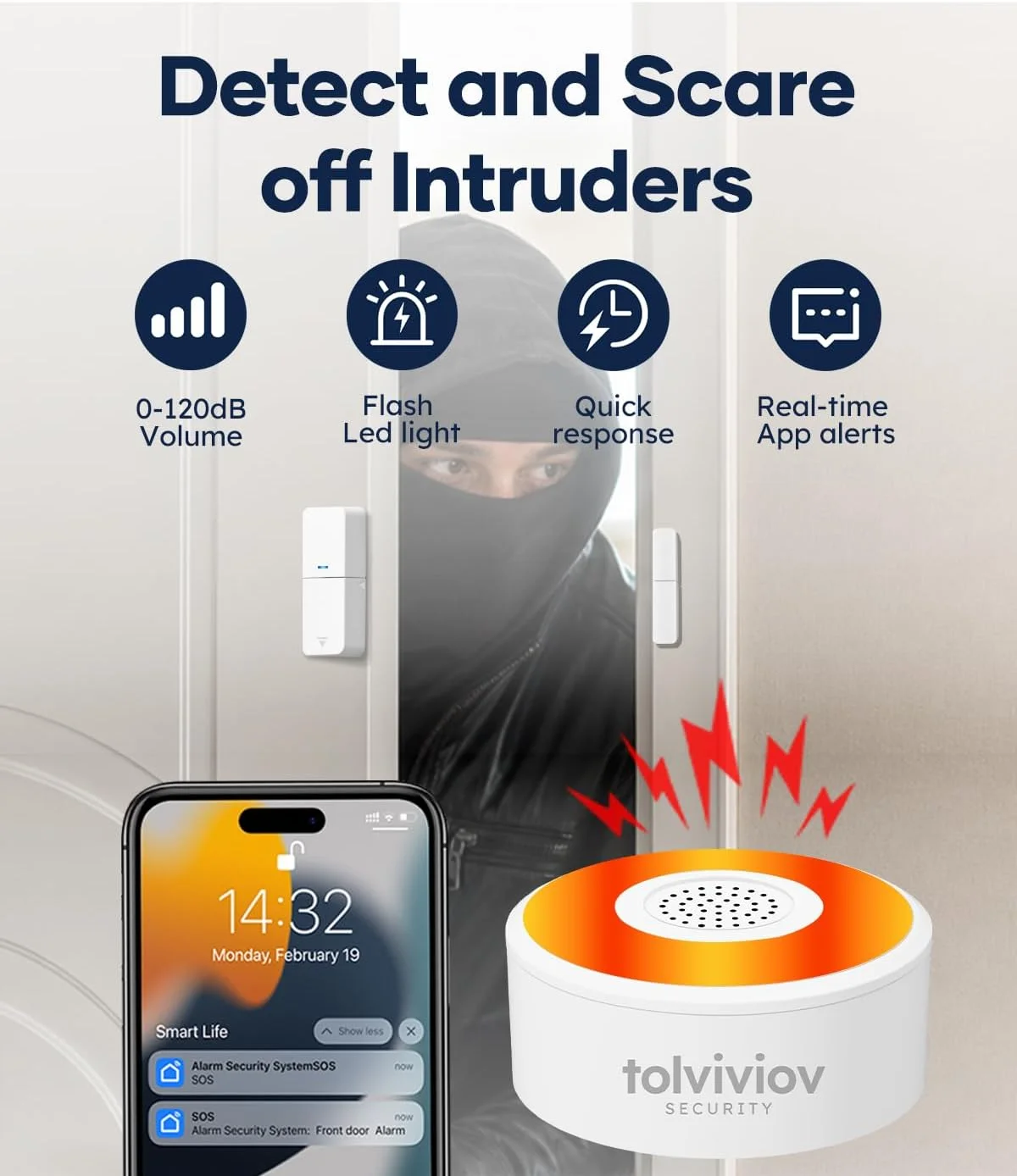
Knowledge is the first line of defense. The moment a door or window is breached, the high-decibel 120dB siren triggers, serving as an immediate deterrent to intruders while simultaneously sending a real-time push notification to your smartphone. With smart motion sensing and perimeter protection, you’ll never be caught off guard.
High-intensity 120dB siren scares off potential intruders
Effortless DIY Installation
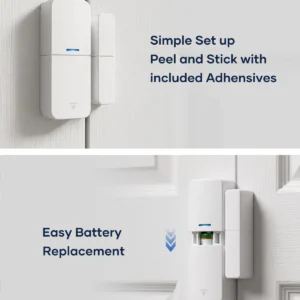
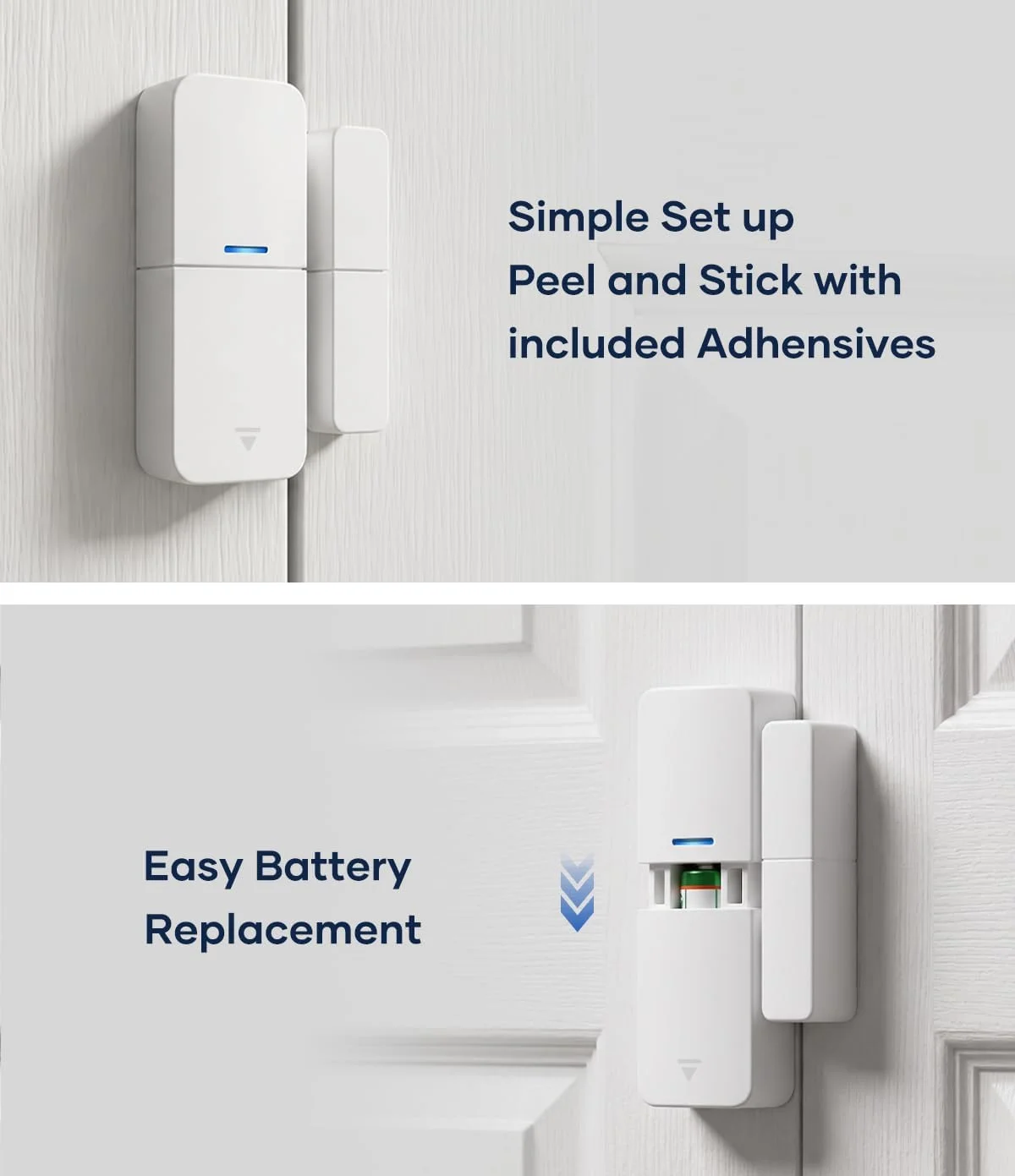
Forget the hassle of drilling holes or hiring technicians. Our wireless components utilize premium adhesive mounting for a clean, damage-free setup that takes minutes. The system is designed for maximum flexibility, allowing you to easily scale your security by adding up to 20 sensors or extra remote controls as your needs evolve.

Simple peel-and-stick installation for every sensor
Seamless Smart Home Integration
Integrate your security into your daily smart home routine. Our WiFi alarm base station works seamlessly with Amazon Alexa, allowing you to arm and disarm your system using simple voice commands. It is the perfect marriage of high-tech convenience and rugged reliability.

Enjoy hands-free security with Alexa voice commands
Reliability That Never Quits
Security is only as good as its uptime. We have engineered this kit with an 8-hour battery backup system, ensuring that your home remains protected even during power outages or internet interruptions. Reliability is our core promise to you.

8-hour battery backup keeps you safe during power failures
What’s In The Box?
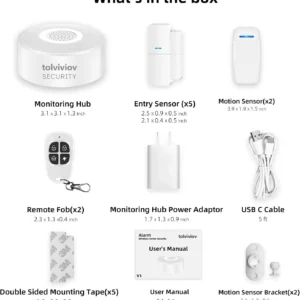
Everything you need to secure your home is included: 1 WiFi base station, 5 door sensors, 2 motion detectors, and 2 remote keyfobs. Backed by a 24-month warranty and industry-leading customer support, your investment is fully protected.
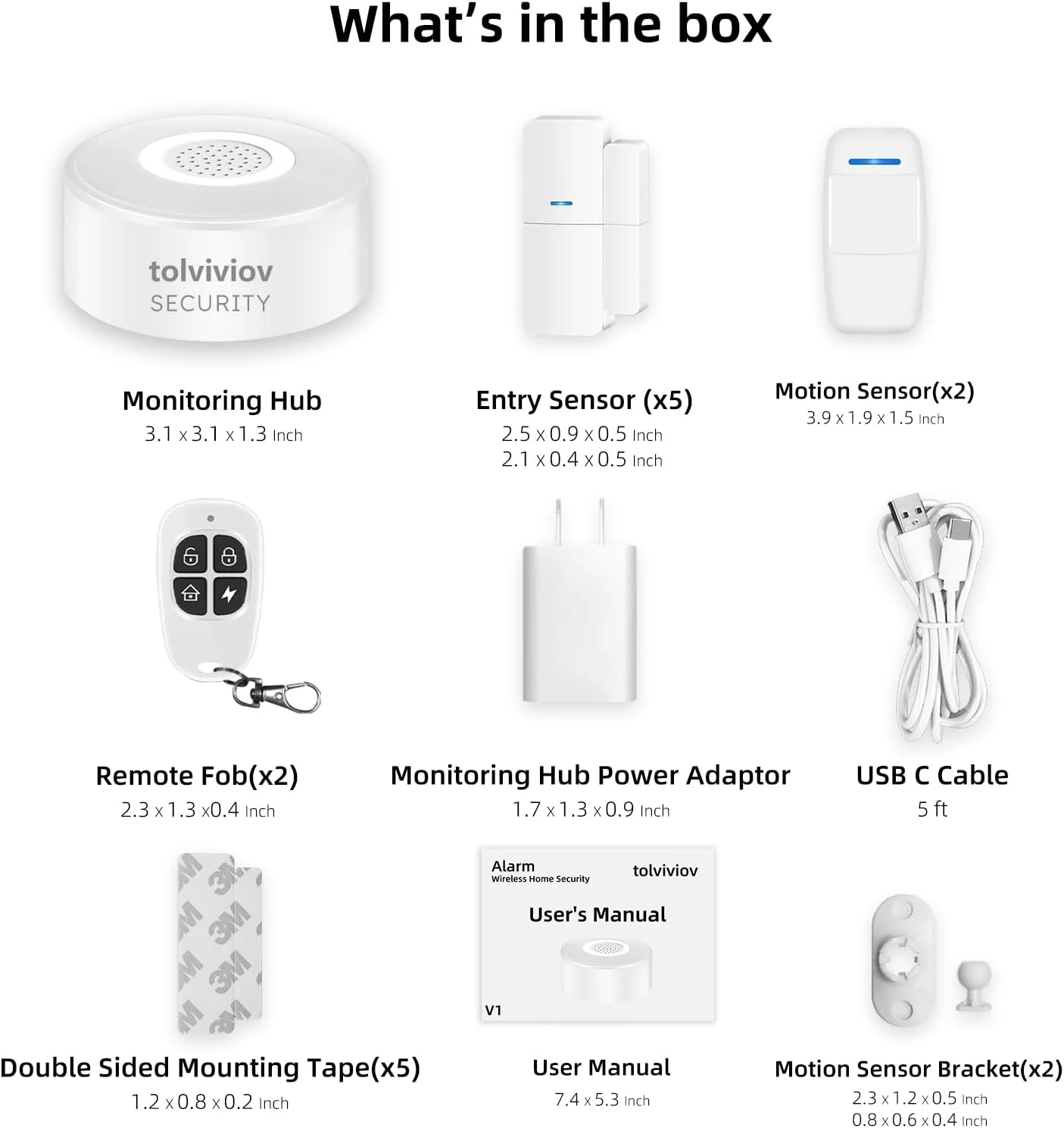
A comprehensive 10-piece bundle ready for instant use