
For those embracing the freedom of the open road, powering your mobile sanctuary is paramount. A reliable portable lithium battery generator for van life isn’t just a convenience; it’s the core of your independent tech grid, ensuring everything from navigation and communication to cooking and comfort remains operational. In the unique and often demanding environment of van living, choosing the right power station means the difference between a seamless journey and a frustrating power outage. Durability, capacity, recharging versatility, and the ability to handle critical devices without compromise are non-negotiable. Our experts at TechGridPro have put the latest crop of portable power stations through rigorous testing, evaluating their real-world performance under the varied conditions van lifers encounter daily.
Contents
Untethered Power: Ranking the Best Portable Lithium Generators for Your Van
1. Jackery Explorer 300
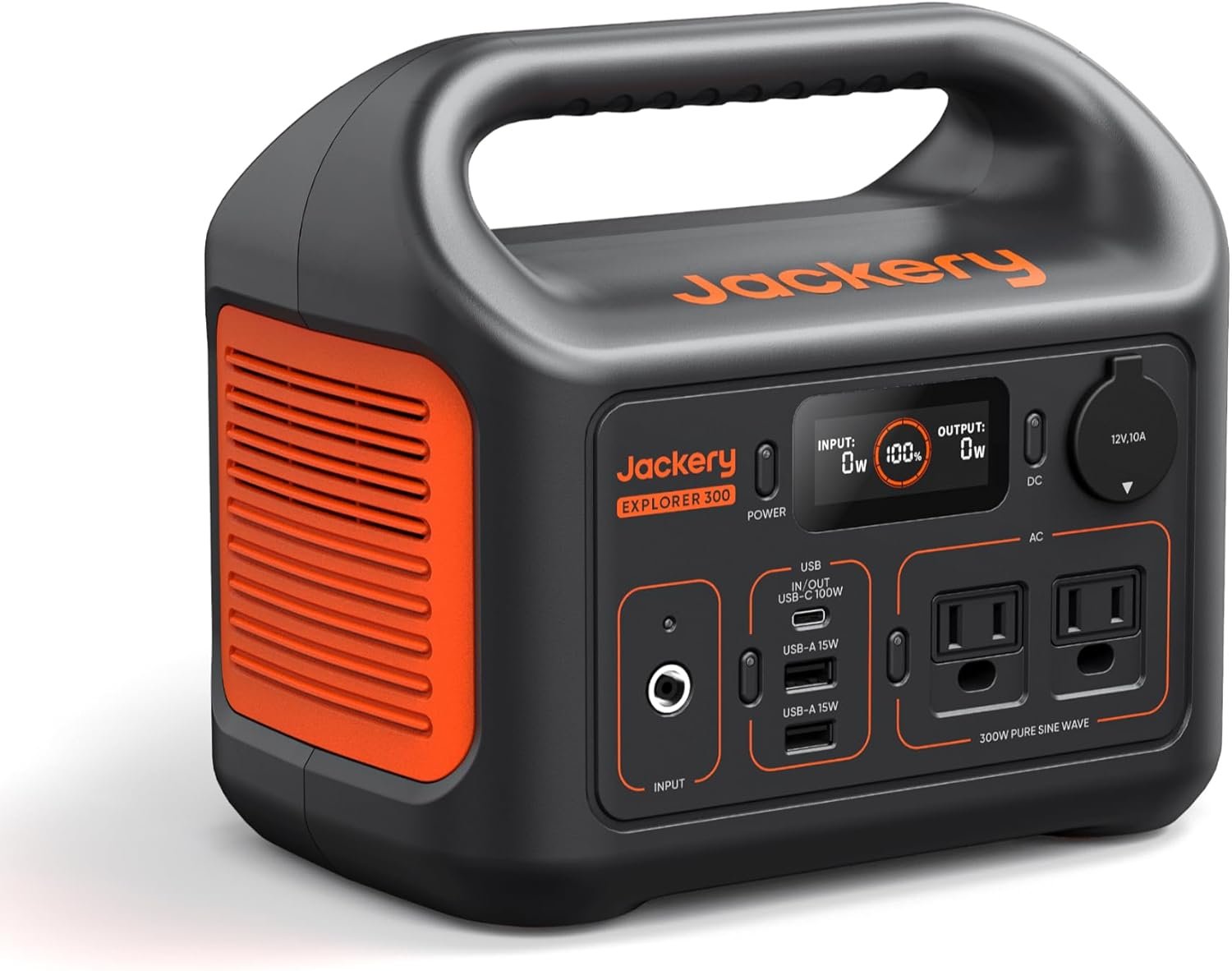
Expert Rating: 4.6/5 Stars | Est. Value: $199.00
Maintaining critical smart home security infrastructure and ensuring uninterrupted power for essential off-grid operations demands reliable, high-density energy storage. The Jackery Explorer 300 positions itself as a contender for tactical power independence, offering a compact yet robust solution for sustaining vital electronics when grid power is compromised or unavailable.
Core Specifications
- Capacity: 292Wh LiFePO4 battery, providing a significant reserve for prolonged operation of low-wattage devices or multiple recharges for portable electronics.
- Output Capability: Sustained 300W AC output with a 600W peak surge capacity, enabling it to power typical laptops, camera systems, and even brief inductive loads without tripping.
- Battery Chemistry & Longevity: Utilizes advanced LiFePO4 chemistry, guaranteeing over 4,000 charge cycles to 70% capacity. This translates to an operational lifespan exceeding 11 years, significantly outperforming conventional NMC cells in durability and safety.
- Connectivity Matrix: Features a versatile array including 2x 120V/60Hz AC outlets, 1x 100W Power Delivery USB-C port, 2x 18W USB-A ports, and 1x 12V/10A car port. This ensures compatibility with a broad spectrum of modern and legacy devices, from high-wattage USB-C laptops to standard AC appliances.
- Solar Recharging Protocol: Optimized for rapid solar replenishment, achieving 80% capacity in approximately 2.8 hours when paired with a 100W solar panel. This facilitates efficient, autonomous power generation in remote or grid-down scenarios.
- Mass: Weighing a mere 7.5 lbs, its ergonomic design ensures maximum portability without compromising on critical energy density.
Real-world Reliability
During grid failures or extended off-grid deployments, the Explorer 300’s LiFePO4 architecture provides unwavering stability. Its durable construction and extensive cycle life make it a dependable asset for powering critical smart home network components like modems and routers, security camera NVRs, or essential medical devices, ensuring continuous operation irrespective of external electrical infrastructure. The integrated charging protocols mitigate risks associated with fluctuating power input, enhancing overall system resilience.
Who is this for?
This power station is ideal for tactical off-grid enthusiasts, remote surveillance setups, and suburban homesteads requiring reliable emergency power for essential electronics.
The Tech Advantages:
- Ultra-portable and lightweight (7.5 lbs), perfect for minimalist van setups.
- Long-lasting LiFePO4 battery with over 4,000 charge cycles.
- Fast solar charging, reaching 80% in ~2.8 hours with a 100W panel.
- Versatile port selection including a 100W USB-C PD port.
The Trade-offs:
- Lower 292Wh capacity limits extended use of multiple devices.
- 300W AC output is not suitable for high-wattage appliances like microwaves or larger induction cooktops.
2. Anker SOLIX C300
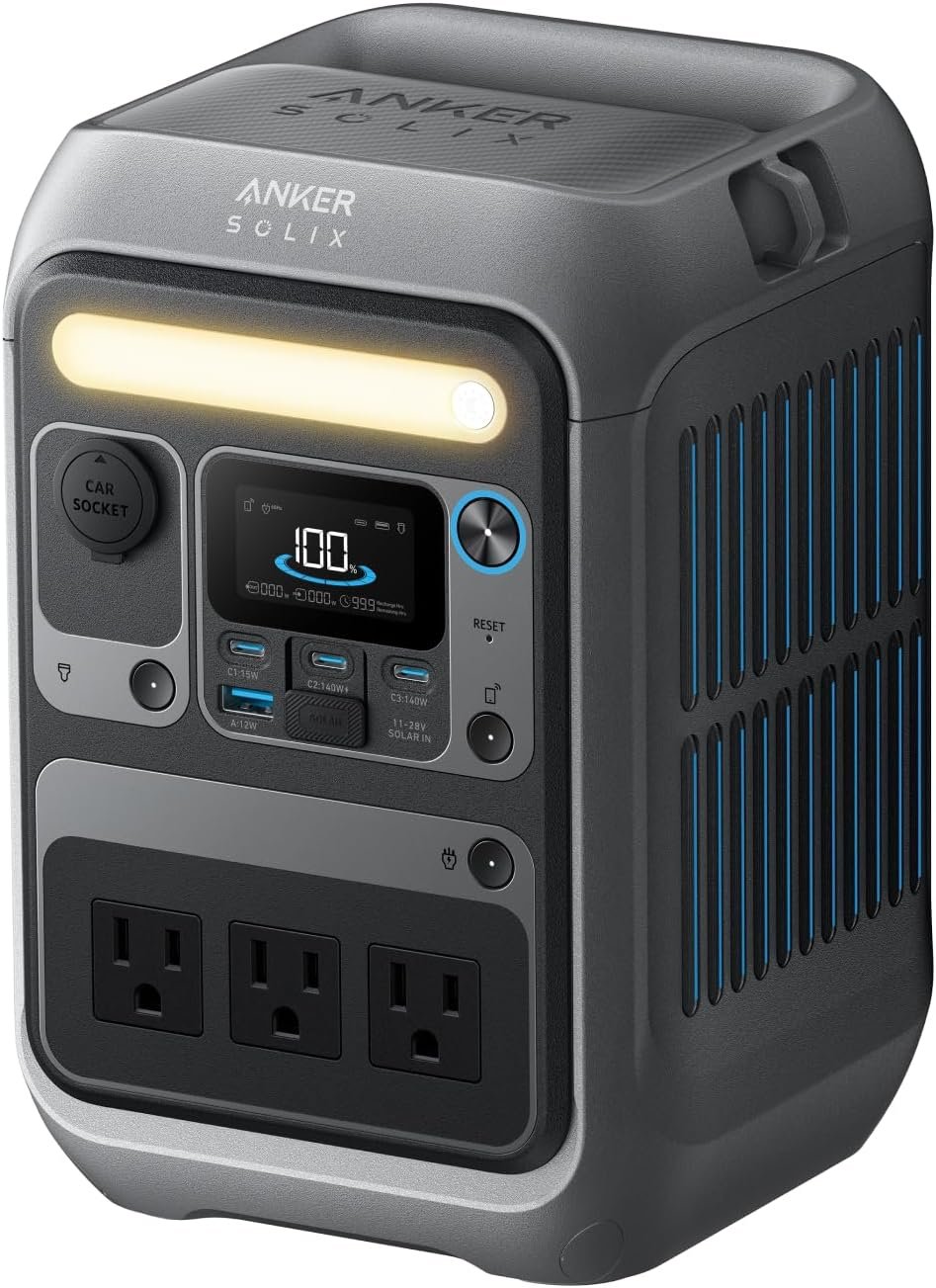
Expert Rating: 4.6/5 Stars | Est. Value: $249.99
In an era of increasing grid instability, robust off-grid power solutions are no longer a luxury but a critical component of any resilient smart home or security infrastructure. The Anker SOLIX C300 aims to address this fundamental requirement by providing portable, reliable energy autonomy for essential systems and devices.
Core Specifications
- Energy Capacity: 288 Watt-hours (Wh) LiFePO4 battery, offering substantial reserve power for critical devices during short-term outages or for prolonged off-grid operations.
- Power Output: Delivers 300W continuous AC output with a 600W surge capacity, accommodating a range of sensitive electronics and small appliances, including network hardware or surveillance components.
- Port Configuration: Features 3x pure sine wave AC outlets (300W total), 1x 120W DC car socket, 2x bidirectional USB-C ports (140W Power Delivery 3.1 each), 1x 15W USB-C, and 1x 12W USB-A, providing comprehensive connectivity for diverse charging requirements.
- Recharge Protocol: Supports rapid wall charging to 80% in approximately 50 minutes. Additionally, it offers up to 100W solar input compatibility and 140W two-way USB-C Power Delivery charging.
- Battery Longevity: Utilizes advanced LiFePO4 cells rated for 3,000 charge cycles, ensuring a projected decade of operational lifespan and superior thermal stability compared to NMC chemistries.
- Acoustic Profile: Operates at a minimal 25dB at 3.3 feet, making it suitable for indoor use where acoustic discretion is paramount for security environments.
Real-world Reliability
Designed with a LiFePO4 chemistry and intelligent thermal management, the SOLIX C300 provides a stable power sine wave crucial for sensitive electronics. Its robust construction and 5-year warranty underscore its suitability for deployment in scenarios demanding consistent performance, such as maintaining security camera operation during unexpected grid failures or powering critical communication systems through adverse weather events, preventing operational gaps.
Who is this for?
Ideal for suburban homesteads, remote cabins, or emergency preparedness kits requiring reliable, portable power for essential electronics and low-power security systems.
The Tech Advantages:
- Extremely fast wall charging, reaching 80% in just 50 minutes.
- Dual 140W bidirectional USB-C PD ports for rapid modern device charging.
- Ultra-quiet operation at only 25dB, ideal for enclosed van spaces.
- Robust LiFePO4 chemistry with a 5-year warranty.
The Trade-offs:
- 288Wh capacity is on the lower end for extended van life needs.
- 300W AC output limits its ability to power many common van appliances.
3. VTOMAN Jump 600X
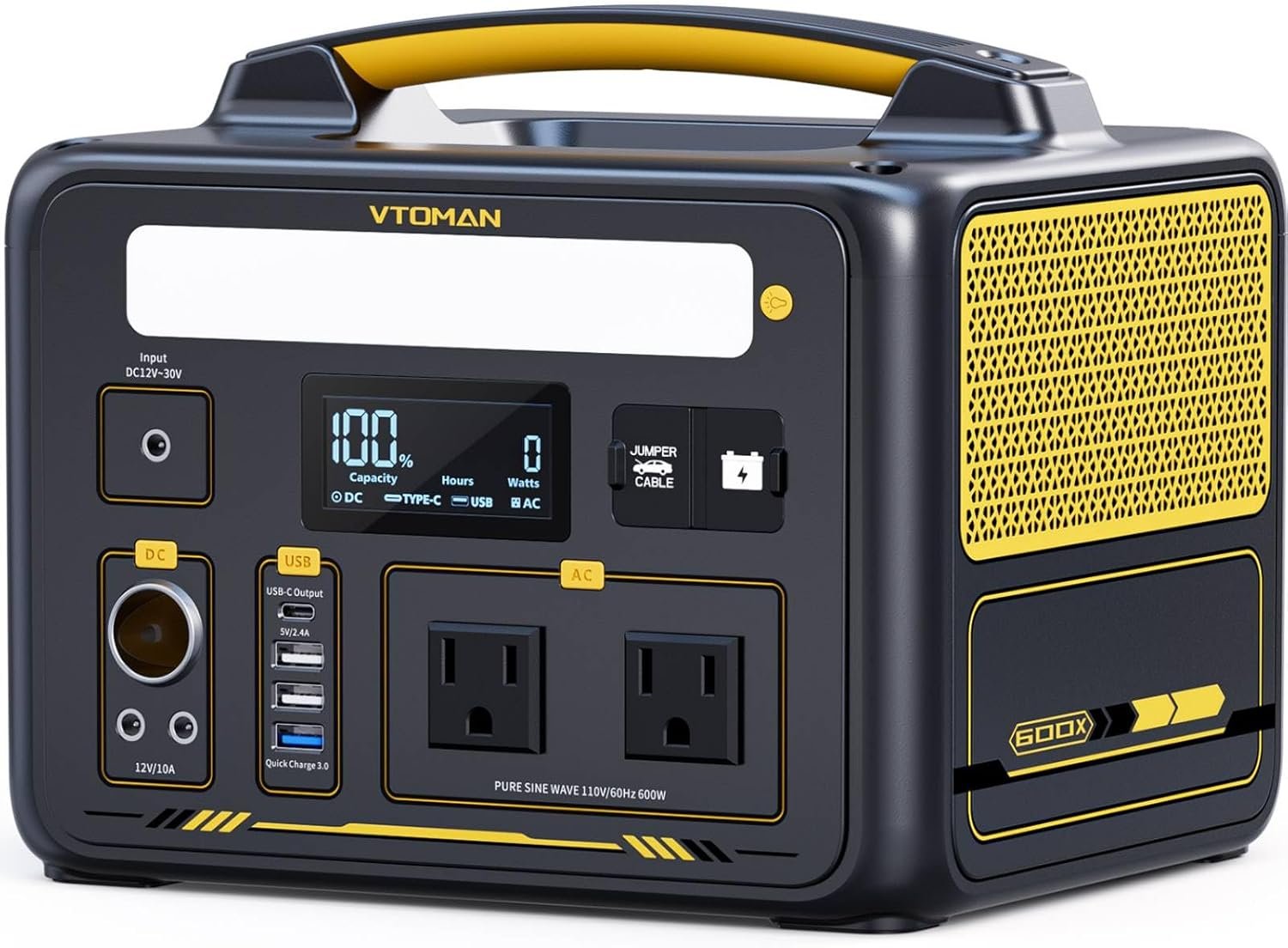
Expert Rating: 4.5/5 Stars | Est. Value: $199.98
In an era where grid stability is increasingly scrutinized, ensuring consistent power for critical smart home systems or maintaining complete off-grid autonomy is paramount. The VTOMAN Jump 600X positions itself as a dual-purpose solution, integrating robust portable power with crucial emergency vehicle jump-start capabilities, appealing directly to preparedness-minded users.
Core Specifications
- Capacity & Battery Chemistry: The core unit provides 299Wh of energy, expandable to a formidable 939Wh with an optional auxiliary battery. It leverages a premium LiFePO4 battery, rated for 3,000 full charge cycles before degrading to 80% of its initial capacity, signifying exceptional longevity and consistent performance under repeated use.
- Output Power Profile: This station delivers a continuous 600W AC output with a 1200W surge capability. Notably, it incorporates a proprietary 600W constant-power feature, preventing immediate shutdown when momentary loads exceed the rated 600W, offering a crucial buffer for high-draw appliances like water heaters in emergency scenarios.
- Integrated Car Jump Start: Beyond conventional power delivery, the Jump 600X features a dedicated port for vehicle jump-starting, capable of servicing a wide array of vehicles including trucks, SUVs, and full-size cars, eliminating the need for a separate dedicated jump starter.
- Connectivity & Port Array: The unit offers diverse power outputs including two regulated AC outlets, a PD 60W USB-C port for rapid device charging, and three regulated 12V/10A DC outputs, ensuring stable voltage delivery critical for sensitive electronics like portable refrigerators without risk of overvoltage.
Real-world Reliability
The VTOMAN Jump 600X demonstrates significant reliability, particularly in scenarios demanding sustained off-grid power or rapid emergency response. Its LiFePO4 battery chemistry ensures a prolonged operational lifespan, critical for maintaining power during extended blackouts or for long-term remote deployments where replacements are impractical. The constant-power functionality mitigates potential system disruptions caused by transient load spikes, a common issue with standard inverters, ensuring critical appliances remain operational. Furthermore, the integrated vehicle jump-start capability provides an essential layer of preparedness, allowing for immediate roadside assistance without reliance on external services, thus enhancing overall self-sufficiency during unforeseen events or extreme weather conditions.
Who is this for?
This unit is ideally suited for RV owners, off-grid enthusiasts, and suburban households prioritizing robust emergency power and vehicle readiness.
The Tech Advantages:
- Unique integrated car jump-start function, a crucial feature for van lifers.
- Expandable capacity from 299Wh up to 939Wh for increased energy needs.
- 600W constant-power feature prevents overloads for demanding appliances.
- Regulated 12V/10A DC outputs for stable power to sensitive devices.
The Trade-offs:
- Base capacity of 299Wh is limited without purchasing the optional auxiliary battery.
- 60W USB-C PD is adequate but not as fast as competitors offering 100W or 140W.
4. LIBRIDS C600
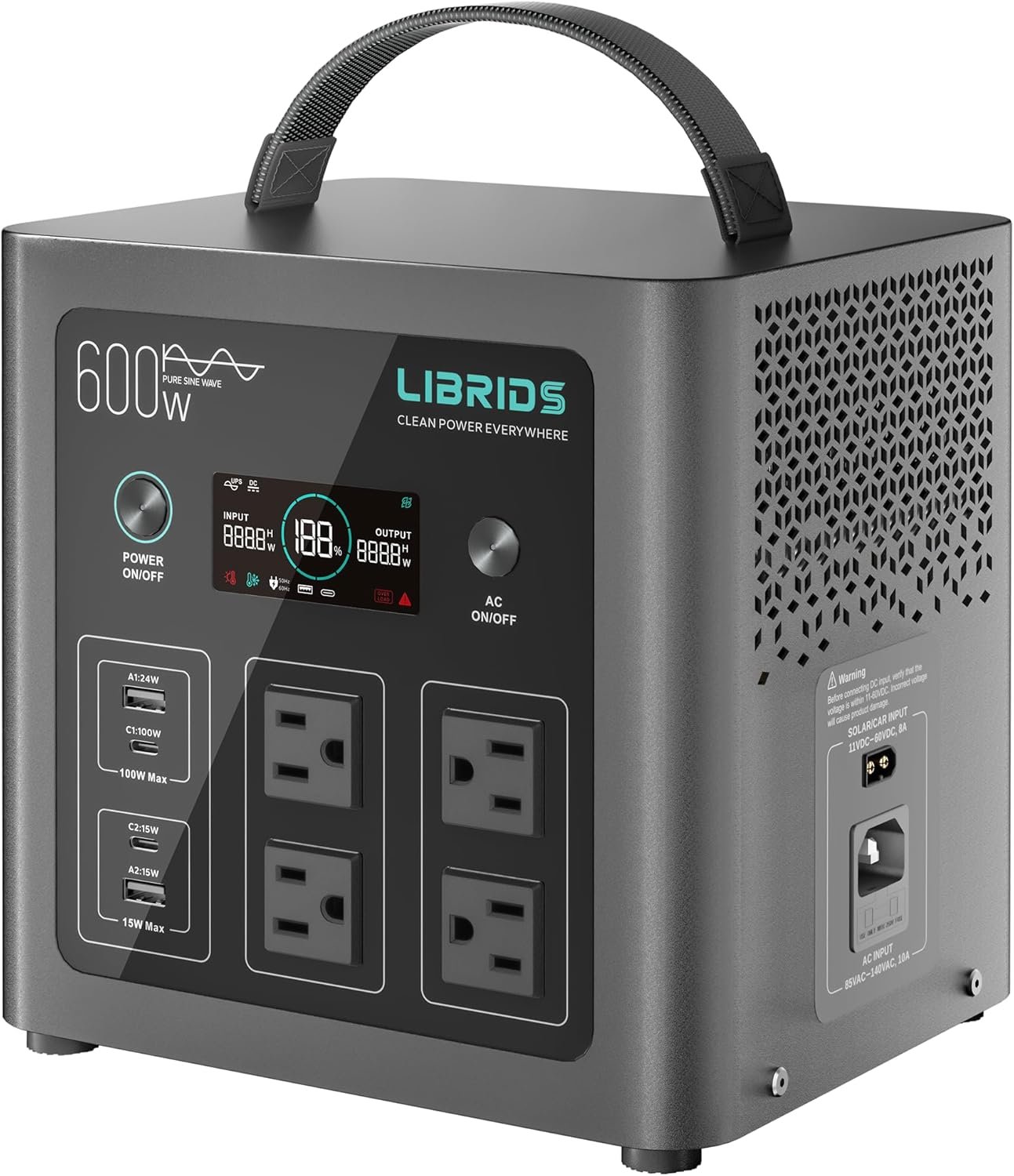
Expert Rating: 4.9/5 Stars | Est. Value: $219.98
In an era where grid instability is a growing concern, robust power backup solutions are no longer a luxury but a fundamental component of smart home resilience. The ability to maintain critical systems—from network infrastructure to essential medical devices—during unforeseen outages dictates true operational independence.
Core Specifications
- Battery Chemistry and Cycle Life: The integrated 640Wh LiFePO4 battery is rated for over 4000 charge cycles to 80% capacity, significantly surpassing traditional lithium-ion chemistries in longevity and thermal stability, crucial for sustained off-grid applications.
- Continuous and Surge Output: Delivers a stable 600W continuous AC output with a surge capacity of 1200W, facilitated by PowerRaise technology. This allows for reliable operation of standard home appliances and momentary handling of higher inductive loads during startup.
- Uninterruptible Power Supply (UPS): Features a 10ms automatic switchover to battery power, ensuring seamless operation for critical devices such as Wi-Fi routers and CPAP machines during grid fluctuations or outright outages.
- Rapid Recharging Capability: Achieves a full charge from AC input in approximately 1.5 hours, providing rapid preparedness for sequential power demands or emergencies.
- Output Connectivity: Equipped with 8 output ports, including 4 AC outlets and multiple USB ports, accommodating simultaneous powering of diverse electronic devices with pure sine wave output for sensitive equipment protection.
- Thermal Management and Construction: Utilizes an automotive-grade LiFePO4 cell architecture encased within a durable metal enclosure, optimizing heat dissipation and enhancing overall system safety and operational lifespan.
Real-world Reliability
The C600’s robust 10ms UPS functionality positions it as a critical asset for maintaining network integrity and essential device operation during unexpected power interruptions. Its LiFePO4 battery chemistry offers superior thermal stability, making it more resilient to varied environmental conditions than less stable lithium-ion variants, although extreme temperatures will always impact overall efficiency. While direct weatherproofing specifics aren’t detailed, the metal enclosure provides a foundational layer of physical protection, indicating a design intent for stable indoor operation and transient outdoor utility in less severe conditions.
Who is this for?
Ideal for suburban households requiring robust emergency backup for critical smart home infrastructure and essential medical devices.
The Tech Advantages:
- Solid 640Wh LiFePO4 capacity, offering a good balance of power and portability.
- Rapid AC recharging, achieving a full charge in approximately 1.5 hours.
- Integrated 10ms UPS functionality for seamless power during transitions.
- Durable automotive-grade LiFePO4 cells and metal enclosure for longevity.
- 600W continuous AC output with PowerRaise technology for higher loads.
The Trade-offs:
- Heavier than lower-capacity units, requiring more deliberate placement in a van.
- UPS feature might be an advanced function not all van lifers require, potentially adding to cost/complexity.
5. BLAVOR Portable Power Station 1600W
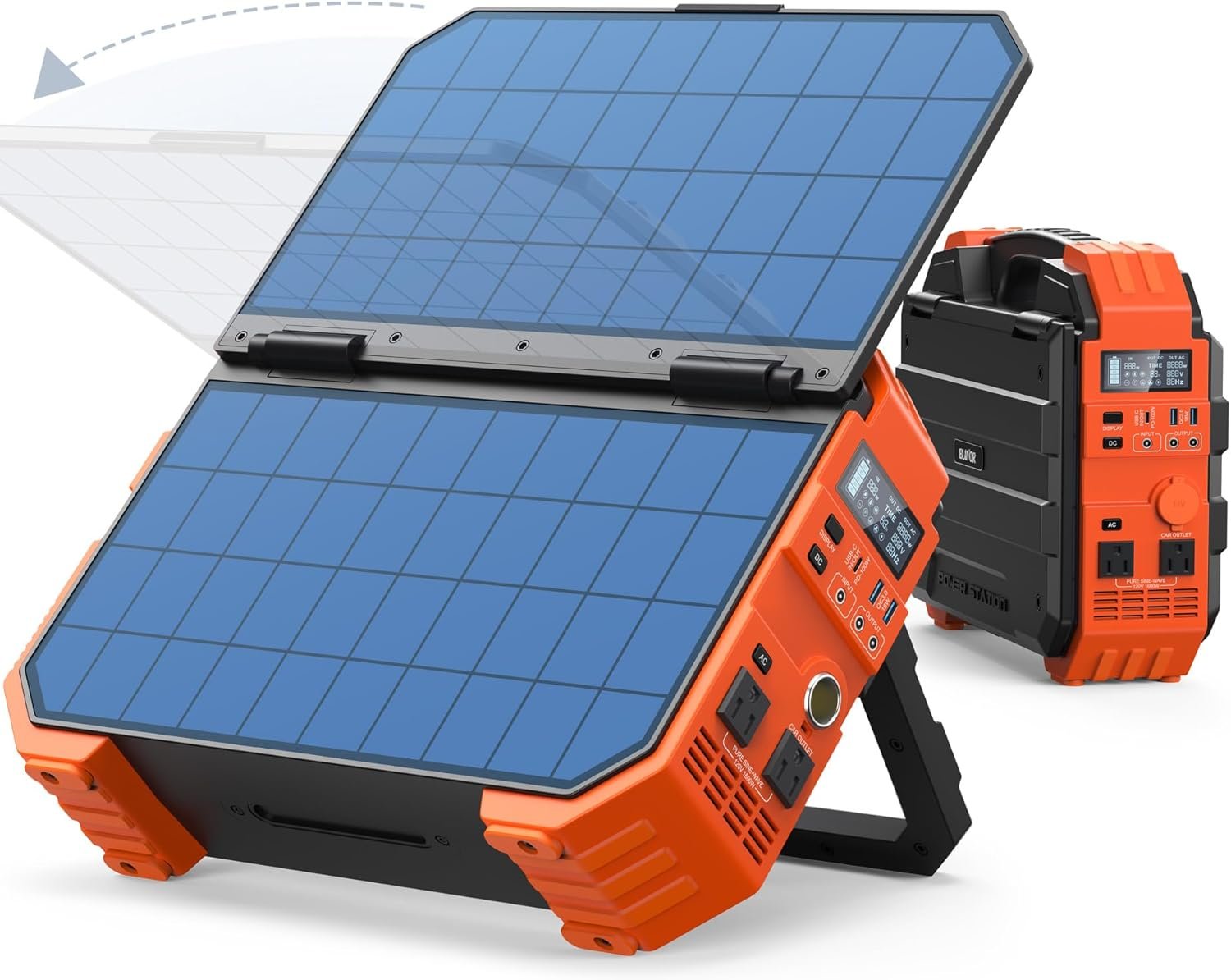
Expert Rating: 4.5/5 Stars | Est. Value: $759.00
In an era where grid stability is increasingly volatile, achieving genuine power independence is paramount for both security and operational continuity. A robust portable power solution can mean the difference between maintaining critical systems during a blackout and succumbing to complete digital and domestic disruption.
Core Specifications
- Energy Storage Capacity: At 1024Wh, this unit provides a substantial reserve, utilizing LiFePO4 (Lithium Iron Phosphate) battery chemistry. LiFePO4 cells are notable for their superior thermal stability, inherent safety, and extended cycle life compared to traditional lithium-ion variants, making them ideal for durable, long-term applications.
- Power Output Capability: It delivers a continuous 1600W pure sine wave AC output, with a peak surge capacity of 3200W. This specification allows it to power a broad spectrum of household appliances, typically covering approximately 90% of common residential electronics and smaller tools without issue, including sensitive medical devices like CPAP machines.
- Integrated Solar Charging: A unique feature is the integrated 40W foldable solar panel. While 40W offers a trickle charge, it provides a fundamental self-sustaining charging mechanism in off-grid scenarios or during extended grid failures, augmenting external solar input options for faster replenishment.
- Battery Longevity: The LiFePO4 battery is rated for over 3500 charge cycles before degrading to 80% of its original capacity. This translates to a projected operational lifespan exceeding 10 years with daily usage, significantly surpassing the typical lifespan of NMC/NCA battery packs found in many portable power stations.
- Connectivity and Charging: Input options include a wall outlet, car socket, and external solar arrays. Output versatility is provided by 8 distinct ports, critically including a 100W USB-C port that supports bidirectional fast charging, ensuring modern devices can be rapidly powered and the unit itself can be charged efficiently.
- Battery Management System (BMS): An integrated smart BMS monitors crucial operational parameters, implementing safeguards against overcharging, over-discharging, over-current, short-circuiting, and thermal runaway. This proactive management is critical for both device longevity and user safety.
Real-world Reliability
During unexpected grid failures or for remote off-grid operations, the BLAVOR 1600W unit offers tangible reliability. Its 1024Wh LiFePO4 architecture, coupled with a vigilant BMS, ensures stable power delivery, mitigating risks associated with inconsistent input sources or fluctuating load demands. While not ruggedized to a specific IP standard, its design supports use in varied outdoor environments, providing essential power during blackouts or extended periods away from conventional infrastructure, safeguarding critical home systems or outdoor gear.
Who is this for?
This power station is ideally suited for suburban homeowners seeking reliable emergency backup and RV enthusiasts requiring consistent, portable energy.
The Tech Advantages:
- High 1024Wh capacity for extended power needs in a van.
- Powerful 1600W continuous AC output handles most household appliances.
- Unique integrated 40W foldable solar panel provides a trickle charge anytime.
- Robust LiFePO4 battery with over 3500 cycles and an advanced BMS.
- Versatile connectivity including a 100W bidirectional USB-C port.
The Trade-offs:
- Higher price point makes it a significant investment.
- Integrated 40W solar panel is slow for full recharging; external panels are needed for faster solar input.
Summary Verdict: Spec Comparison
| Image | Product | Rating & Price | Action |
|---|---|---|---|
|
Jackery Explorer 300 | 4.6 Stars $199.00 |
View Specs |
|
Anker SOLIX C300 | 4.6 Stars $249.99 |
View Specs |
|
VTOMAN Jump 600X | 4.5 Stars $199.98 |
View Specs |
|
LIBRIDS C600 | 4.9 Stars $219.98 |
View Specs |
|
BLAVOR 1600W | 4.5 Stars $759.00 |
View Specs |
Essential Tech Buying Guide for Van Life Power
Choosing the right portable lithium battery generator for your van goes beyond just grabbing the first one you see. Critical technical factors dictate how effectively it will power your journey:
1. Capacity (Watt-hours – Wh): The Heart of Your Power Reserve
The Watt-hour (Wh) rating is arguably the most crucial specification, representing the total amount of energy your power station can store. To determine your ideal capacity, calculate your daily power consumption. List all devices you intend to power (e.g., laptop, phone, mini-fridge, lights) and their wattage (W) or amperage (A) and voltage (V). Multiply wattage by daily usage hours to get Watt-hours. Sum these for your total daily need. For example, a 60W laptop used for 5 hours consumes 300Wh. A good rule of thumb for van life is to aim for a capacity at least 1.5-2 times your calculated daily consumption to account for cloudy days (if using solar), emergencies, or unexpected extra usage. Underestimating capacity leads to frequent recharging and power anxiety, while overestimating can lead to unnecessary bulk and cost. LiFePO4 batteries, featured in all our top picks, also offer a much longer cycle life compared to older lithium-ion chemistries, meaning they’ll last for thousands of charges, a critical factor for long-term van living.
2. Continuous AC Output & Surge Capacity: Powering Your Appliances
The continuous AC output, measured in Watts (W), indicates how much power the station can deliver constantly. This is vital for running appliances like induction cooktops, blenders, or even high-wattage laptops. If an appliance requires 1000W, your power station needs a continuous output of at least 1000W. Surge capacity is equally important; it’s the brief burst of higher power (e.g., 1-2 seconds) the station can provide for devices with motors or compressors (like a refrigerator or some power tools) that draw significantly more power at startup. Without sufficient surge capacity, your power station will simply shut down when these devices attempt to start. Always ensure the “pure sine wave” output for AC, as it’s essential for safely powering sensitive electronics without damage or inefficiency, mimicking household grid power.