
Technical Review & Analysis
Upgrade your home security with the latest Ring Wired Video Doorbell, a professional-grade solution engineered for those who demand reliability without the hassle of changing batteries. By tapping into your home’s existing doorbell wiring, this device ensures 24/7 power, keeping your entryway monitored around the clock. Whether you are at the office or on vacation, you will have total visibility over your front porch with industry-leading optics and seamless smart home integration.
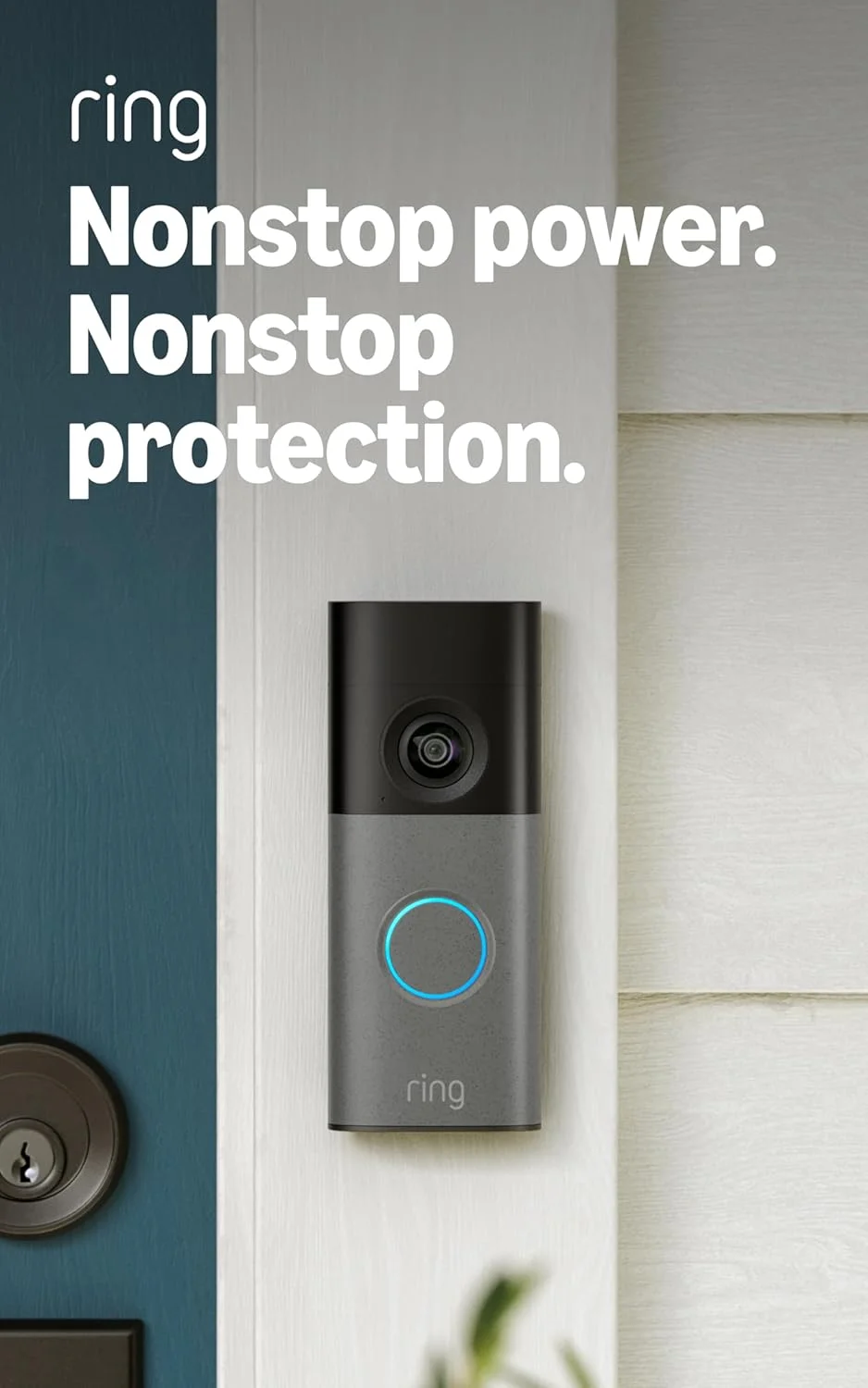
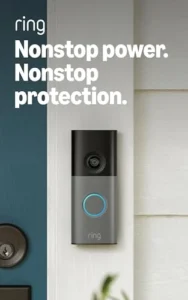
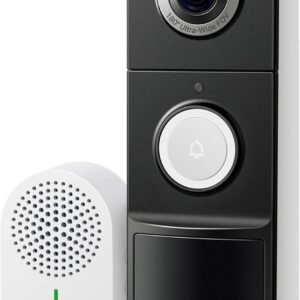
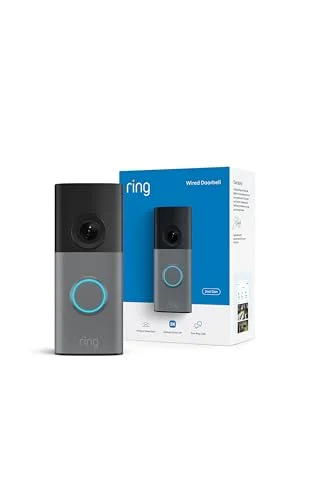
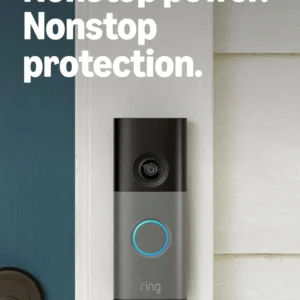
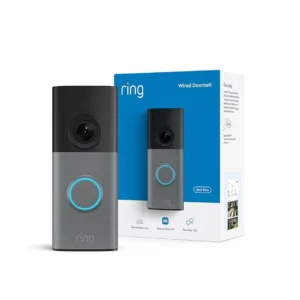
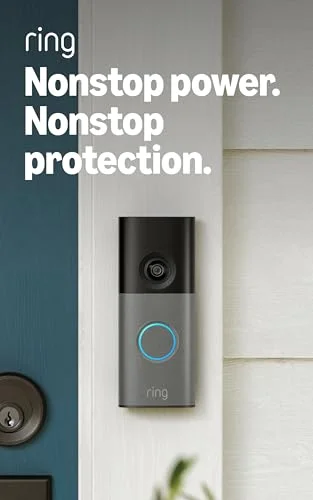
The newest Ring Wired Video Doorbell in modern Speckled Gray.
Contents
Unmatched Visual Clarity with Retinal 2K
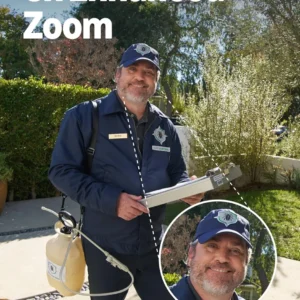
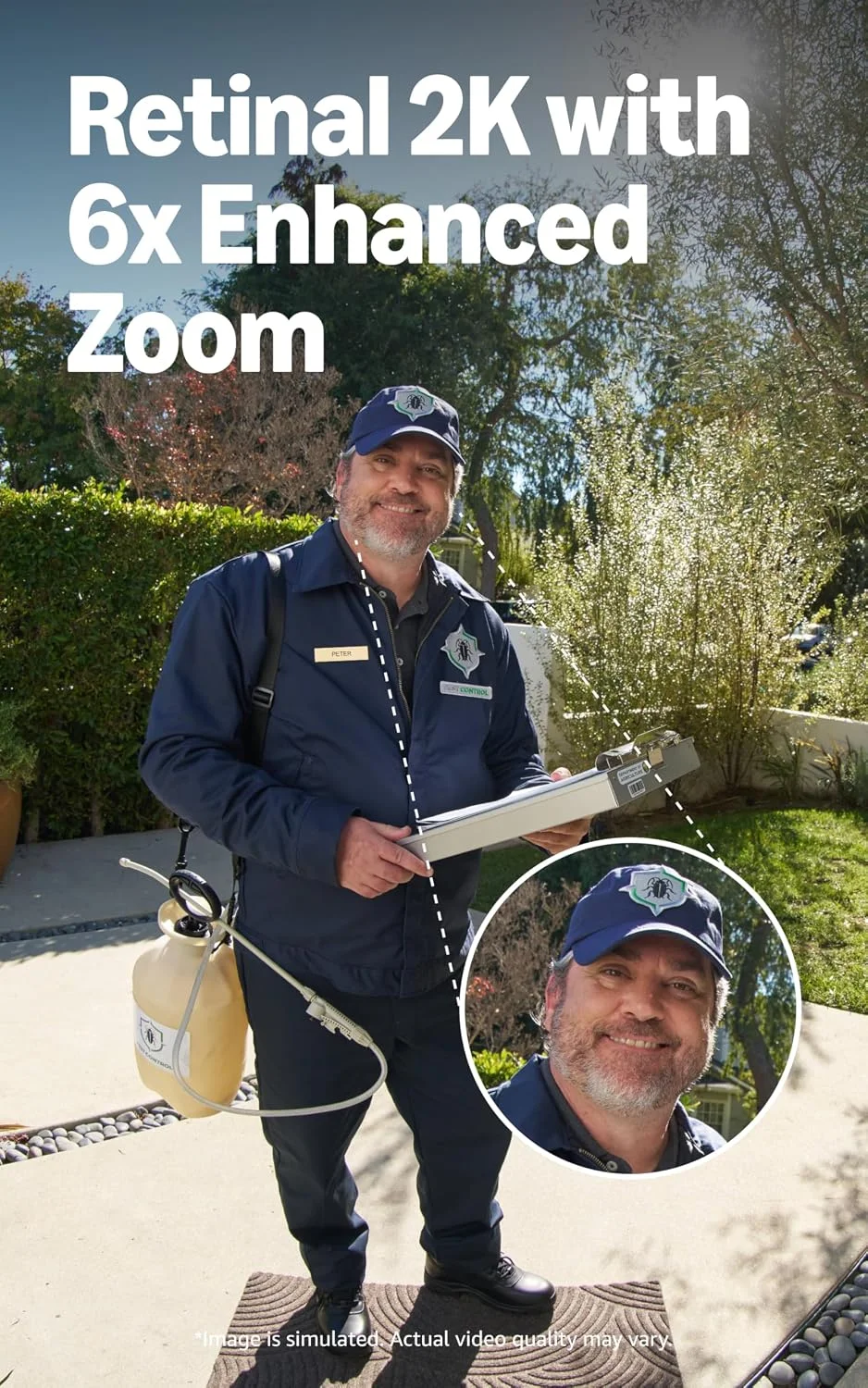
Experience precision like never before. The upgraded Retinal 2K sensor provides a crisp, wide-angle view of your property, ensuring every delivery and visitor is captured in stunning detail. Need to check a license plate or identify a package? The 6x enhanced digital zoom allows you to narrow your focus without losing clarity, putting you in complete control of your home’s perimeter.
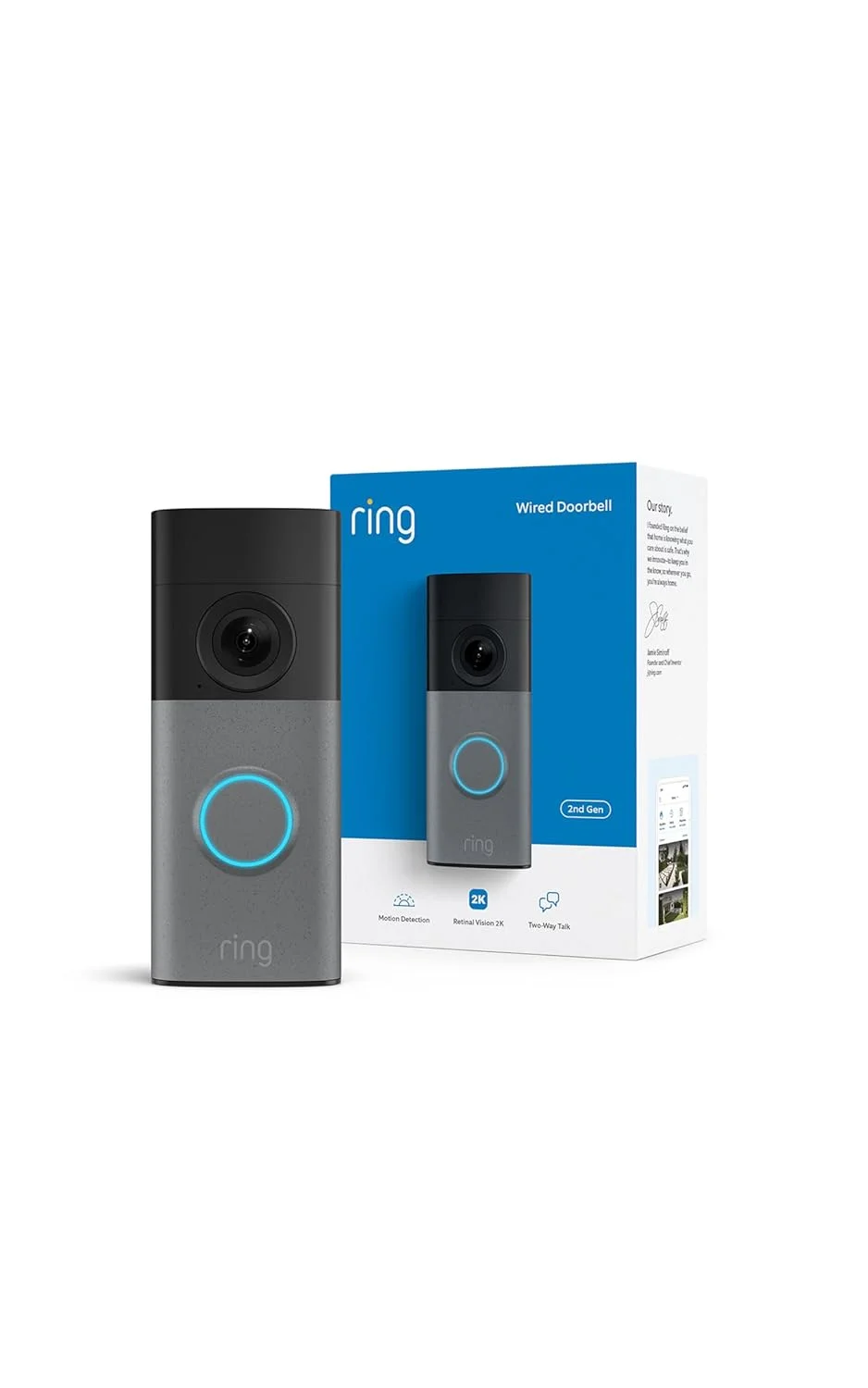
Crystal clear 2K resolution for superior facial recognition and detail.
Two-Way Talk and Real-Time Connectivity
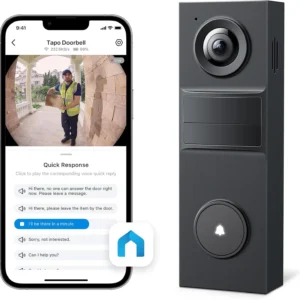
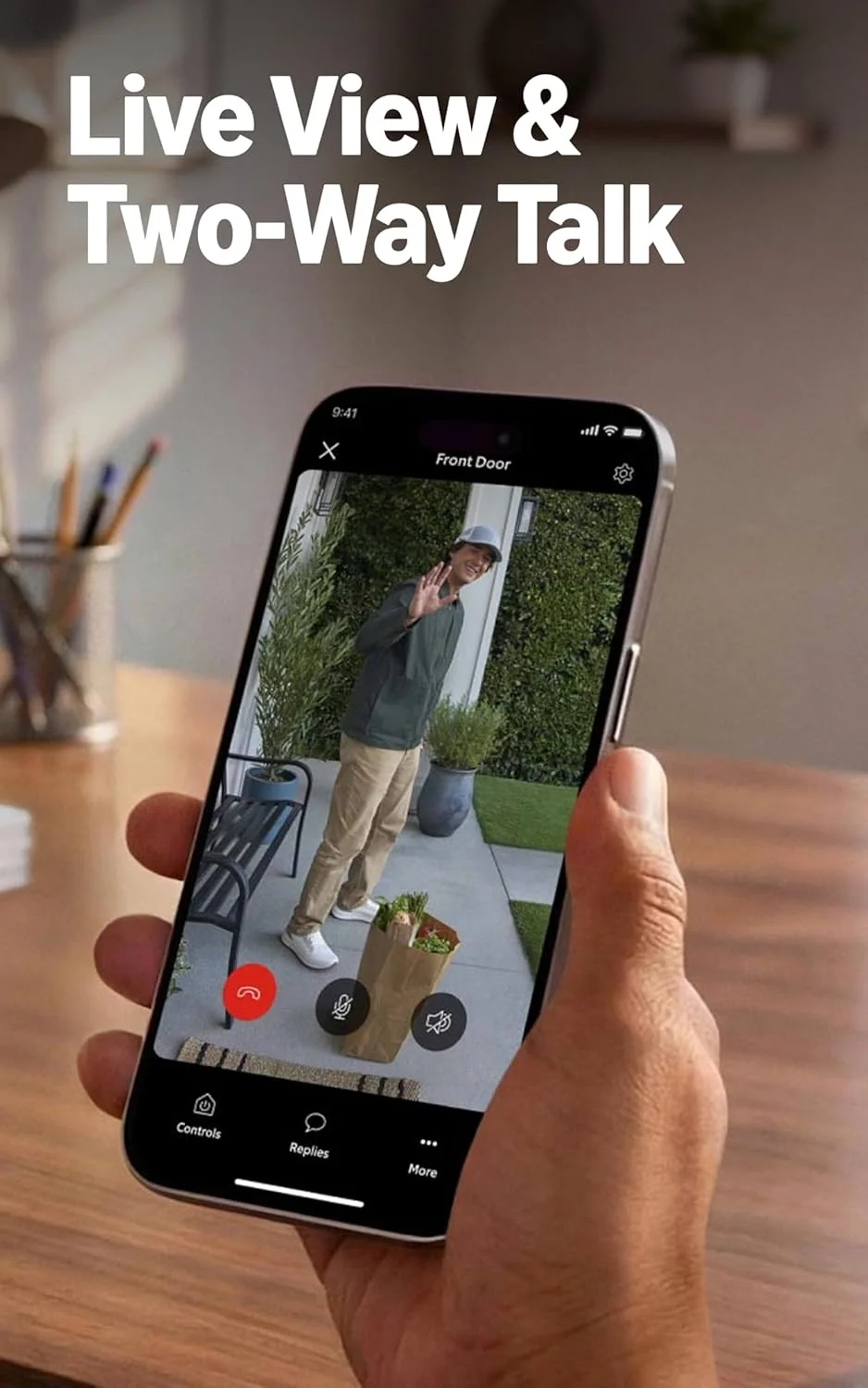
Never miss a visitor again. Equipped with high-fidelity Two-Way Talk, the Ring Wired Doorbell allows you to hear and speak to whoever is at your door via the Ring app. Whether you are providing instructions to a courier or greeting a guest, you are always just a tap away from communication.
Communicate in real-time from anywhere in the world.
Seamless Smart Home Integration
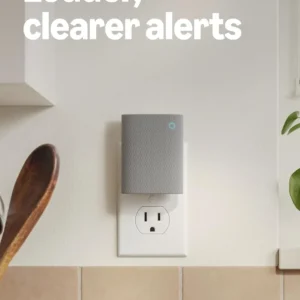
Elevate your smart home ecosystem by pairing your Ring Doorbell with Alexa. Utilize your Echo Show to launch a live video feed with simple voice commands, or set up your Echo Dot to act as an in-home chime. It is the ultimate convenience for a modern, connected lifestyle.
Works seamlessly with your Alexa-enabled smart devices.
Intelligent Motion Detection
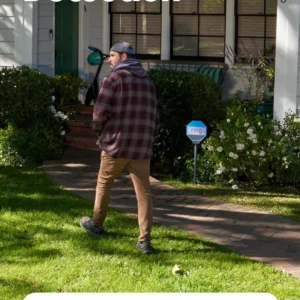
Stop guessing what is happening outside your door. Receive instant, accurate notifications on your smartphone the second motion is detected. With a Ring Protect subscription, you gain access to AI-powered alerts, helping you distinguish between people, animals, and packages, reducing false alarms and keeping your focus on what matters most.
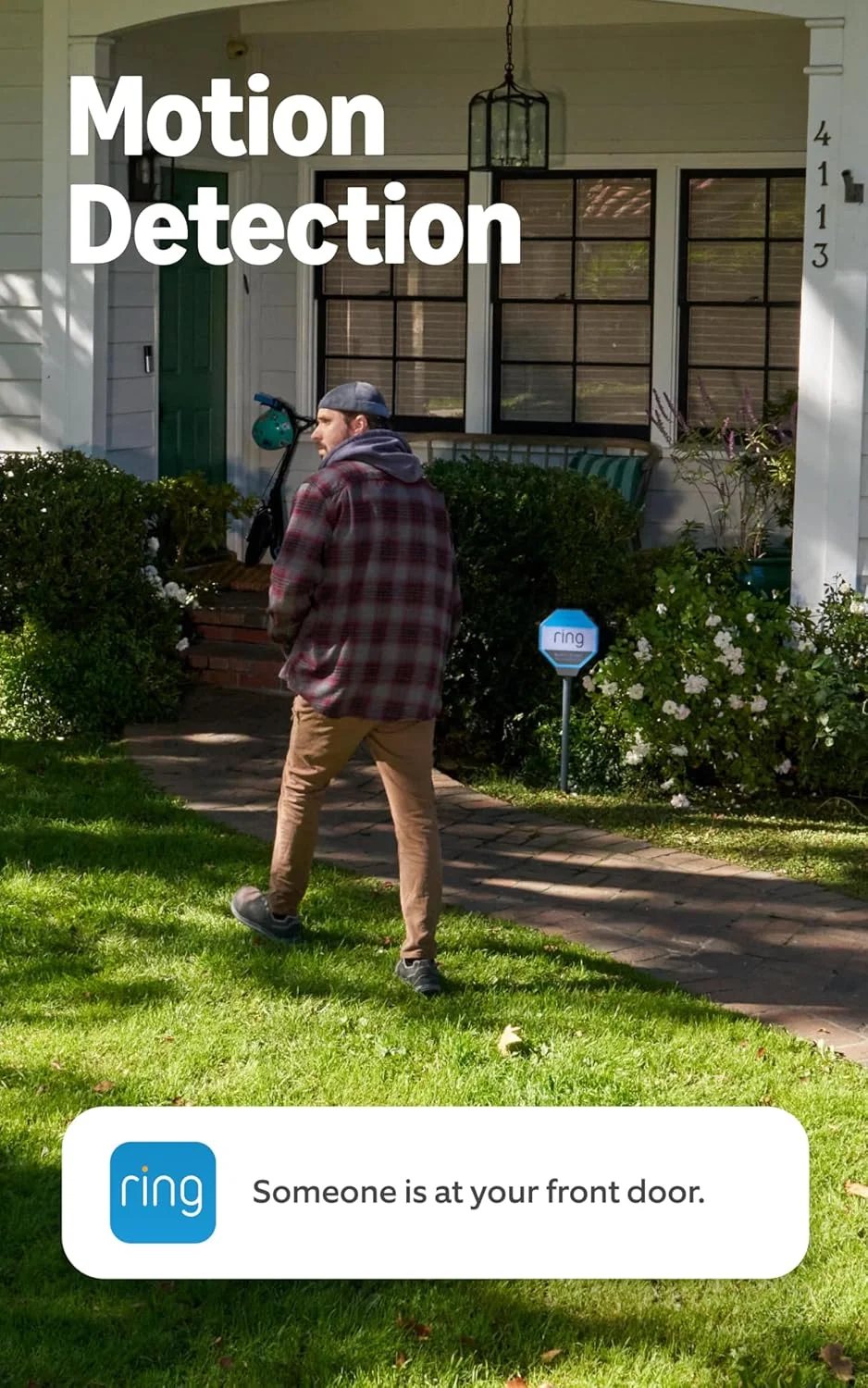
Get instant alerts directly to your phone.
Reliable Power and Durability
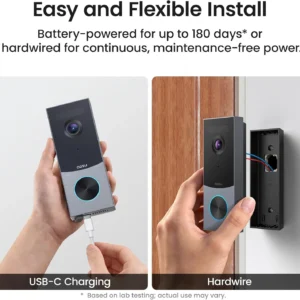
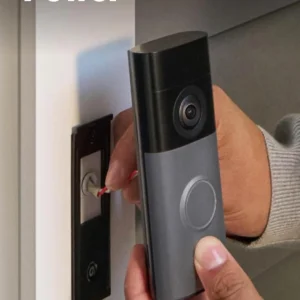
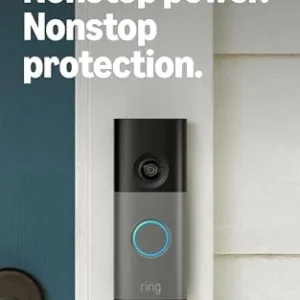
Built for the long haul, this doorbell connects directly to your home’s existing wiring, eliminating the risk of a dead battery. The sleek Speckled Gray finish is designed to complement any home exterior, providing a sophisticated look while offering rugged protection against the elements.
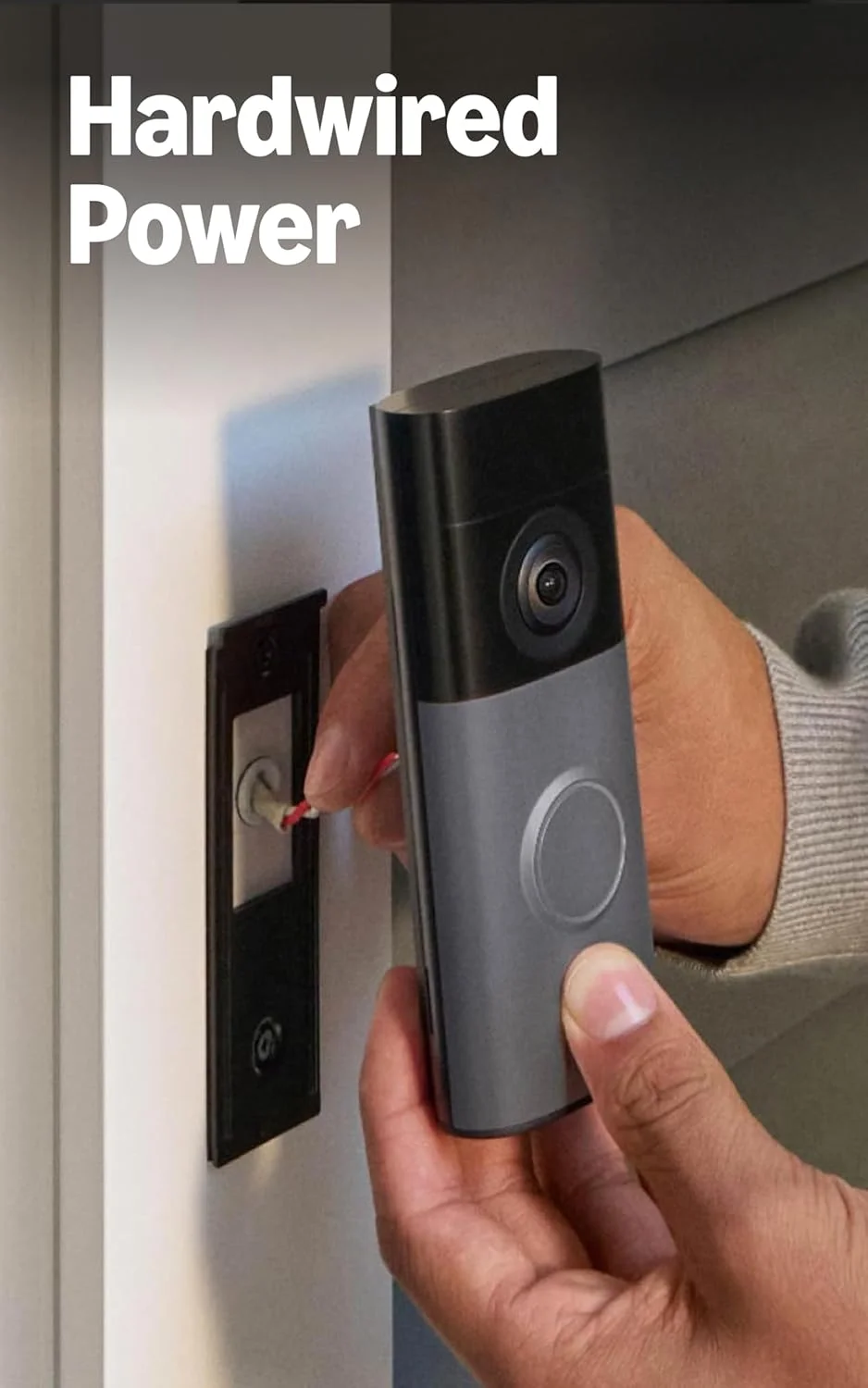
Reliable hardwired power for 24/7 security.
Rewind and Review with Video History
Missed an important moment? With a Ring Protect subscription (sold separately), you can record, save, and share your video history for up to 180 days. Review past events to see exactly what happened, giving you peace of mind and the evidence you need when it matters most.
Easily scroll back in time to review missed activity.