Technical Review & Analysis
In an era where grid stability is increasingly uncertain, ensuring continuous power for critical smart home infrastructure and essential off-grid operations is paramount. A robust portable solar solution offers not just energy independence but also a crucial layer of resilience against unexpected outages.
Core Specifications
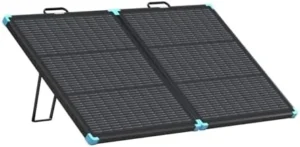
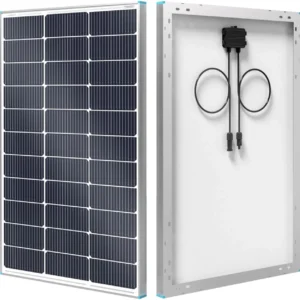
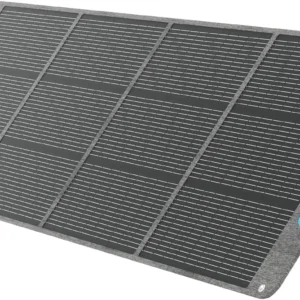
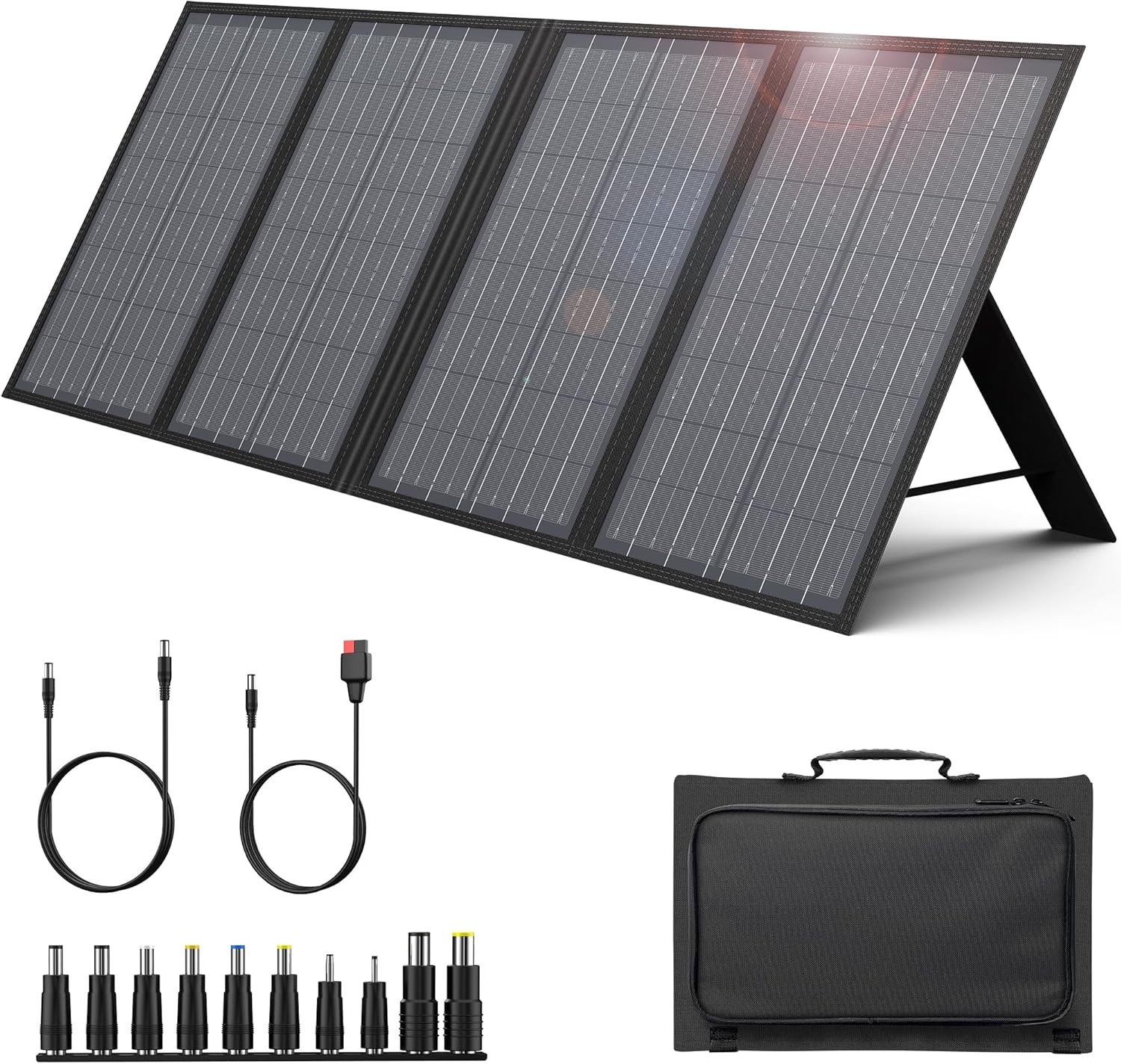
- Nominal Photovoltaic Output: 60W peak power. This module utilizes monocrystalline silicon cells to maximize energy capture within its compact form factor.
- Photovoltaic Conversion Rate: 22% efficiency, enabling effective electricity generation even in lower light conditions, which is critical for consistent power delivery across varying environmental scenarios.
- DC Output Rail: Variable 12V-18V at 3.3A maximum, providing a peak power delivery of 59.4W for direct connection to compatible power stations and DC-powered devices.
- USB-C Power Delivery (PD) Output: Capable of 5V/3A (15W), 9V/2A (18W), and 12V/1.5A (18W) via a single port, facilitating rapid charging for modern, power-hungry mobile devices and small electronics.
- USB Quick Charge 3.0 Output: Provides dynamic voltage delivery at 5V/3A (15W), 9V/2A (18W), and 12V/1.5A (18W), optimizing charge times for a broad range of QC-enabled peripherals.
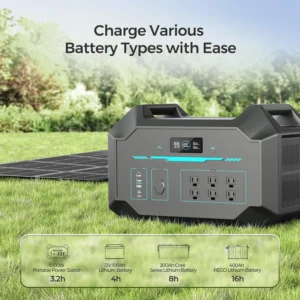
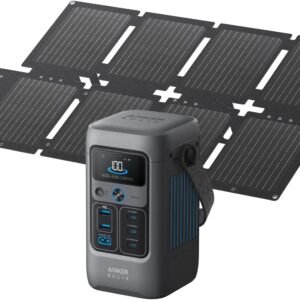
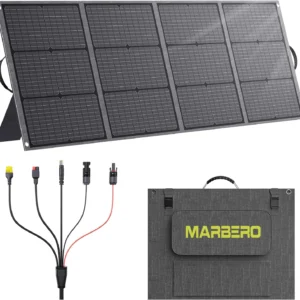
- Broad Power Station Interoperability: Includes a comprehensive set of 10 DC barrel adapters, alongside dedicated DC-to-Anderson and DC-to-DC cables, ensuring compatibility with a wide array of portable power stations including units from Jackery, Rockpals, and Flashfish.
- Ingress Protection: Rated at IPX4, indicating resistance to water splashes from any direction. This makes it suitable for temporary outdoor exposure but not prolonged immersion or heavy rainfall.
- Module Material Science: Monocrystalline silicon photovoltaic cells are integrated within a durable polyester fabric housing, designed for lightweight portability and robust field deployment.
Real-world Reliability
Its inherent reliance on direct solar insolation positions it as a critical asset for maintaining operational continuity during grid blackouts. The IPX4 rating provides adequate protection against light rain and splashes, ensuring basic functionality in adverse, though not extreme, weather conditions. For extended deployments or regions prone to heavy precipitation, additional weatherproofing would be a prudent measure. Its rapid deployment capability ensures swift energy capture when stationary grid infrastructure fails.
Who is this for?
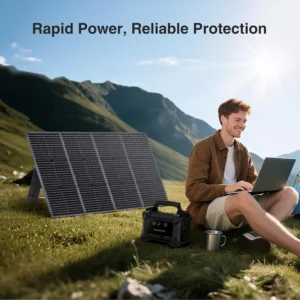
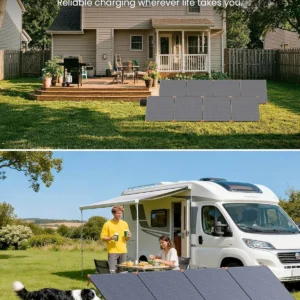
This unit is ideal for individuals prioritizing portable energy resilience for dispersed smart home sensor networks, critical communication relays during emergencies, or powering essential nomadic setups like RVs and expedition vehicles.