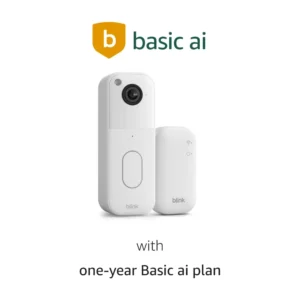
Technical Review & Analysis
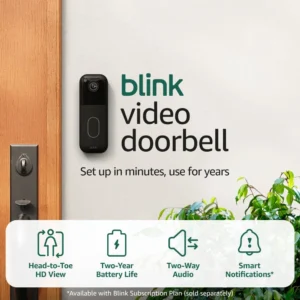
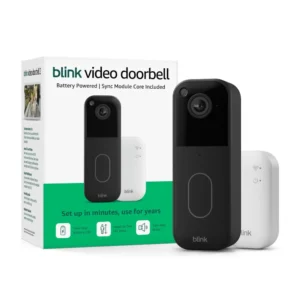
Upgrade your home security with the Blink Video Doorbell, the definitive solution for homeowners seeking peace of mind without the complexity of hardwired systems. Designed for reliability and ease of use, this second-generation smart doorbell delivers a comprehensive head-to-toe HD view, ensuring you never miss a detail—whether it’s a delivery on your porch or a visitor at your door. With its industry-leading two-year battery life, you can secure your entryway effortlessly, knowing your home is protected around the clock, day or night.
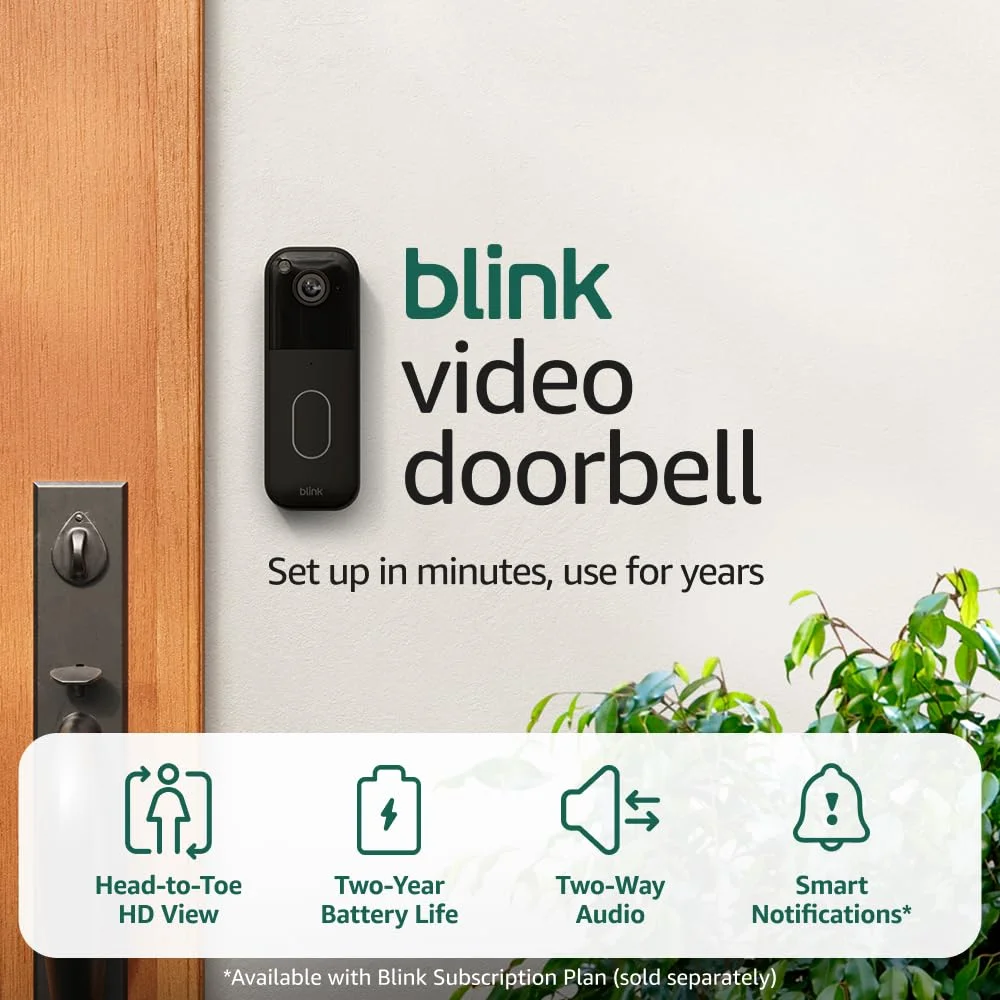
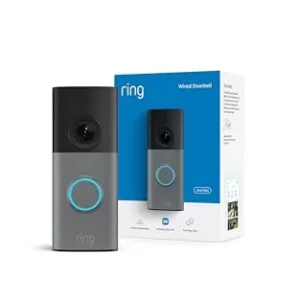
Crystal clear HD monitoring for your front entryway.
Contents
Unmatched Battery Longevity and Performance
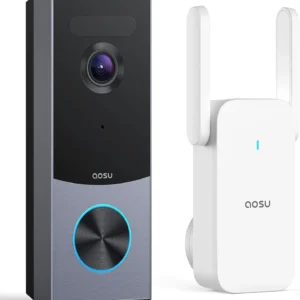
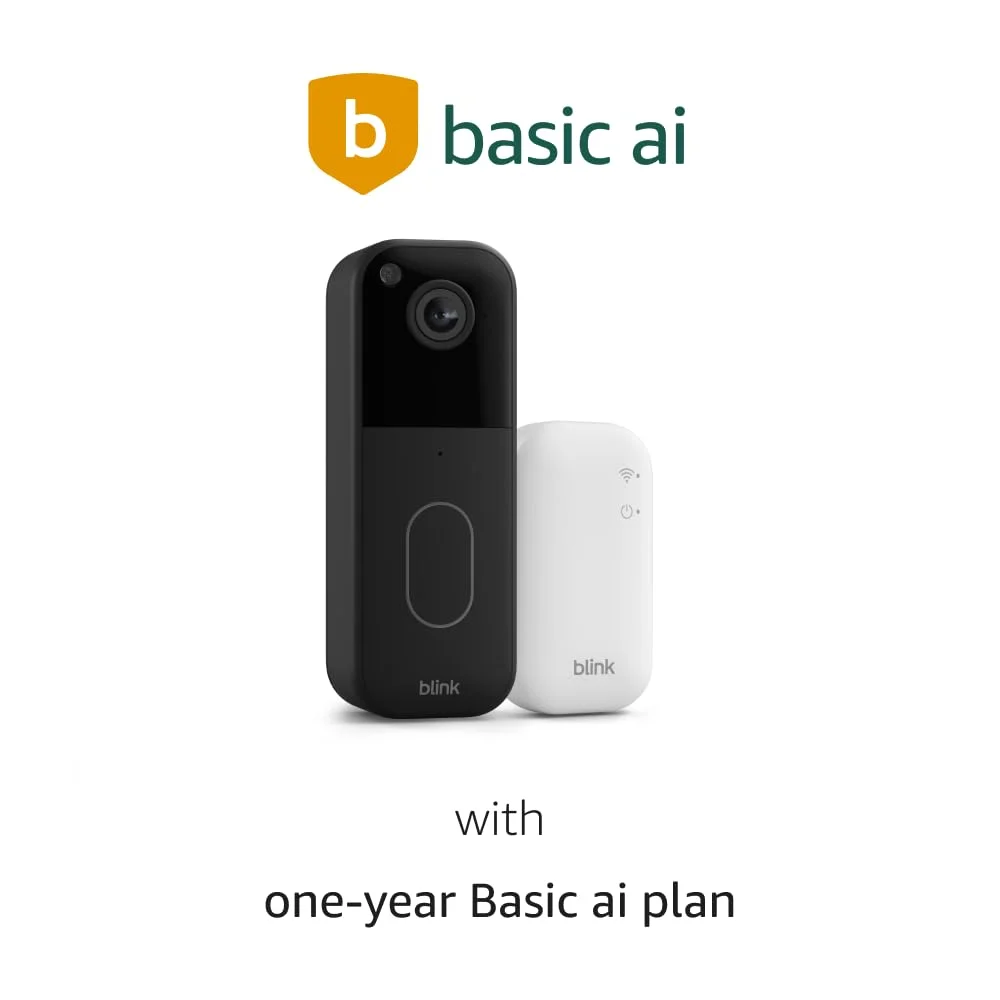
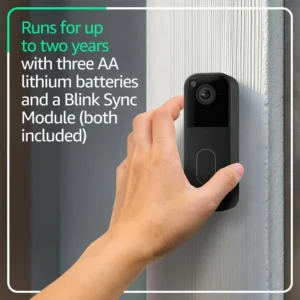
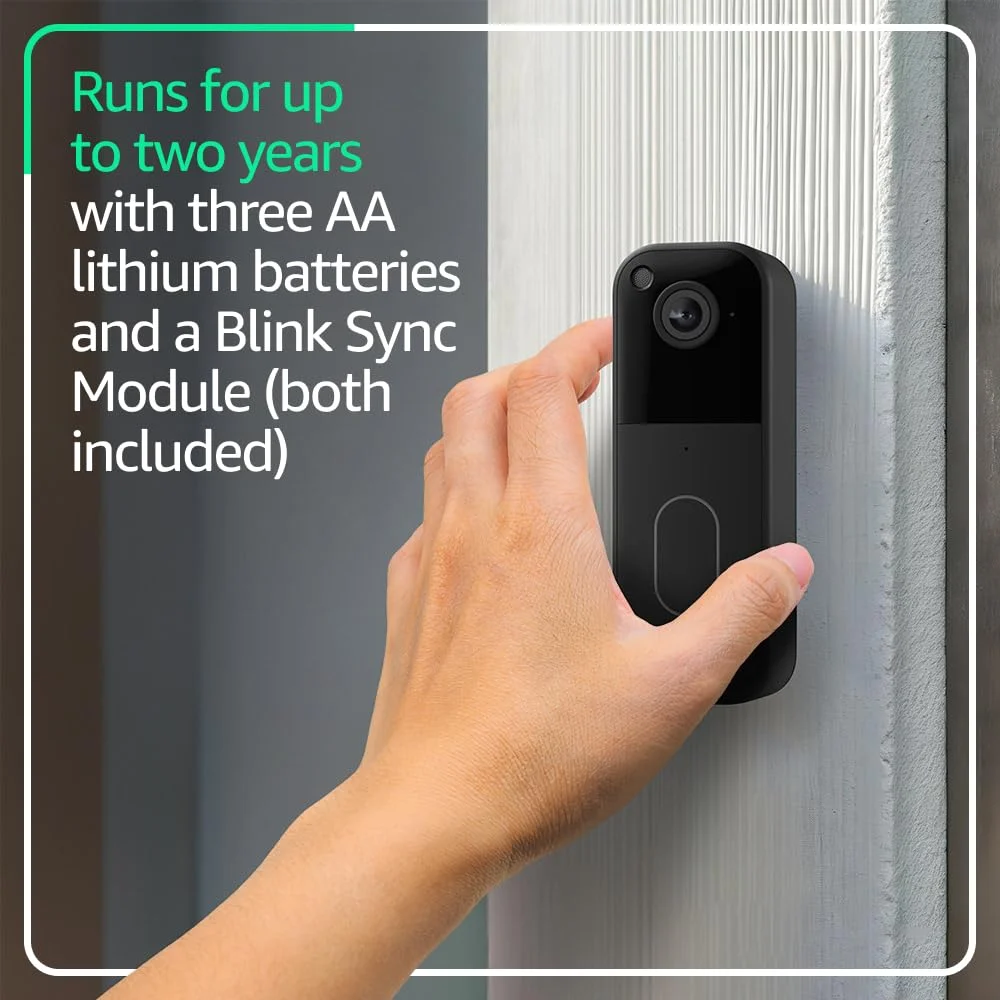
Forget the hassle of constant recharging. The Blink Video Doorbell is engineered for high efficiency, providing up to two years of continuous security coverage using just three AA Energizer lithium batteries. This system includes the essential Blink Sync Module Core, ensuring a stable connection and reliable performance for your entire setup, regardless of your home’s layout.
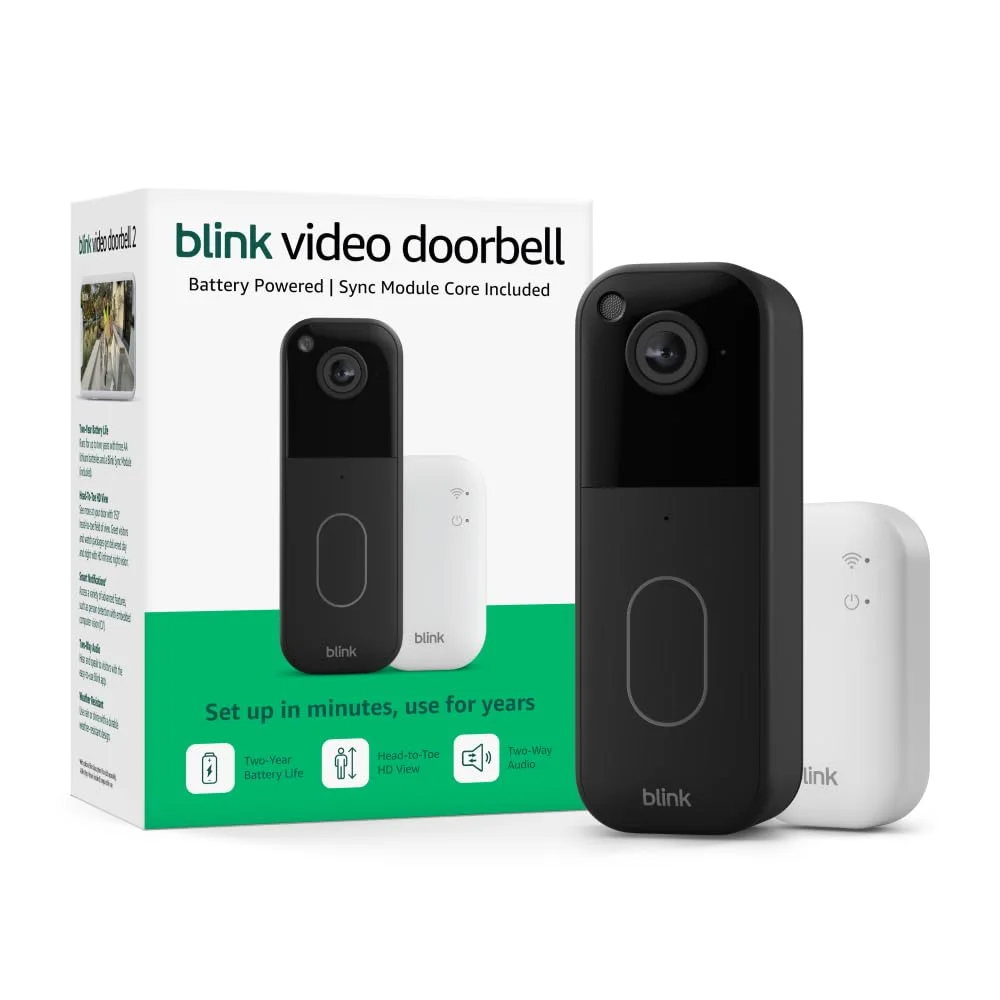
The included Sync Module ensures consistent, long-range connectivity.
Complete Visibility with Head-to-Toe HD
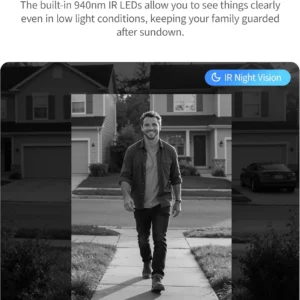
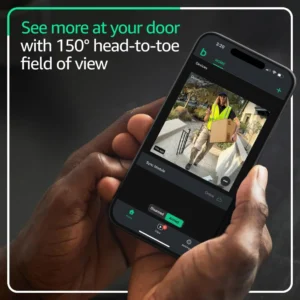
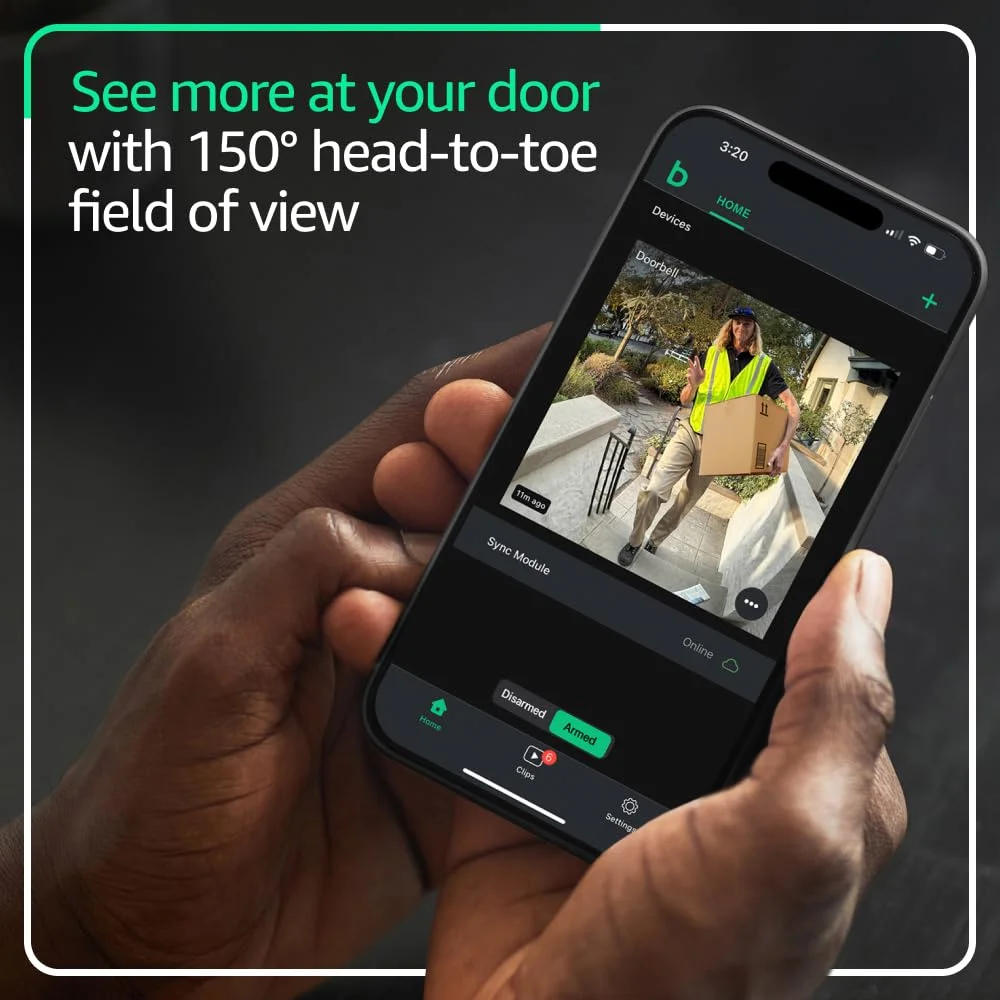
Don’t settle for limited camera angles. The Blink Video Doorbell features an expanded field of view, allowing you to see packages on the ground and visitors at your door with equal clarity. With integrated infrared night vision, your surveillance doesn’t stop when the sun goes down, providing consistent security 24/7.
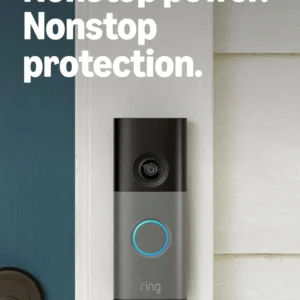
Capture every delivery and visitor with wide-angle HD clarity.
Flexible Installation for Any Home
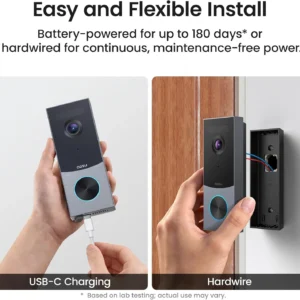
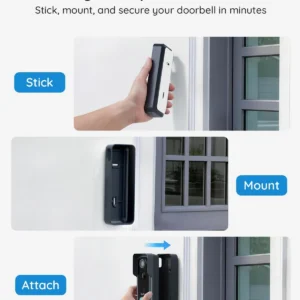
Whether you rent or own, installation is a breeze. Choose a completely wire-free setup for a quick, five-minute installation, or connect it to your existing doorbell wiring to sound your internal chime. If you prefer a wireless chime, you can easily sync the doorbell with a Blink Mini 2 camera (sold separately) for an audible alert anywhere in your home.
Simple wire-free setup options included in the box.
Smart Features and Alexa Integration
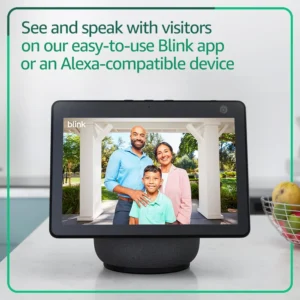
Take control of your home security via the Blink app. With two-way talk, you can greet visitors or instruct delivery drivers from anywhere in the world. Plus, fully integrate with your smart home ecosystem by linking your device to Alexa, allowing you to answer the door, monitor your stream, or arm/disarm your system using simple voice commands.
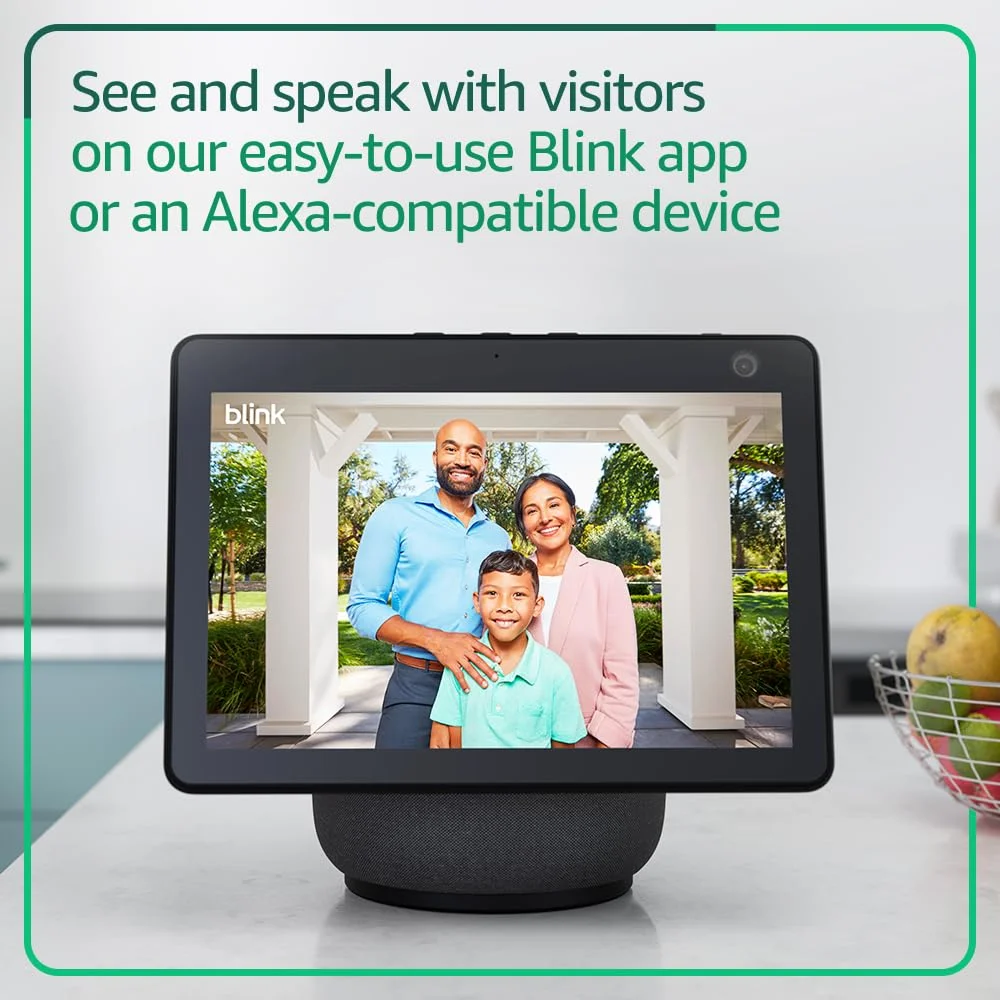
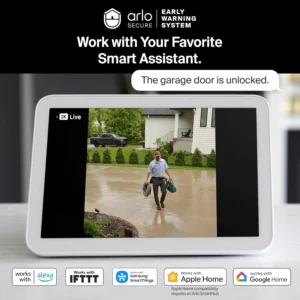
Seamless voice control via Alexa-enabled devices.
Advanced Motion Detection and Storage
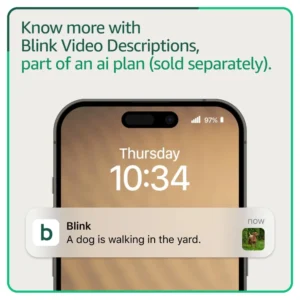
Enhance your protection with a Blink Subscription Plan. Receive real-time alerts the moment motion is detected and utilize “Blink Moments”—a feature that intelligently stitches your clips into one cohesive video for easy sharing. With secure cloud storage, your important footage is always saved and ready for review.
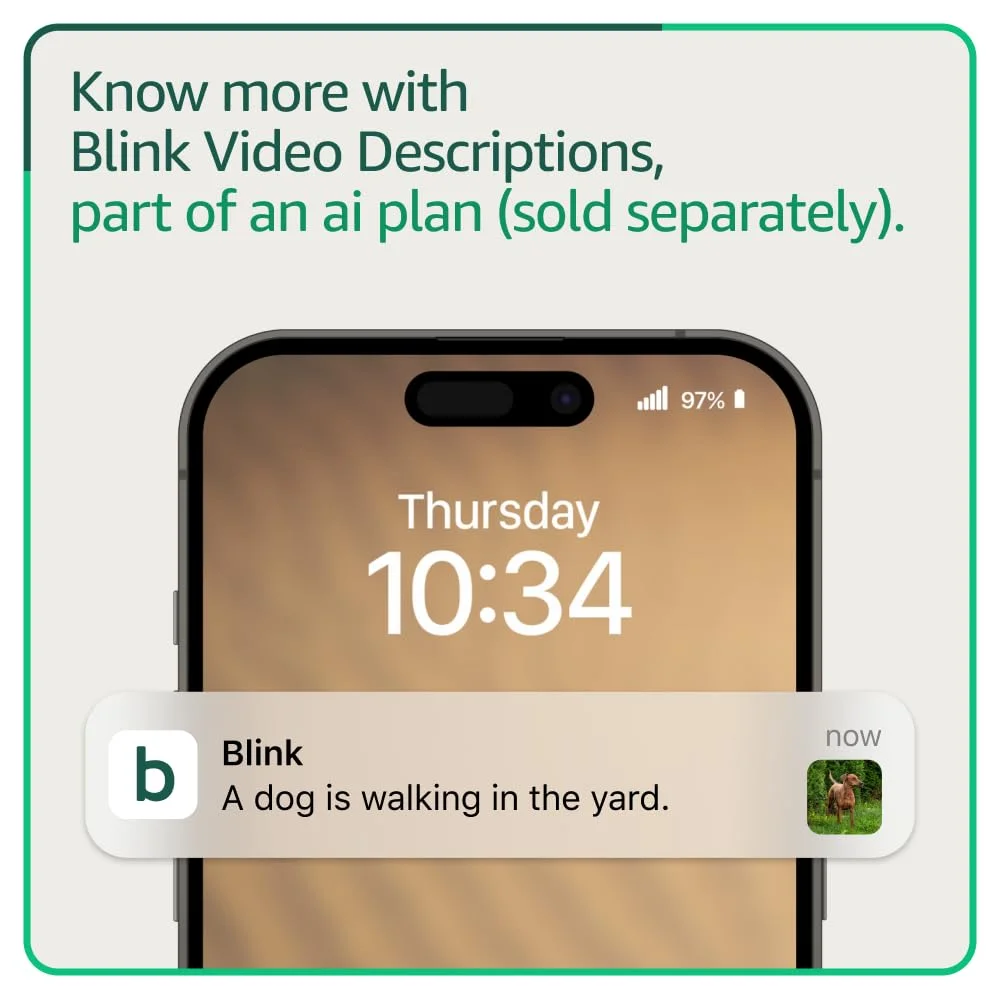
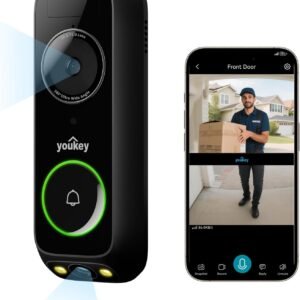
Stay informed with instant motion alerts directly to your smartphone.
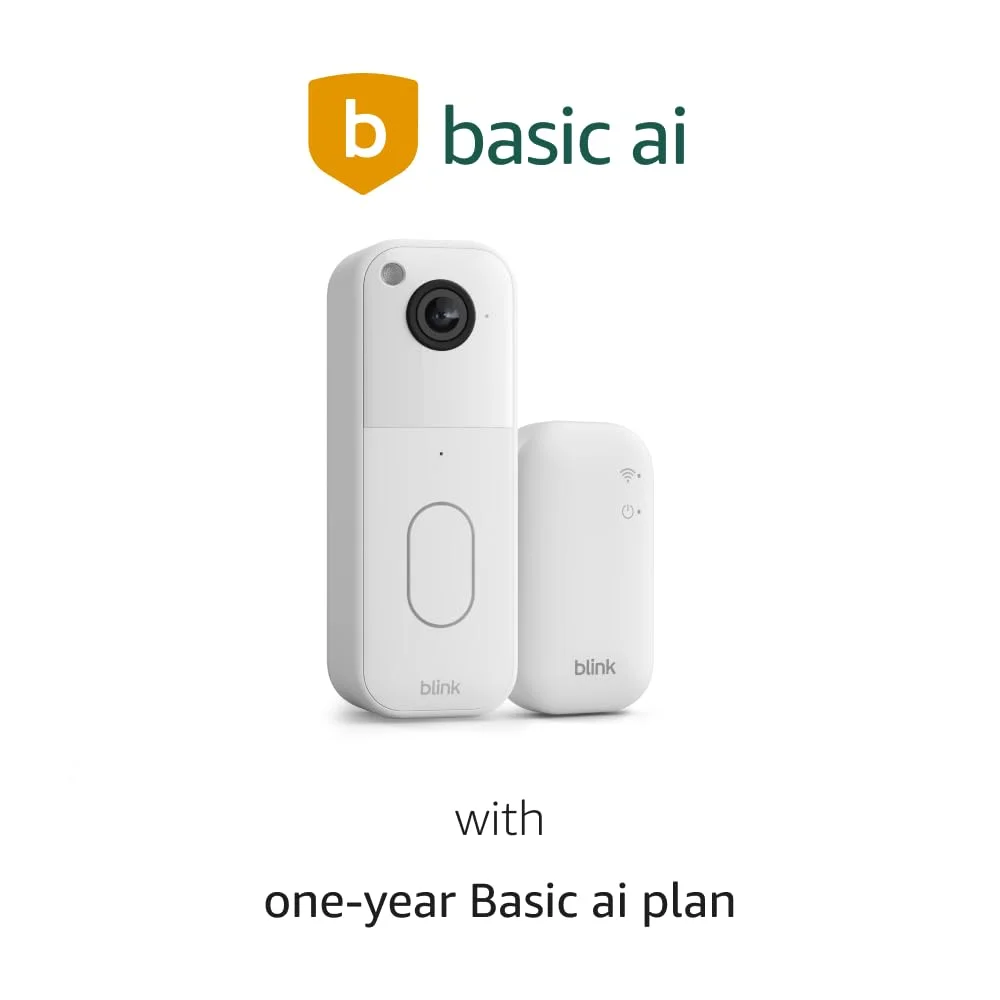
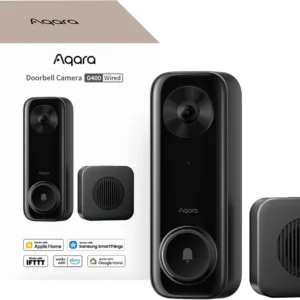
Everything you need to get started is included in the box.