Technical Review & Analysis
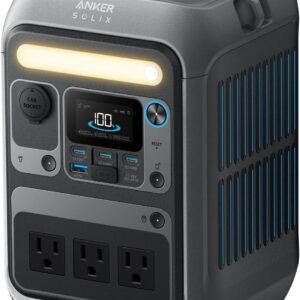
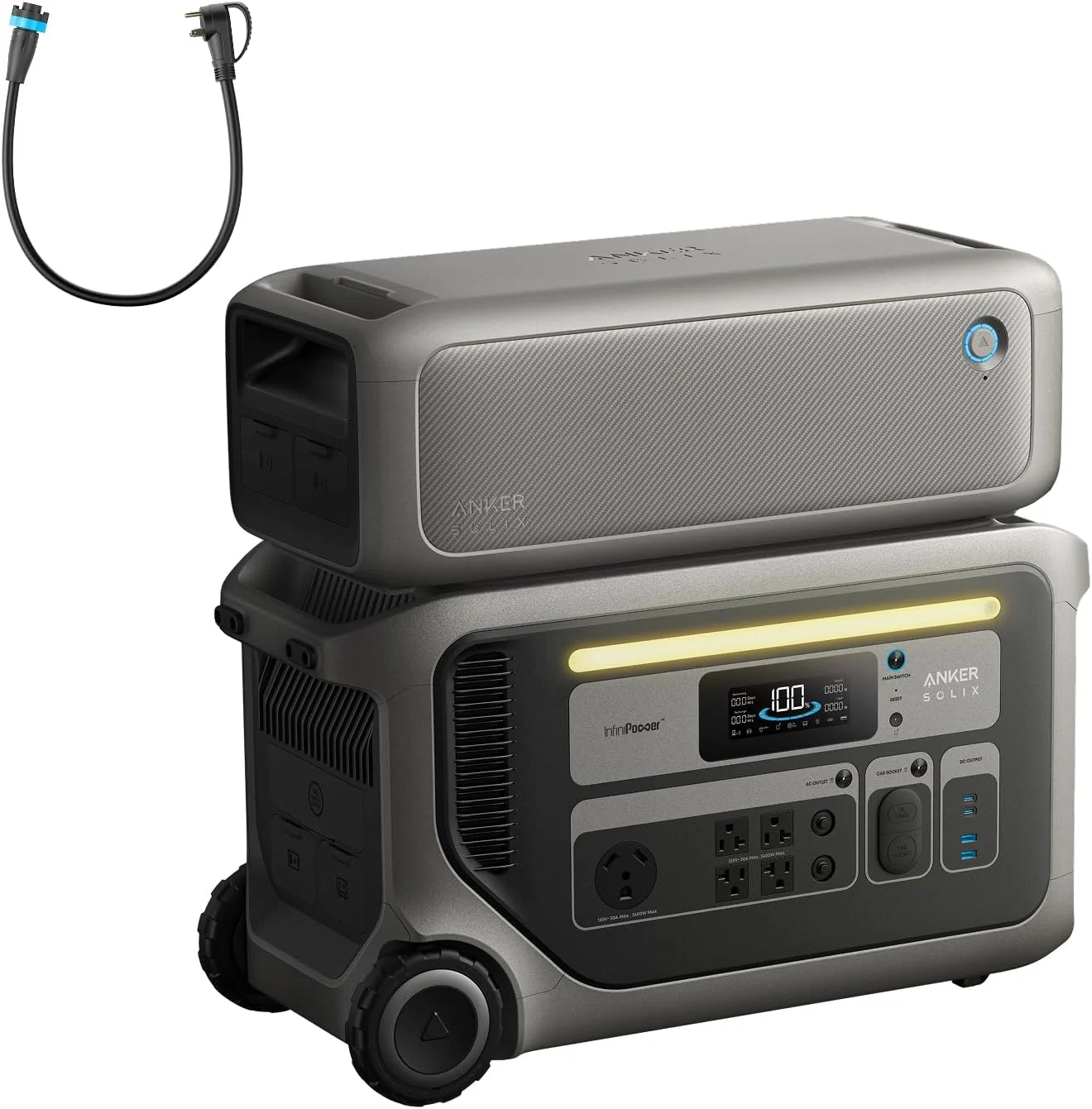
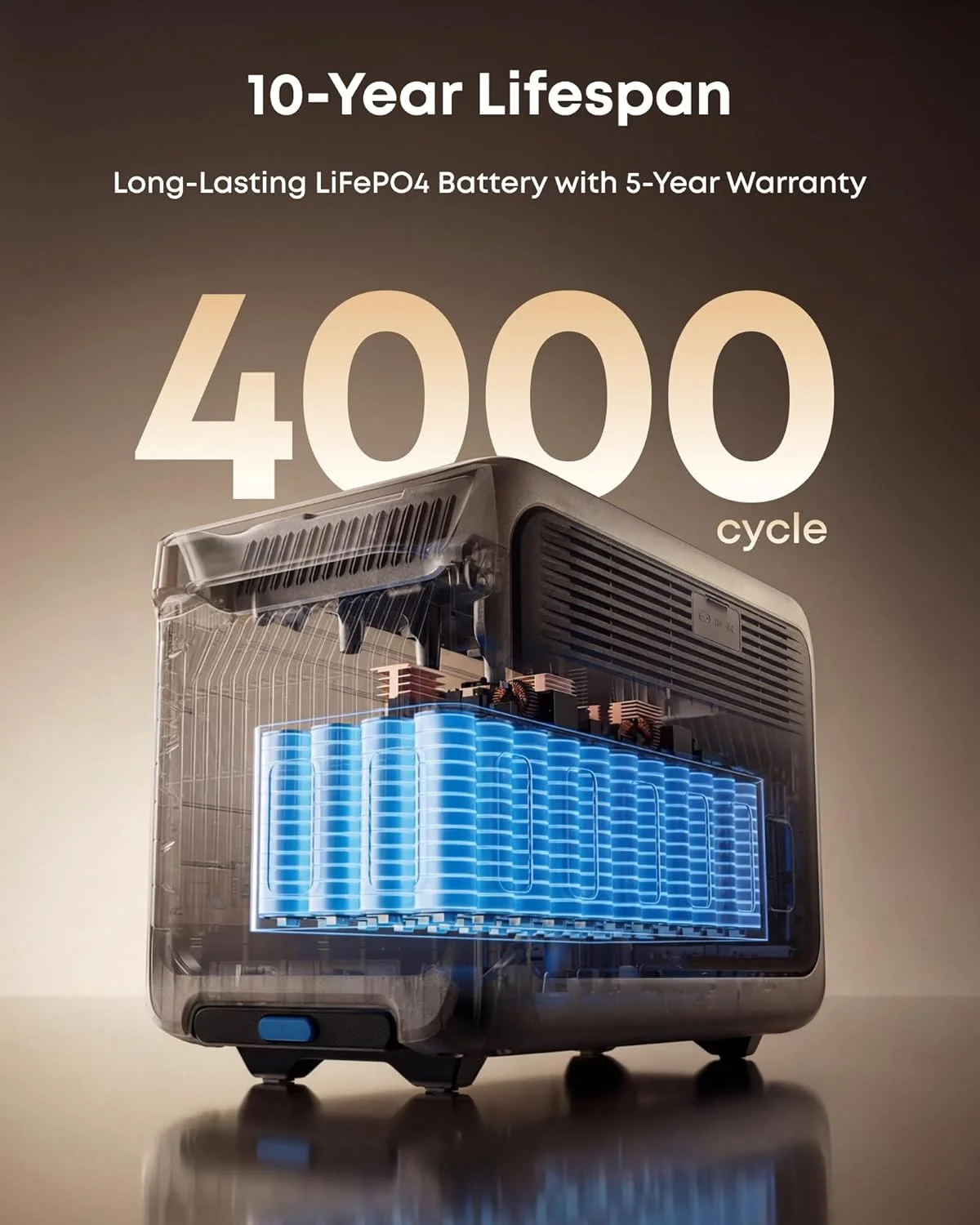
Take control of your energy independence with the Anker SOLIX F3000, the ultimate power solution designed for homeowners, outdoor enthusiasts, and emergency preparedness. Whether you are battling a grid failure, powering an off-grid cabin, or keeping your RV running, this beast of a power station delivers unmatched versatility, reliability, and speed. Featuring a massive 3,072Wh capacity that expands up to 24kWh, the SOLIX F3000 ensures your life continues uninterrupted, no matter the circumstances.
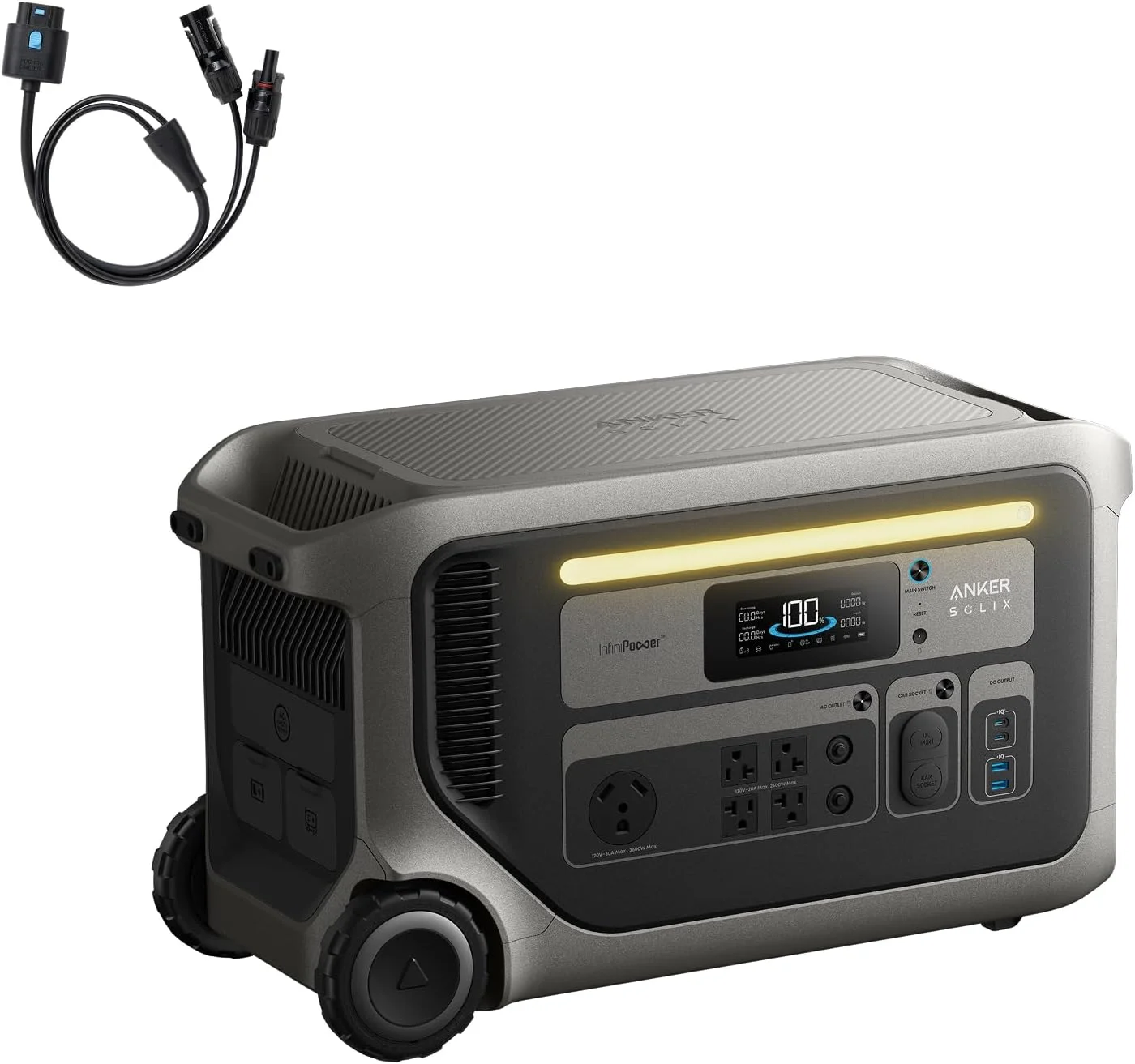
The Anker SOLIX F3000: Unstoppable power for every scenario.
Contents
Unmatched Versatility with 120/240V Output
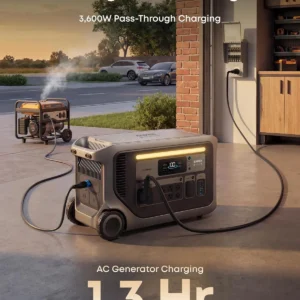
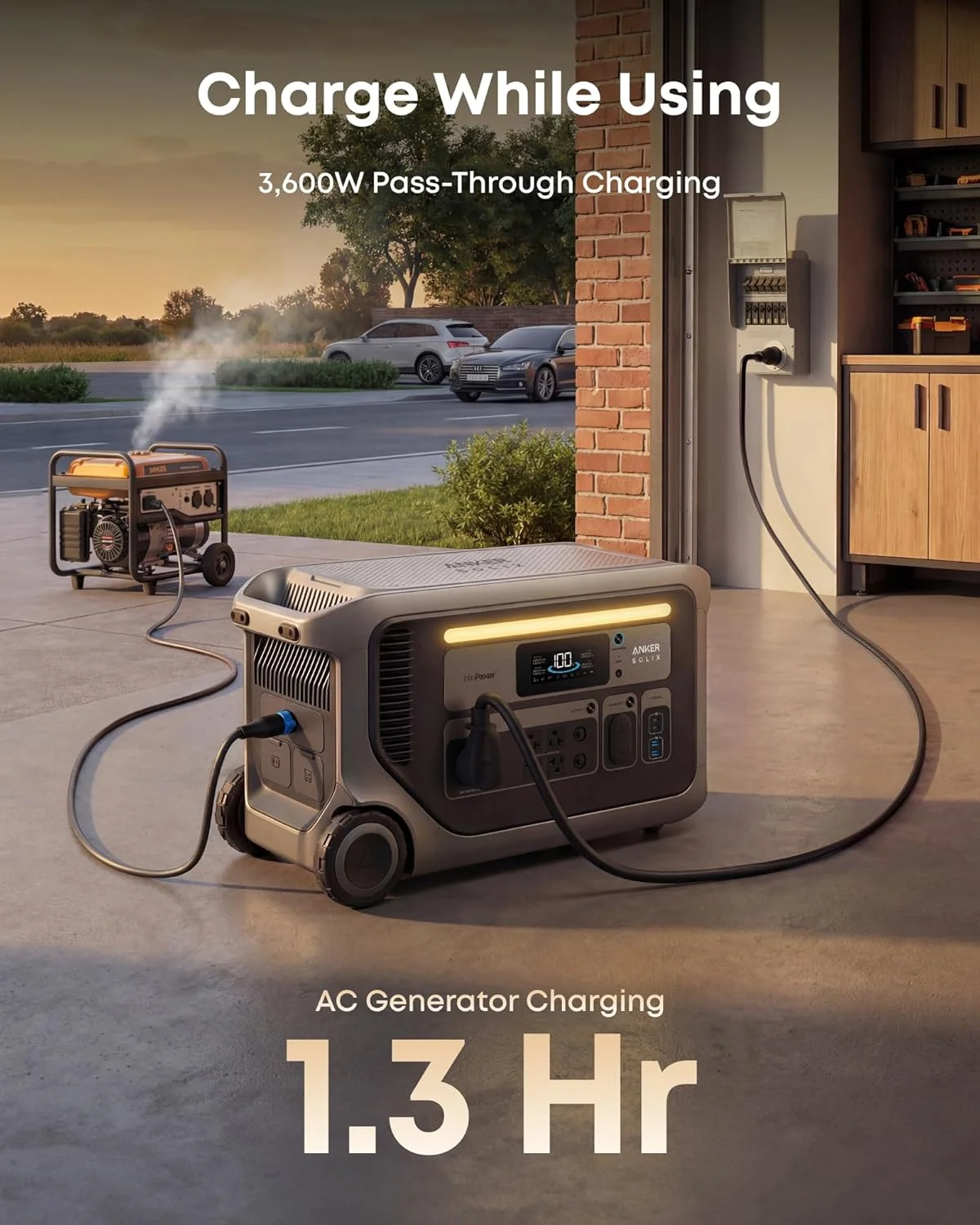
The Anker SOLIX F3000 is engineered for the modern home. Run your essential appliances at 120V, or link two units together to achieve 240V, allowing you to power even the most demanding high-voltage devices during an outage. With 3,600W of pass-through charging, you can run your critical home systems directly from the grid while maintaining a full reserve for emergencies.
Power high-demand appliances with dual-unit 240V bridging.
Lightning-Fast Charging for Critical Moments
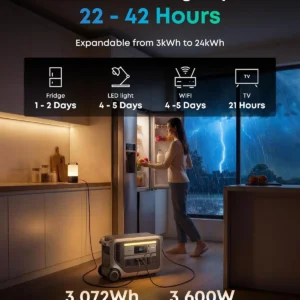
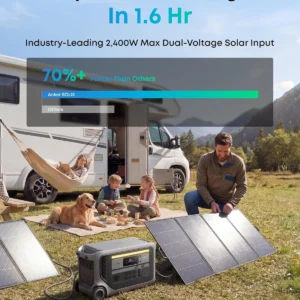
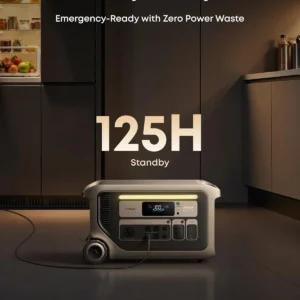
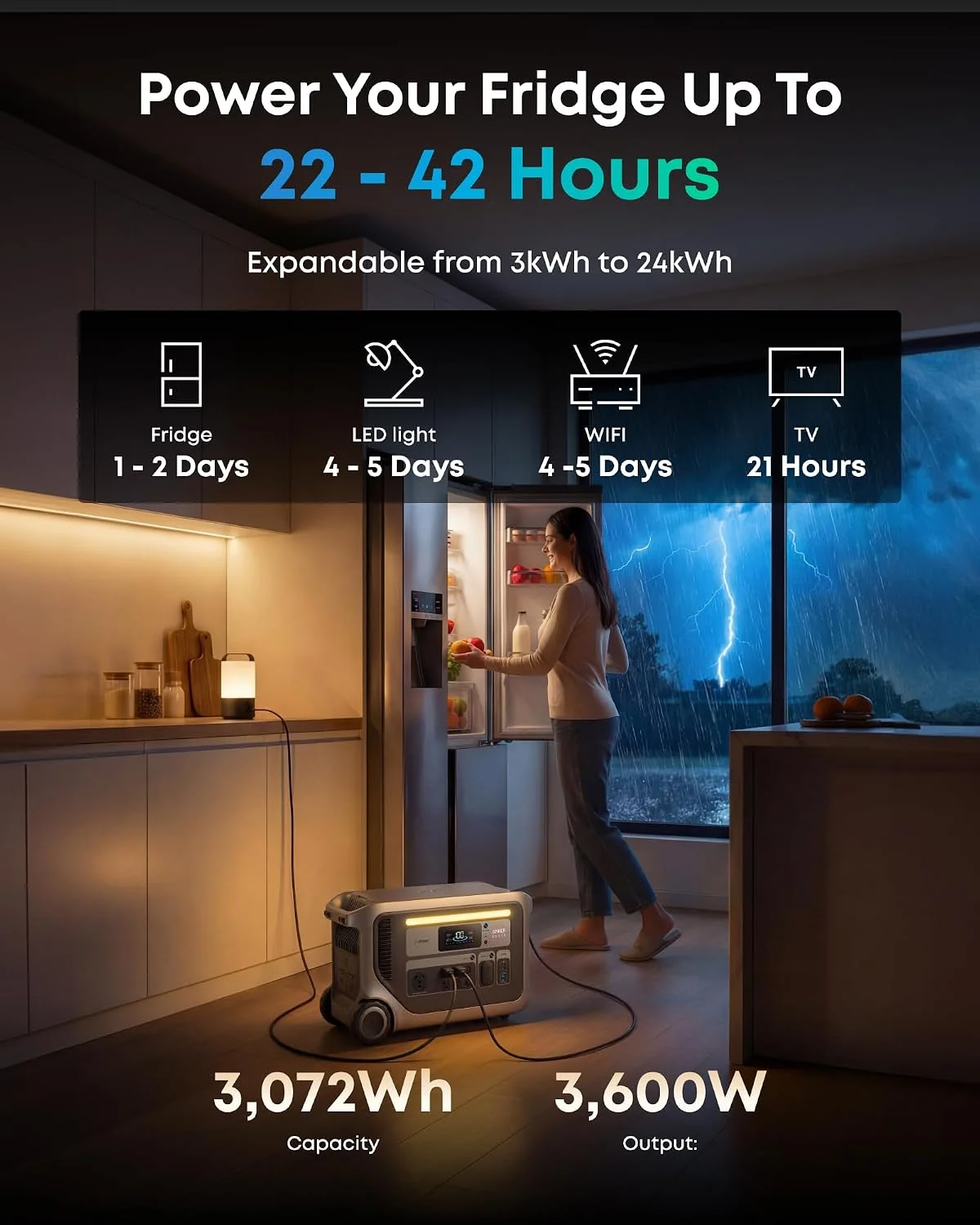
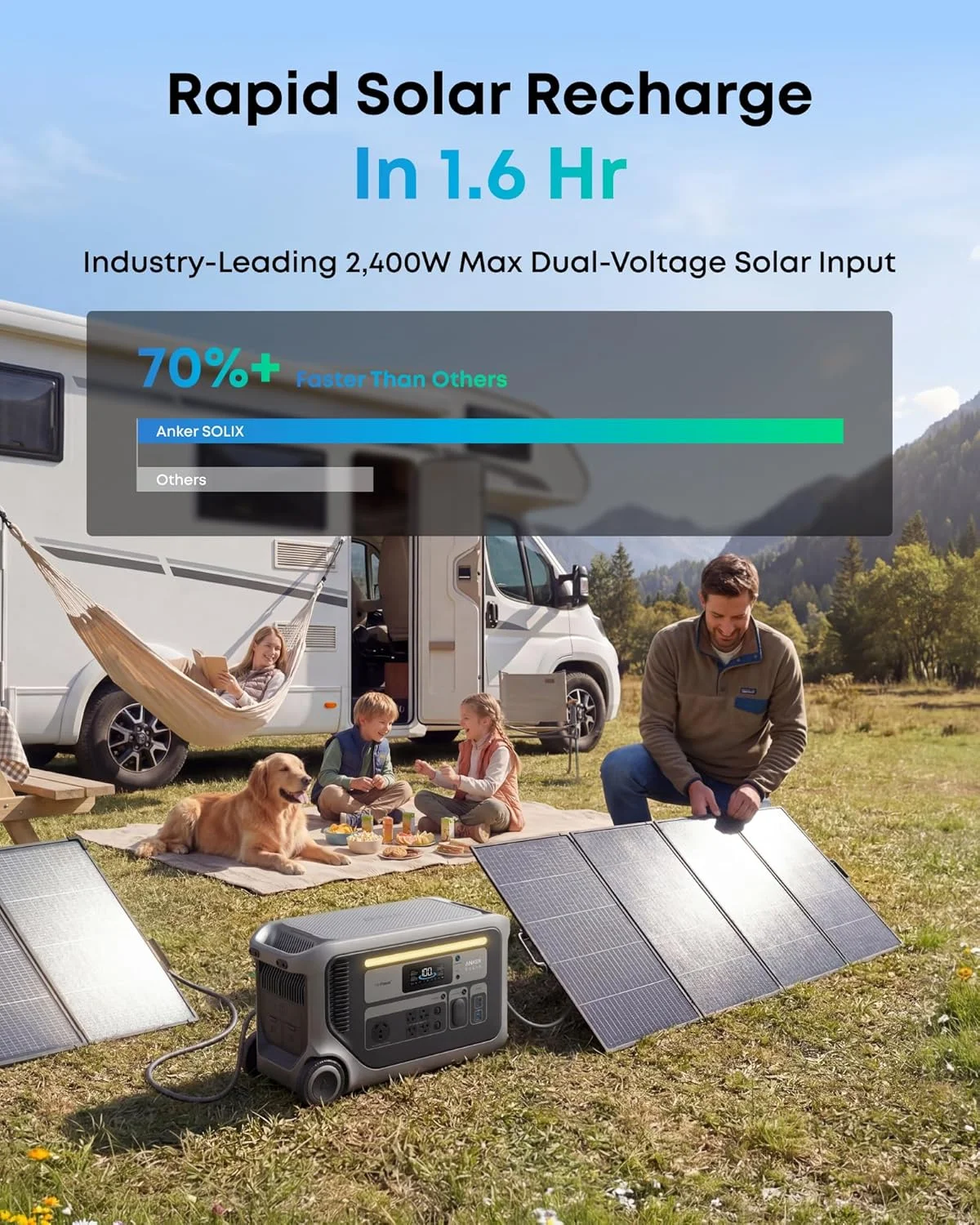
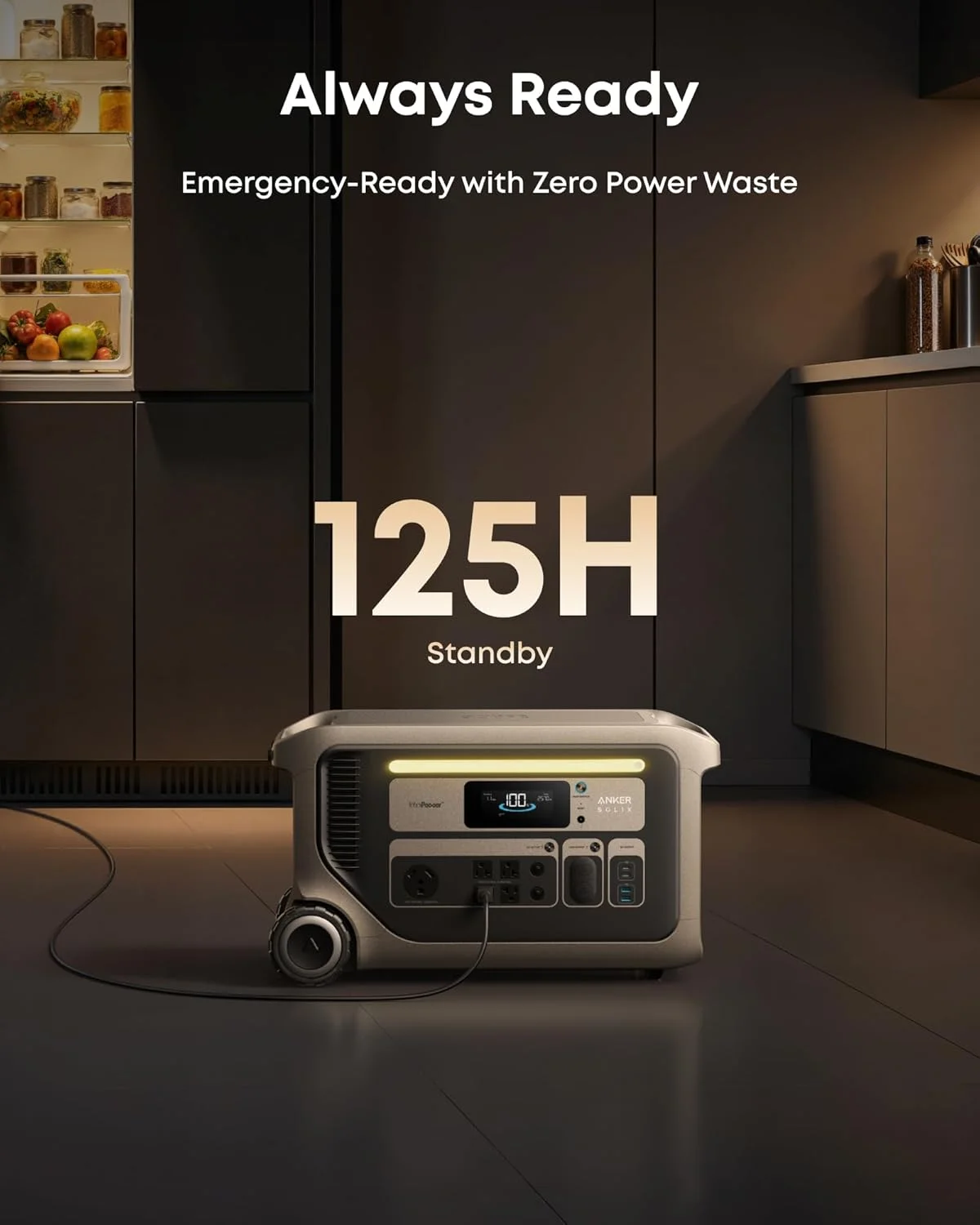
In an emergency, time is energy. The F3000 leads the industry with a staggering 6,000W combined input capacity. By utilizing a hybrid approach of solar power and traditional fuel generators, you can recharge your system at record-breaking speeds. Plus, with ultra-low idle consumption, you get maximum efficiency, keeping a fridge running for 42 hours or maintaining power for over 125 hours of standby time.
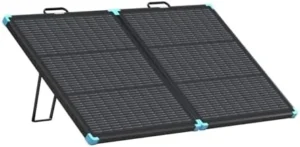
Harness clean energy with 2,400W solar charging capabilities.
Scalable Storage for Long-Term Outages
Start with a robust 3kWh capacity and scale as your needs evolve. The F3000 is fully expandable up to 24kWh, providing up to 80 hours of total protection during long-term power grid failures. This is the ultimate investment for long-term survival, off-grid living, and peace of mind.
Easily expand your energy storage capacity to 24kWh.
Smart Energy Management
Stop paying peak electricity prices. With the optional Bi-Directional Inlet Box and Smart Meter, the Anker SOLIX F3000 automatically stores free solar energy or inexpensive off-peak electricity to power your home when rates are highest. It is not just a generator; it is a smart investment in your home’s energy efficiency.
Manage your energy consumption smarter with integrated technology.
Designed for Every Environment
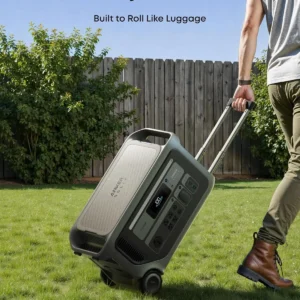
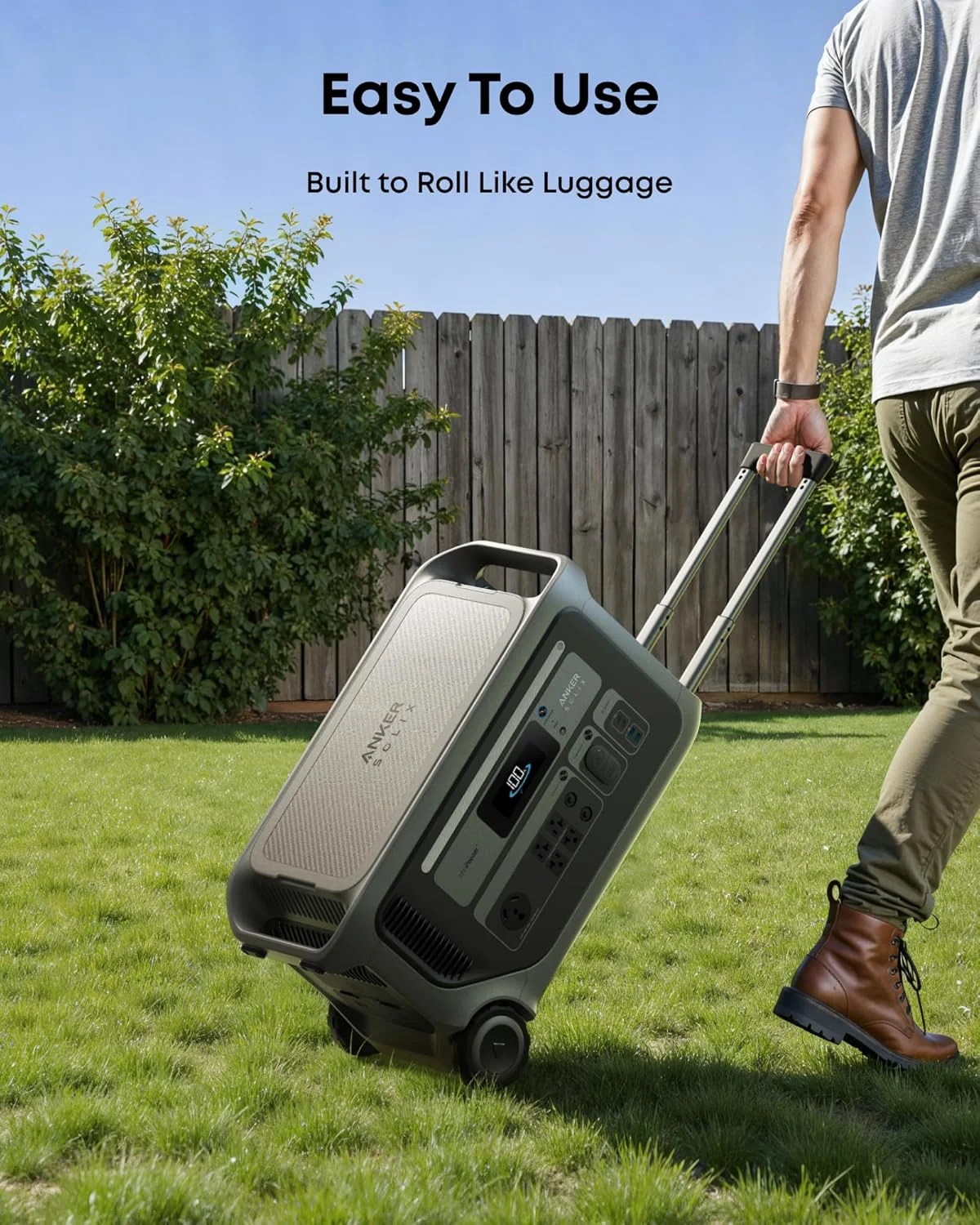
Whether it’s in your basement during a storm, inside an RV on a cross-country trip, or at a remote campsite, the rugged build quality of the Anker SOLIX ensures reliable operation in any condition. Its portable design, combined with professional-grade performance, makes it the gold standard for portable power.
Portable, durable, and ready for your next adventure.
What’s in the box: Everything you need to get started.