

For adventurers who rely on a Continuous Positive Airway Pressure (CPAP) machine, the wilderness doesn’t have to mean sacrificing essential health. Securing a reliable cpap portable power station for camping is not just about convenience; it’s a critical component of your independent tech grid, ensuring uninterrupted therapy and peace of mind miles away from the nearest outlet. Our rigorous testing at TechGridPro.com dives deep into the technical prowess and real-world resilience of the market’s leading contenders, analyzing everything from battery chemistry to power output stability, so your nightly routine remains unwavering, no matter how remote your campsite.
Contents
Untethered Sleep: Our Top-Rated CPAP Power Stations
1. Jackery Explorer 500 v2
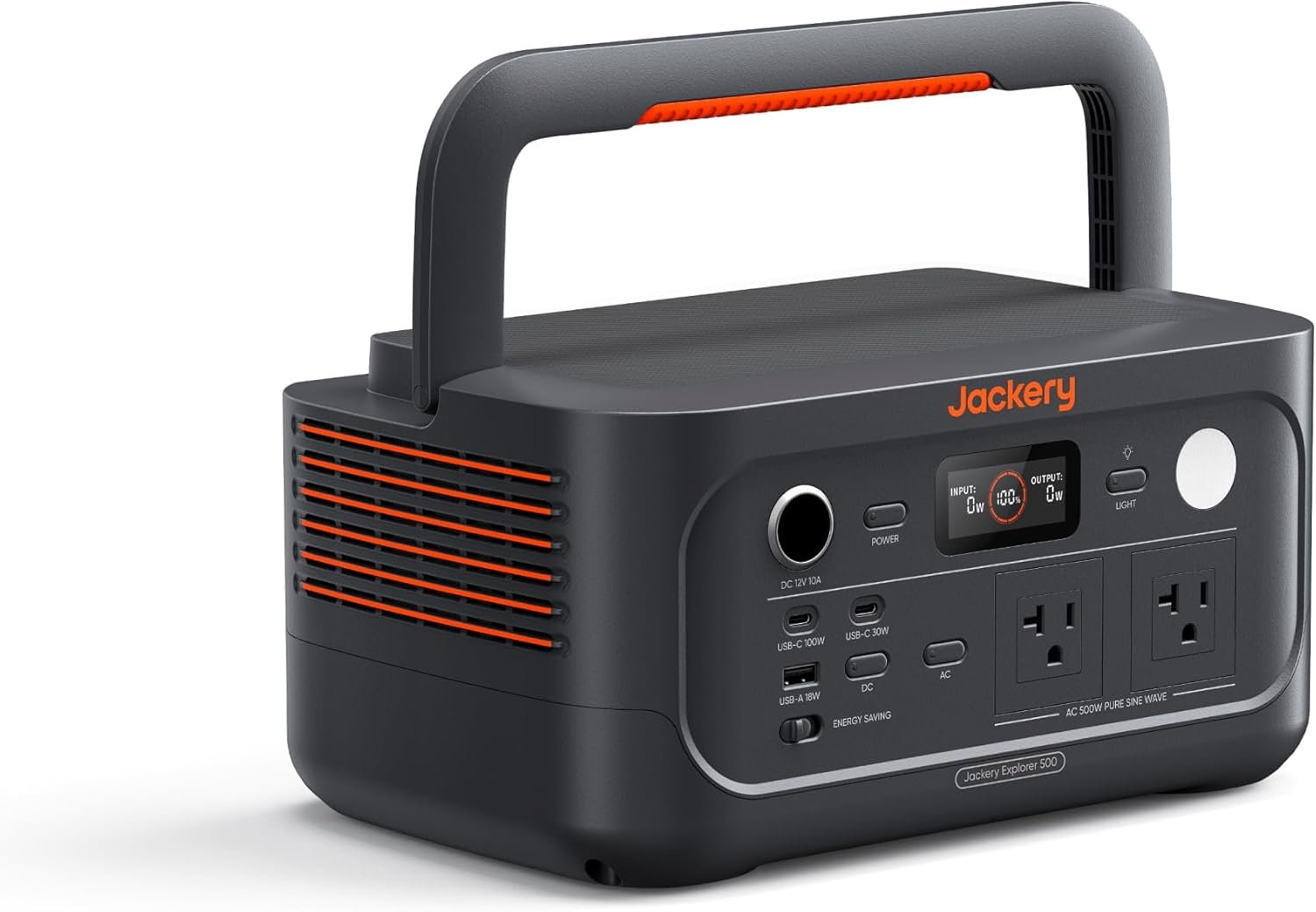
Expert Rating: 4.6/5 Stars | Est. Value: $359.00
In a world increasingly reliant on uninterrupted power, robust off-grid solutions are no longer a luxury but a strategic necessity. The Jackery Explorer 500 v2 aims to provide a reliable energy anchor, ensuring critical systems remain operational during unforeseen grid disruptions. This analysis scrutinizes its technical merits as a cornerstone for true power independence.
Core Specifications
- Energy Capacity: 512Wh LiFePO4 battery ensures substantial reserves for essential electronics. This capacity supports extended operation of devices like laptops, mini-fridges, and communication equipment for hours.
- Power Output: Delivers a stable 500W of continuous pure sine wave AC power, with a critical 1000W surge capability. This surge rating is crucial for safely initiating inductive loads without tripping overcurrent protections.
- Battery Longevity: Utilizes advanced LiFePO4 chemistry, rated for over 6000 charge cycles to 80% original capacity. This translates to a projected operational lifespan exceeding 10 years, significantly outperforming traditional NMC cells.
- Rapid Recharging: Achieves an 0-80% state of charge in approximately 52 minutes via AC input. Multiple charging vectors, including solar, AC wall, and 12V automotive, provide versatile replenishment options.
- Portability Profile: With a dry weight of 14 lbs, this unit stands as one of the lighter contenders in its specific capacity class, enhancing its utility for mobile deployment without compromising structural integrity.
Real-world Reliability
In scenarios demanding immediate power restoration, such as grid blackouts or remote deployments, the Explorer 500 v2’s low self-consumption rate of only 5% over six months of storage ensures readiness. Its robust LiFePO4 chemistry maintains performance across a wider thermal operating range than less stable battery types, providing consistent power delivery even during moderate temperature fluctuations. While direct extreme weather certification is not detailed, the inherent durability of its components and passive cooling design contribute to its resilience in demanding outdoor conditions, making it a dependable emergency power source.
Who is this for?
This unit is engineered for suburban homesteads seeking emergency backup, remote workers, and mobile professionals requiring reliable off-grid power for essential electronics.
The Tech Advantages:
- Superior 512Wh LiFePO4 battery with 6000+ cycle life for exceptional longevity.
- Stable 500W pure sine wave AC output perfectly suited for sensitive CPAP machines.
- Excellent portability at just 14 lbs, ideal for camping and outdoor excursions.
- Rapid 0-80% AC recharging in approximately 52 minutes.
- Low self-consumption rate ensures readiness even after long storage periods.
The Trade-offs:
- 500W AC output may limit concurrent use of multiple high-wattage devices.
- Lacks specific IP rating for water and dust resistance, requiring shelter during inclement weather.
2. BLUETTI Elite 30 V2
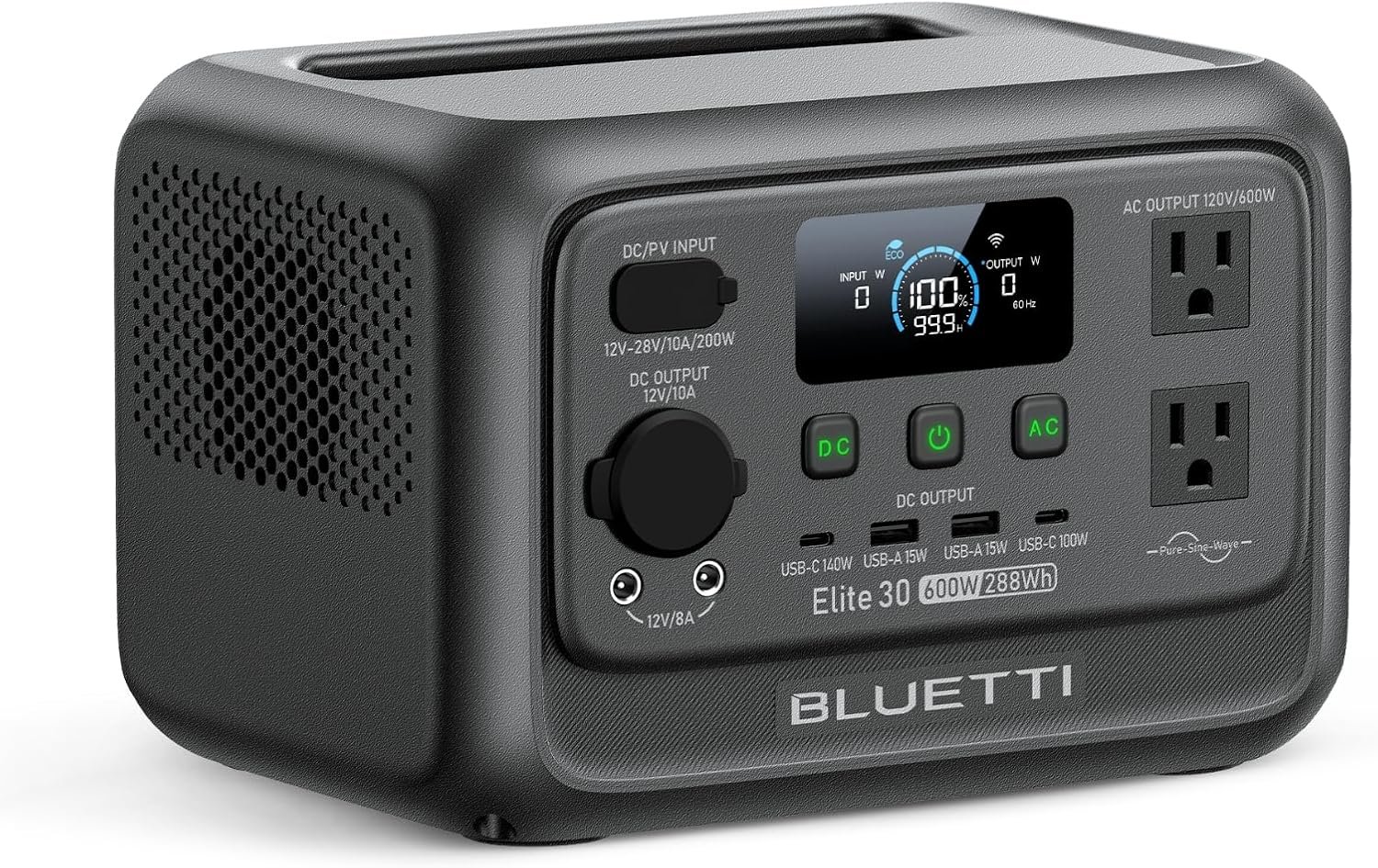
Expert Rating: 4.5/5 Stars | Est. Value: $218.98
This unit offers a critical layer of power independence, safeguarding essential systems during grid instability. Its integrated UPS functionality provides a seamless transition, ensuring critical devices remain operational through unexpected outages.
Core Specifications
- Battery Chemistry & Capacity: Utilizes a 288 Watt-hour (Wh) Lithium Iron Phosphate (LiFePO4) battery, known for its superior cycle life and thermal stability compared to traditional NMC cells. This capacity is sufficient for extended operation of low-draw devices or short-term support for higher-wattage loads.
- Power Output Profile: Delivers a robust 600W continuous pure sine wave AC output. For intermittent, high-demand applications, the Power Lifting Mode can provide up to 1500W surge capability, enabling temporary operation of inductive loads or resistive heating elements.
- Uninterruptible Power Supply (UPS): Features a 10-millisecond (ms) automatic transfer switch. This rapid switchover time is critical for sensitive electronics like network routers, medical equipment (e.g., CPAP machines), and desktop workstations, preventing data loss or operational interruptions during grid fluctuations.
- Charging Architecture: Supports multiple input vectors, including a 380W AC wall charger that achieves 80% charge in approximately 45 minutes and a full charge in 70 minutes. Input power is adjustable (380W/200W) to accommodate different grid conditions or power availability. Solar charging capability ensures renewable energy integration.
- Energy Efficiency: Incorporates UltraCell technology and an intelligent cooling system, reportedly reducing standby power consumption to 4.5W and AC idle consumption to 8W. This optimization extends the usable runtime per charge cycle.
Real-world Reliability
The Elite 30 V2’s LiFePO4 battery chemistry offers inherent stability for diverse environmental conditions, crucial for both home emergency preparedness and remote field operations. Its 10ms UPS functionality actively mitigates power interruptions, preventing system reboots or data corruption during typical US grid anomalies or severe weather events like winter storms. The enhanced cooling and efficiency metrics suggest sustained performance under load, critical for maintaining operational integrity during prolonged blackouts, especially for essential communication or medical devices.
Who is this for?
This unit is ideal for individuals requiring robust, portable backup power for critical electronics in suburban residences, small home offices, or for essential portable applications during camping and road trips.
The Tech Advantages:
- Robust 600W pure sine wave AC output, suitable for most CPAP models.
- LiFePO4 battery chemistry ensures long lifespan and thermal stability.
- Integrated 10ms UPS functionality protects sensitive electronics from power interruptions.
- Rapid AC charging, reaching 80% in approximately 45 minutes.
- High energy efficiency with low standby power consumption.
The Trade-offs:
- Lower 288Wh capacity compared to larger units, potentially limiting extended multi-day CPAP use without recharging.
- UPS feature, while advanced, may be less critical for pure camping CPAP scenarios.
3. Renogy 266Wh Power Bank
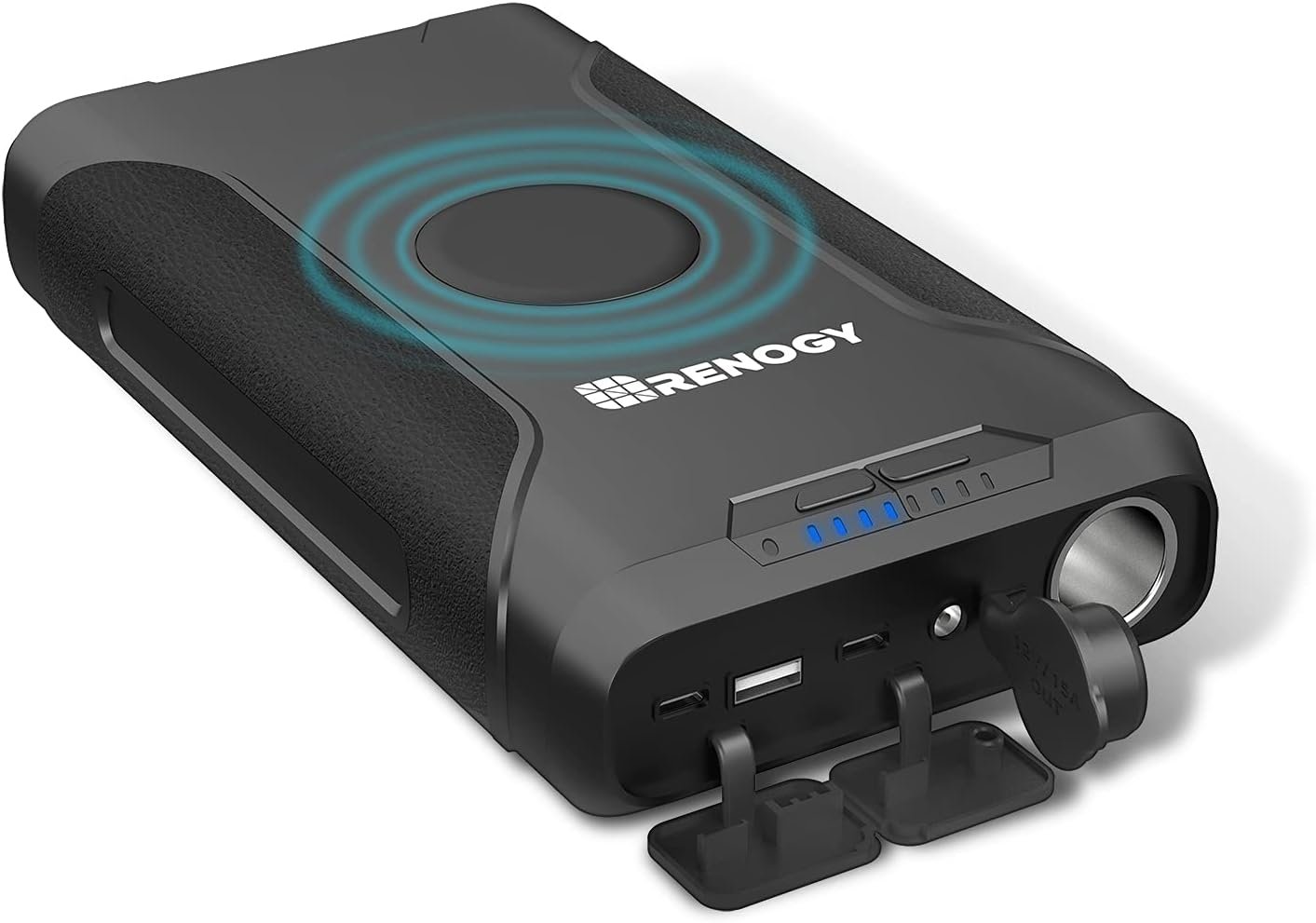
Expert Rating: 4.3/5 Stars | Est. Value: $159.99
In an era where smart home reliability is paramount, ensuring continuous power to critical infrastructure is non-negotiable. The Renogy 266Wh Power Bank offers a robust, portable solution to maintain operational continuity for essential low-power devices, from network gateways to medical equipment, during grid interruptions or in off-grid scenarios.
Core Specifications
- Energy Capacity: 266 Watt-hours (Wh) / 72000 mAh. This capacity rating provides a substantial reserve for extended device operation, making it suitable for multiple recharges of smartphones, tablets, and even laptops, adhering to a 90% conversion efficiency.
- USB-C Power Delivery (PD) Outputs: Features two upgraded USB-C PD ports. The primary port delivers up to 60W, ideal for charging modern laptops and demanding portable electronics, while the secondary provides up to 27W for rapid smartphone charging.
- DC Output Port: A dedicated 12V/15A cigarette port, delivering up to 150W, is specifically engineered for direct current devices such as select CPAP machines (Philips DreamStation 1 & 2, ResMed AirSense 10 & 11) and the Starlink Mini. Crucially, it lacks an integrated AC inverter, necessitating a DC adapter (not included) for CPAP functionality and optimizing runtime by disabling heaters/humidifiers.
- Wireless Charging: Integrates a 10W Qi-compatible wireless charging pad for smartphone convenience. Note that this feature is not optimized for very low-power devices like smartwatches or earbuds.
- Recharge Protocol: Supports rapid input via a 2-way DC port from a solar panel (3-4 hours) or via the primary 2-way USB-C (1) port (5-6 hours). Simultaneous charging via both input ports is not supported, a critical operational constraint.
- Portability Constraint: Due to its 266Wh capacity, this unit is strictly prohibited for air travel, both in carry-on and checked luggage, aligning with IATA regulations for lithium-ion batteries exceeding 100Wh.
Real-world Reliability
This power bank provides a critical layer of power redundancy for smart homes, particularly during grid failures. Its DC output can sustain a Starlink Mini terminal for extended periods, maintaining crucial internet connectivity for smart home systems dependent on cloud services. For medical device users, specifically CPAP machines, it offers reliable backup power, mitigating health risks during unexpected blackouts. Its robust capacity ensures that essential low-power network infrastructure, like Wi-Fi routers and security camera hubs, remains operational, preventing service interruptions during adverse weather or utility outages.
Who is this for?
This unit is ideal for users requiring robust portable DC power for critical off-grid devices, emergency preparedness kits, or enhancing smart home resilience during power outages.
The Tech Advantages:
- Dedicated 12V/15A DC output port optimized for efficient CPAP operation (with DC adapter).
- Highly portable and compact design, ideal for backpackers and minimalists.
- Versatile USB-C PD outputs (up to 60W) for charging laptops and other devices.
- Wireless charging convenience for compatible smartphones.
- Solar charging capability for off-grid replenishment.
The Trade-offs:
- Lacks an integrated AC inverter, requiring a separate DC adapter for most CPAP machines.
- 266Wh capacity is on the lower end for multi-night CPAP use, especially with humidifier.
- Prohibited for air travel due to capacity, limiting its utility for fly-in camping trips.
- Does not support simultaneous input charging.
4. Anker SOLIX C1000
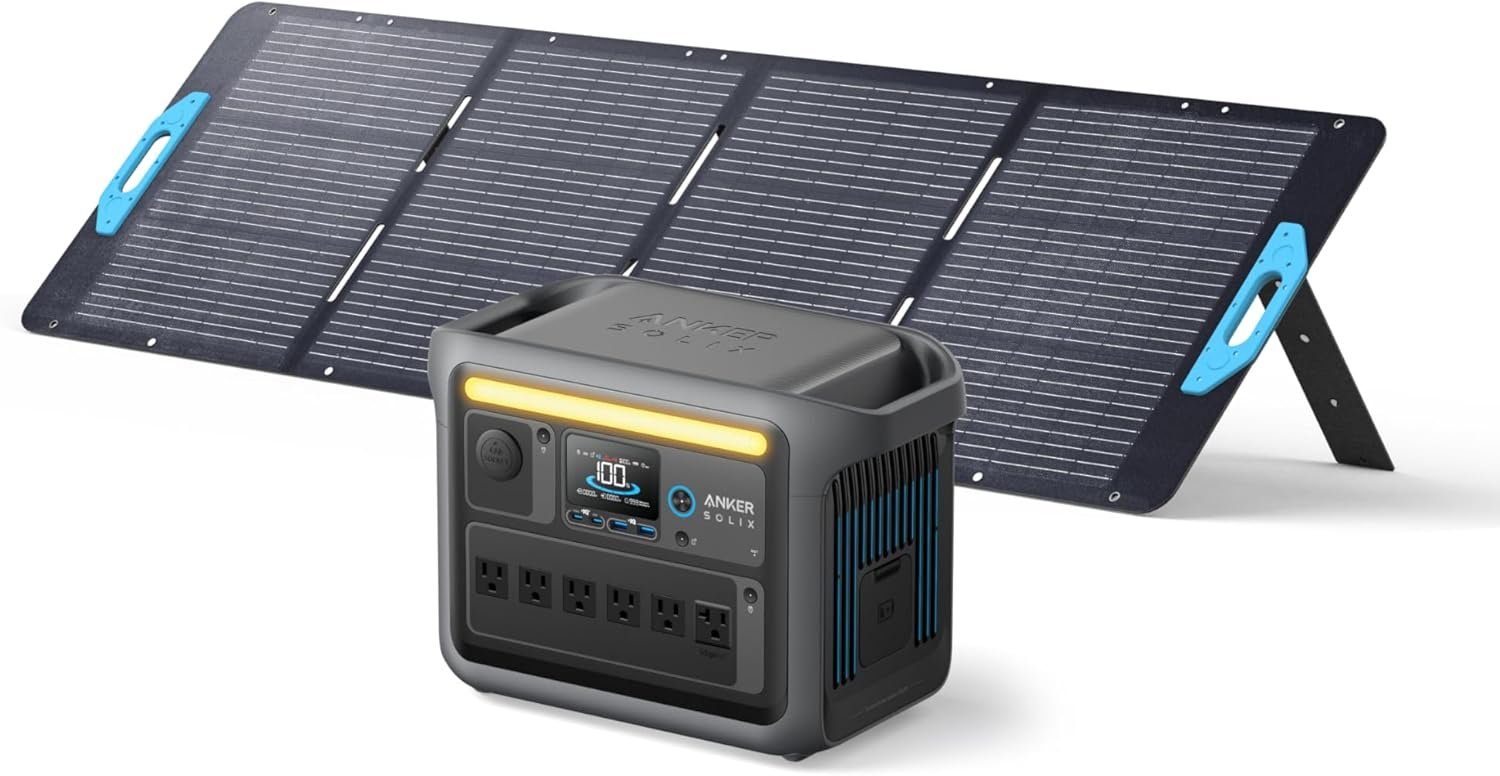
Expert Rating: 4.5/5 Stars | Est. Value: $639.98
This unit addresses critical gaps in smart home resilience, providing a robust, independent power source essential for maintaining vital systems during grid interruptions. Its rapid deployment and high-efficiency energy capture offer a significant advantage for securing continuous operation of essential home electronics or off-grid communications.
Core Specifications
- Battery Capacity and Chemistry: The Anker SOLIX C1000 is equipped with a 1056Wh LiFePO4 (LFP) battery, known for its superior thermal stability, extended cycle life, and inherent safety compared to traditional lithium-ion chemistries. This translates to an impressive 3,000 charge cycles to 80% capacity, projecting a decade of reliable service.
- Power Output: Delivering 1800W of continuous AC output and leveraging SurgePad technology for up to 2400W peak surge, this station can power a vast majority of common household appliances, crucial for maintaining functionality during outages. It features 6 AC outlets among its 11 total output ports, ensuring ample connectivity.
- Recharge Protocol: UltraFast AC recharging achieves 80% capacity in a mere 43 minutes, reaching 100% in 58 minutes. This rapid replenishment capability, controllable via a smartphone application, significantly reduces downtime between critical power demands.
- Solar Input Efficiency: The included 200W monocrystalline solar panel boasts a 23% conversion efficiency, notably higher than many market alternatives, maximizing energy harvest even under suboptimal sunlight conditions. Its IP67 rating ensures durability against water and dust ingress, while adjustable angles (30°, 40°, 50°, 80°) optimize solar irradiance capture.
Real-world Reliability
In scenarios of grid instability, the Anker SOLIX C1000, paired with its robust solar input, offers sustained power independence. Its rapid charging mitigates the impact of intermittent utility service, while the LFP battery’s thermal resilience ensures consistent performance across varying ambient temperatures. The IP67-rated solar panel maintains energy generation even through severe weather events like heavy rain or dust storms, enhancing system uptime. However, it’s critical to note the main power station itself is not weatherproof and requires sheltered operation.
Who is this for?
This system is ideal for suburban homesteads, emergency preparedness kits, or mobile command centers requiring reliable, rapid-deployable power with significant solar recharging capabilities.
The Tech Advantages:
- Massive 1056Wh LiFePO4 battery capacity for extended multi-day CPAP use and other devices.
- Exceptional 1800W continuous AC output (2400W peak) handles virtually any CPAP with humidifier.
- UltraFast AC recharging to 80% in just 43 minutes.
- Robust ecosystem with high-efficiency, IP67-rated solar panels (sold separately or bundled).
- Long-term durability with 3,000 charge cycles to 80%.
The Trade-offs:
- Its large capacity and power output translate to higher weight and size, making it less portable for deep wilderness camping.
- The main power station itself is not weatherproof and requires protection from the elements.
- Higher price point, potentially an overinvestment if only needed for basic CPAP functionality.
Summary Verdict: Spec Comparison
| Image | Product | Rating & Price | Action |
|---|---|---|---|
|
Jackery 500 v2 | 4.6 Stars $359.00 |
View Specs |
|
BLUETTI Elite 30 V2 | 4.5 Stars $218.98 |
View Specs |
|
Renogy 266Wh | 4.3 Stars $159.99 |
View Specs |
|
Anker SOLIX C1000 | 4.5 Stars $639.98 |
View Specs |
Choosing Your CPAP Power Station: Key Technical Factors
Selecting the optimal cpap portable power station for camping requires a nuanced understanding of critical technical specifications beyond mere capacity. Here, we delineate two paramount factors influencing your choice for uninterrupted therapy in the wild.
1. Battery Chemistry and Longevity: The foundational element of any power station is its battery. While traditional lithium-ion (NMC) cells offer high energy density, modern power stations, particularly those ideal for critical applications like CPAP, increasingly utilize Lithium Iron Phosphate (LiFePO4 or LFP) chemistry. LiFePO4 batteries boast significantly longer cycle lives (typically 3,000 to 6,000 cycles to 80% capacity compared to 500-1,000 for NMC), superior thermal stability, and enhanced safety. This translates to a decade or more of reliable service, a crucial consideration for an investment in health-dependent outdoor gear. For camping, the inherent robustness of LiFePO4 chemistry ensures consistent performance across varied ambient temperatures, a common challenge in diverse wilderness environments.
2. Power Output and CPAP Compatibility (Pure Sine Wave Inverters): Your CPAP machine is a sensitive electronic device, and not all portable power is created equal. It is imperative that your chosen power station features a “pure sine wave” AC inverter. Modified sine wave inverters, found in cheaper units, can degrade the performance and potentially damage sensitive electronics, including CPAP motors, leading to buzzing noises, overheating, or premature failure. A pure sine wave output mimics grid power, providing clean, stable electricity essential for your CPAP’s longevity and efficient operation. Furthermore, consider the continuous AC wattage output; while most CPAPs draw 30-60W without a humidifier, enabling the humidifier can push consumption to 80-120W. Ensure the power station’s continuous output comfortably exceeds your CPAP’s maximum draw, with a margin for safety and efficiency.